Fitness
How do fitness trackers estimate calorie burn and how accurate is it
Trackers estimate calories from heart rate, motion, and your stats, but validation studies show errors of 27 to 93 percent. Here is what res
 Monday, October 12, 2026
The latest fitness explainers on Rive News: sourced, human-written guides.
Trackers estimate calories from heart rate, motion, and your stats, but validation studies show errors of 27 to 93 percent. Here is what res
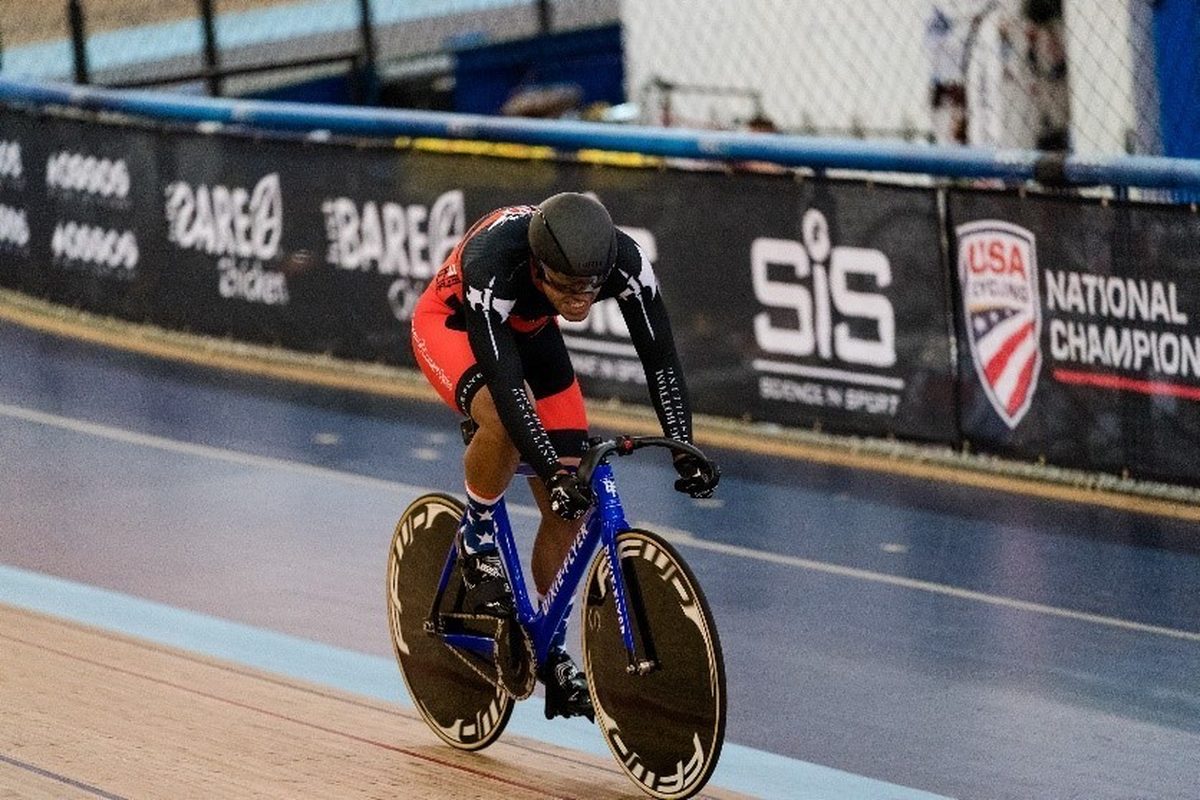
Lactic acid gets blamed for soreness because of a century-old mix-up, yet lactate clears within an hour and even reduces muscle acidity, res
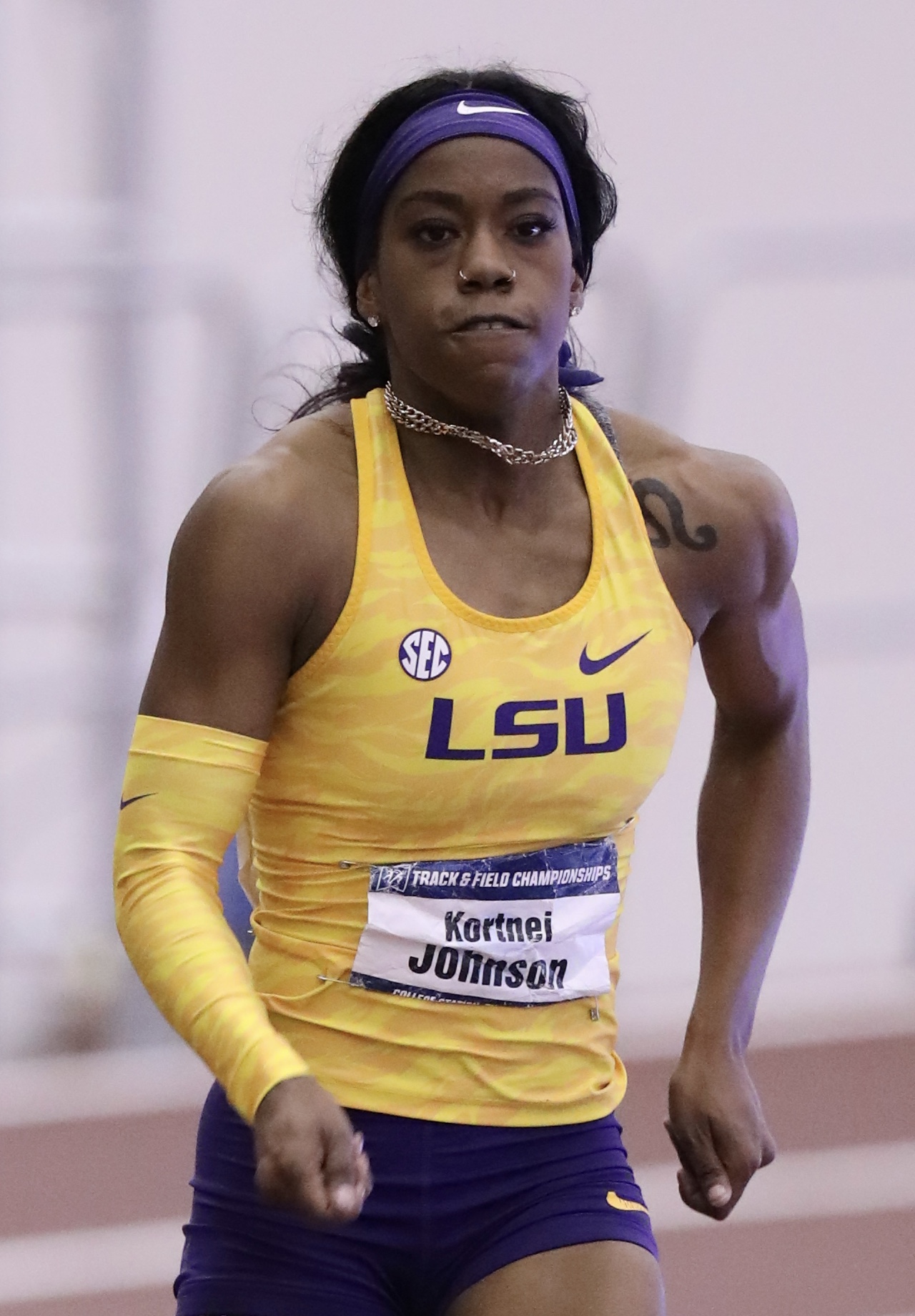
Cardio fitness fades within 2 weeks of no training, with VO2 max down 6 percent at week 4 and 25 percent at week 11, while strength holds 6
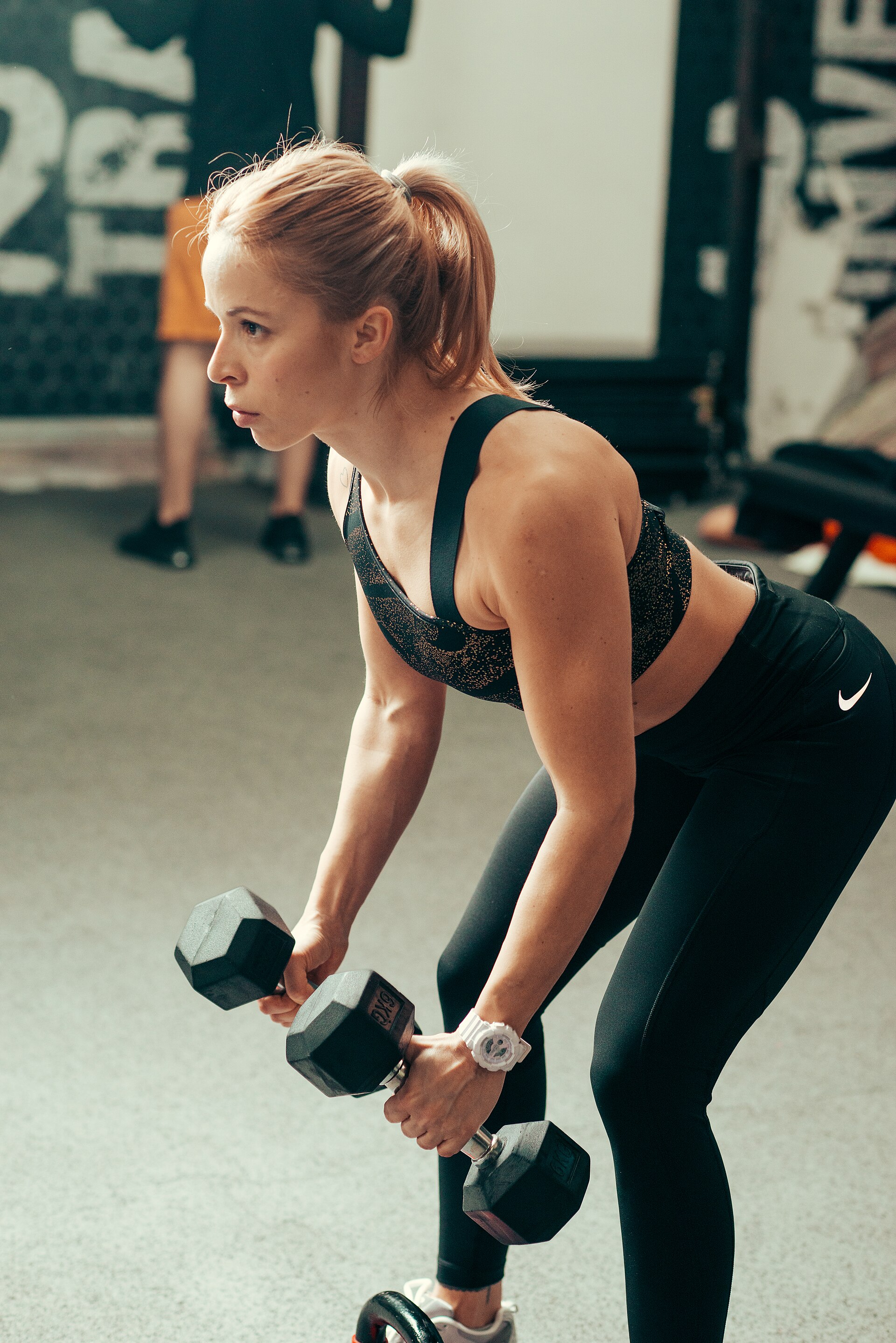
Muscles feel weaker the day after a hard workout because of micro-damage, a 24-hour inflammation peak, and nervous-system fatigue. Here is t
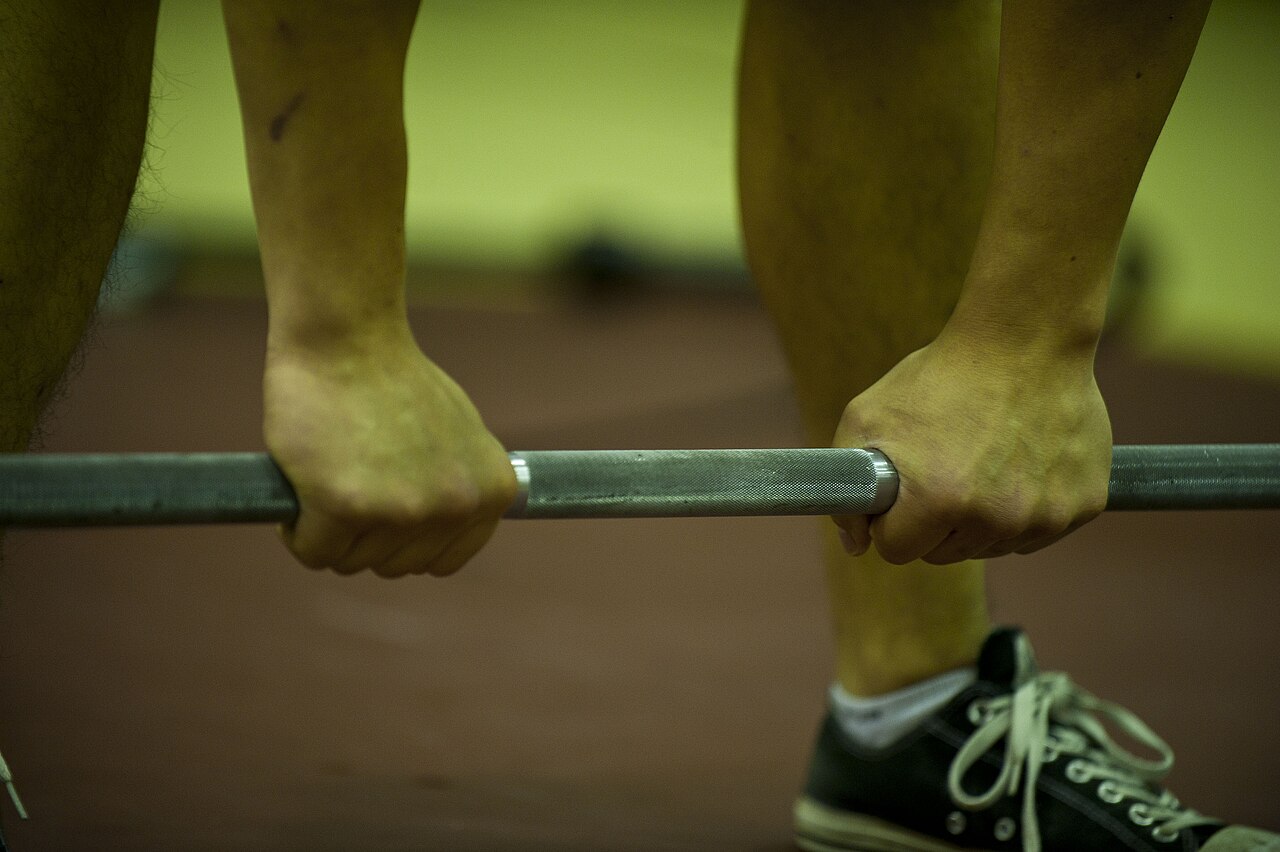
Muscles hurt most two days after a workout because DOMS peaks 24-72 hours later, driven by eccentric microtrauma and the inflammatory repair
The repeated bout effect means a single workout cuts soreness, strength loss, and damage from your next session roughly in half. Here is the

Sleep affects muscle recovery through nightly growth hormone pulses in deep sleep and protein synthesis; one short-sleep week cut testostero
Most beginners need 2 to 3 rest days per week, since muscles need about 48 hours to repair. Why recovery days build more strength than extra
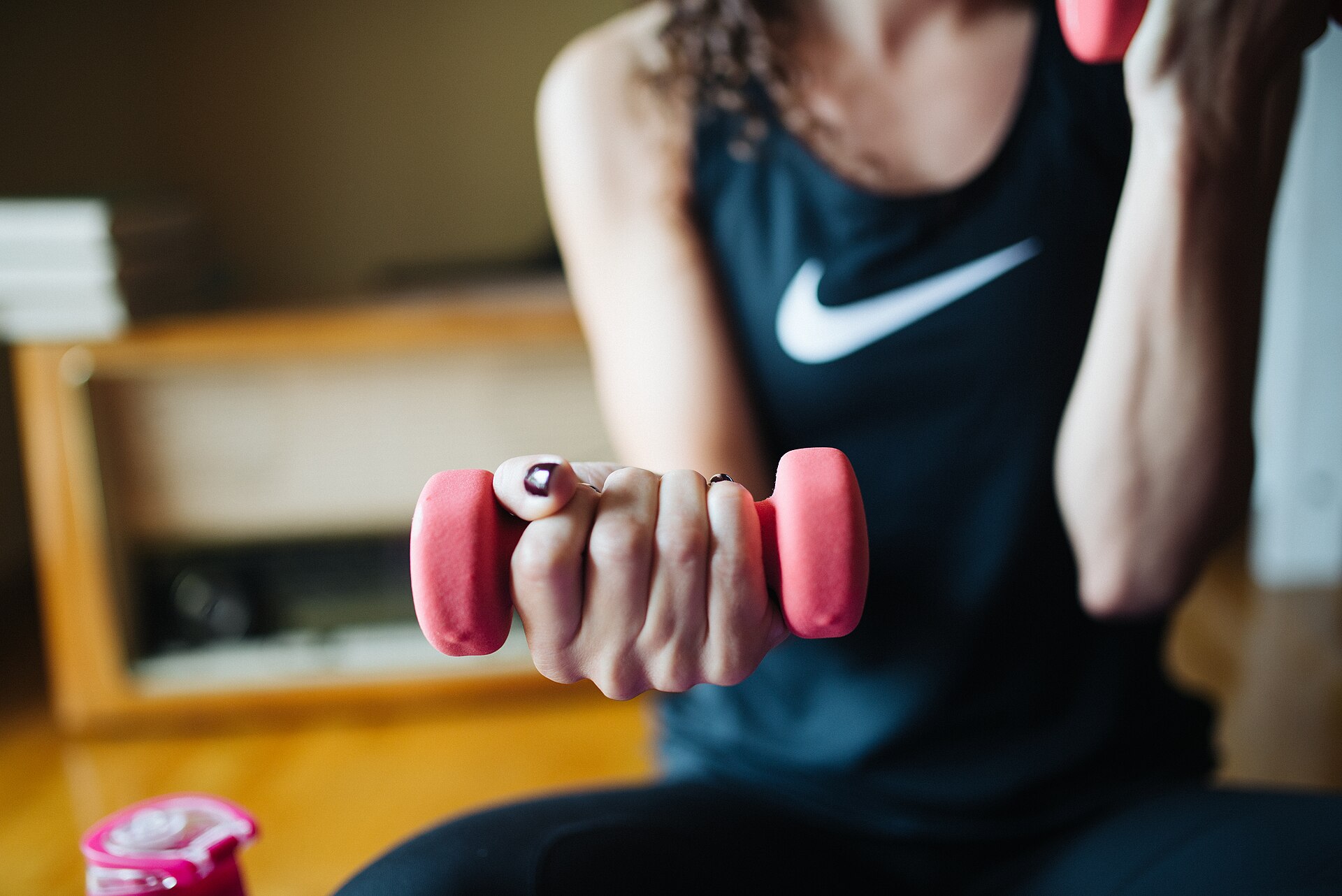
Focusing on the working muscle can raise activation by up to 24 percent, research shows. What the EMG studies found, when it works, and when
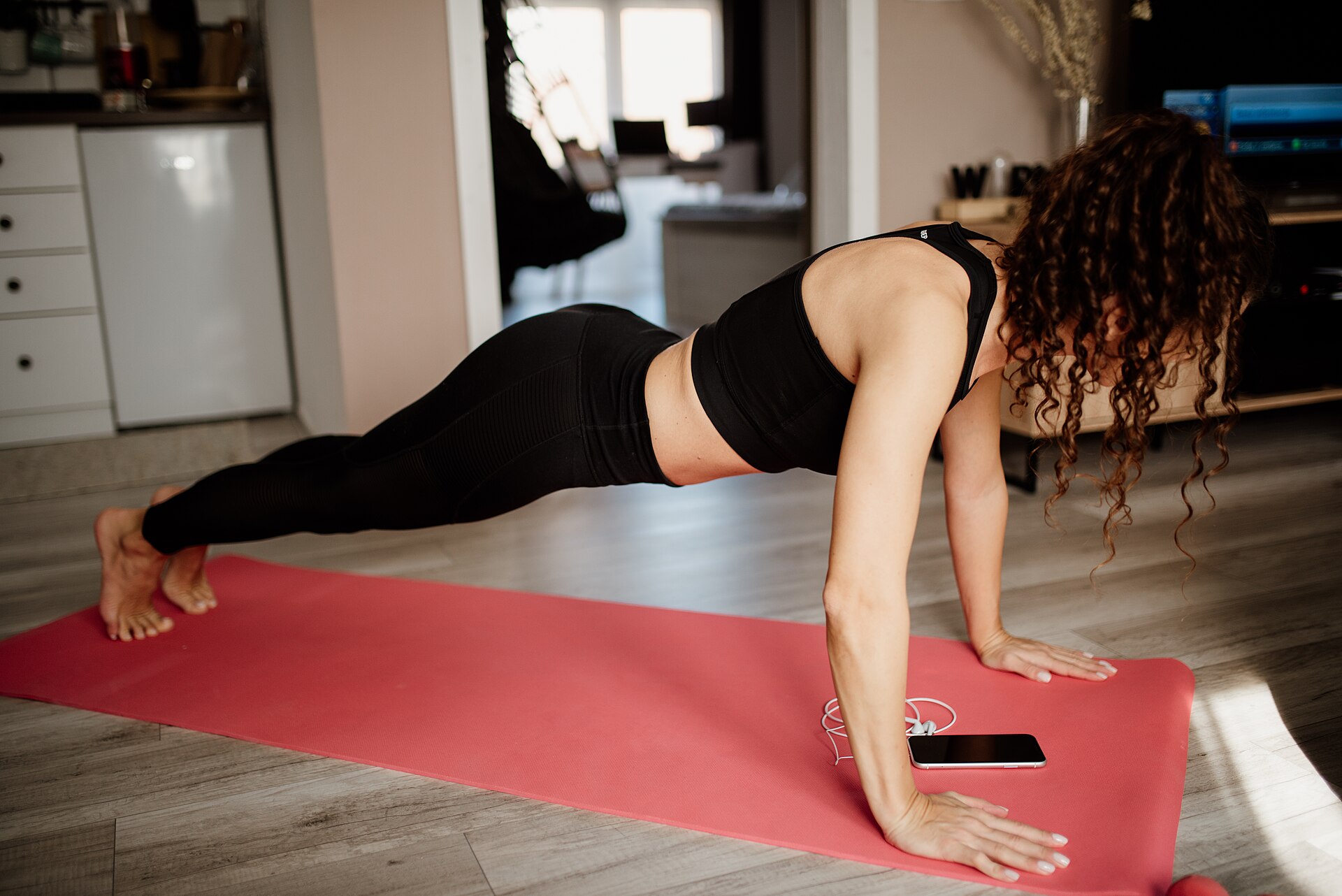
Muscle shaking during workouts usually means fatigued fibers or a new movement, not damage. The 4 main causes, and when shaking means you sh
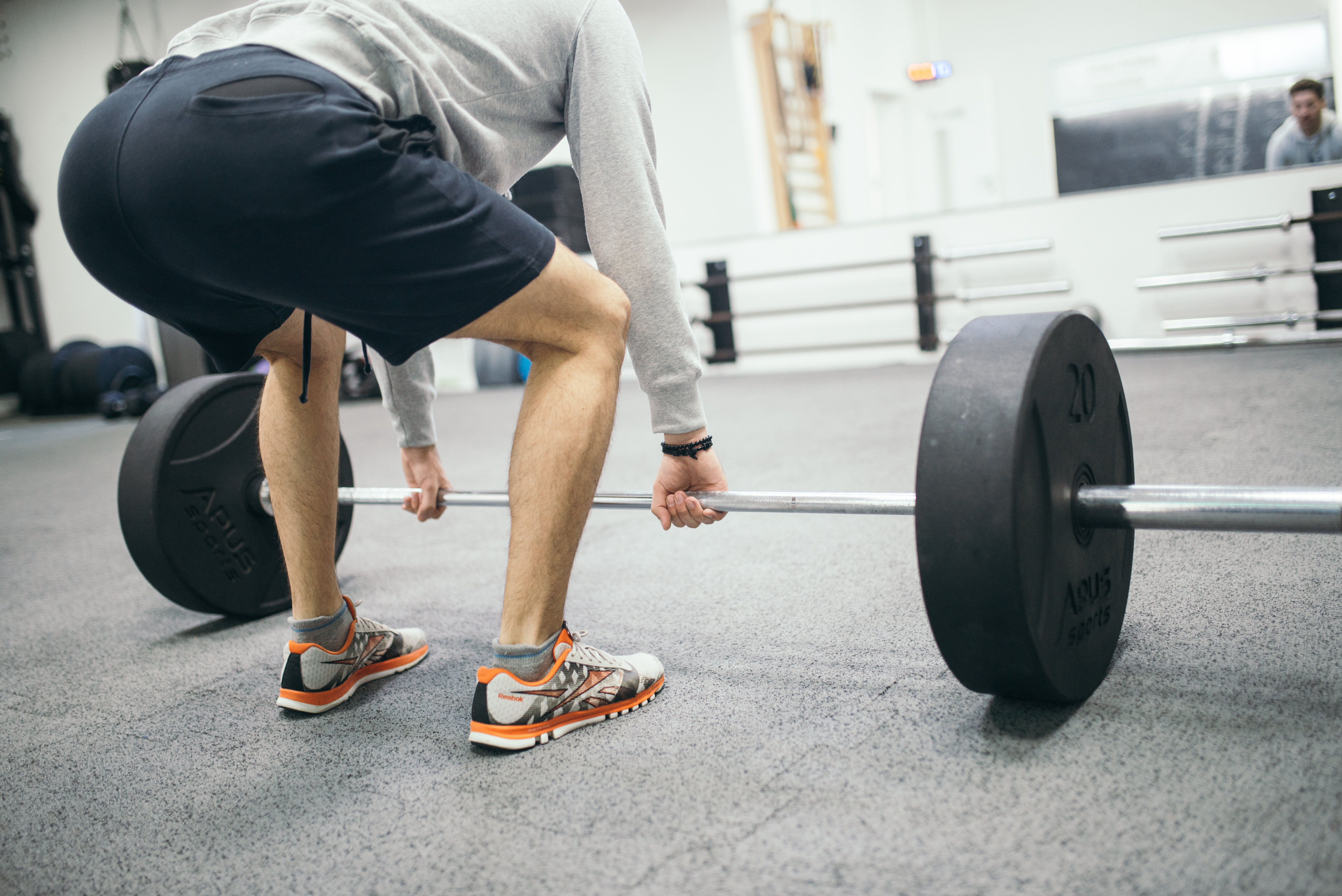
Correct breathing when lifting weights means exhaling on exertion; MacDougall's 1985 study found blood pressure hit 320/250 mmHg during heav
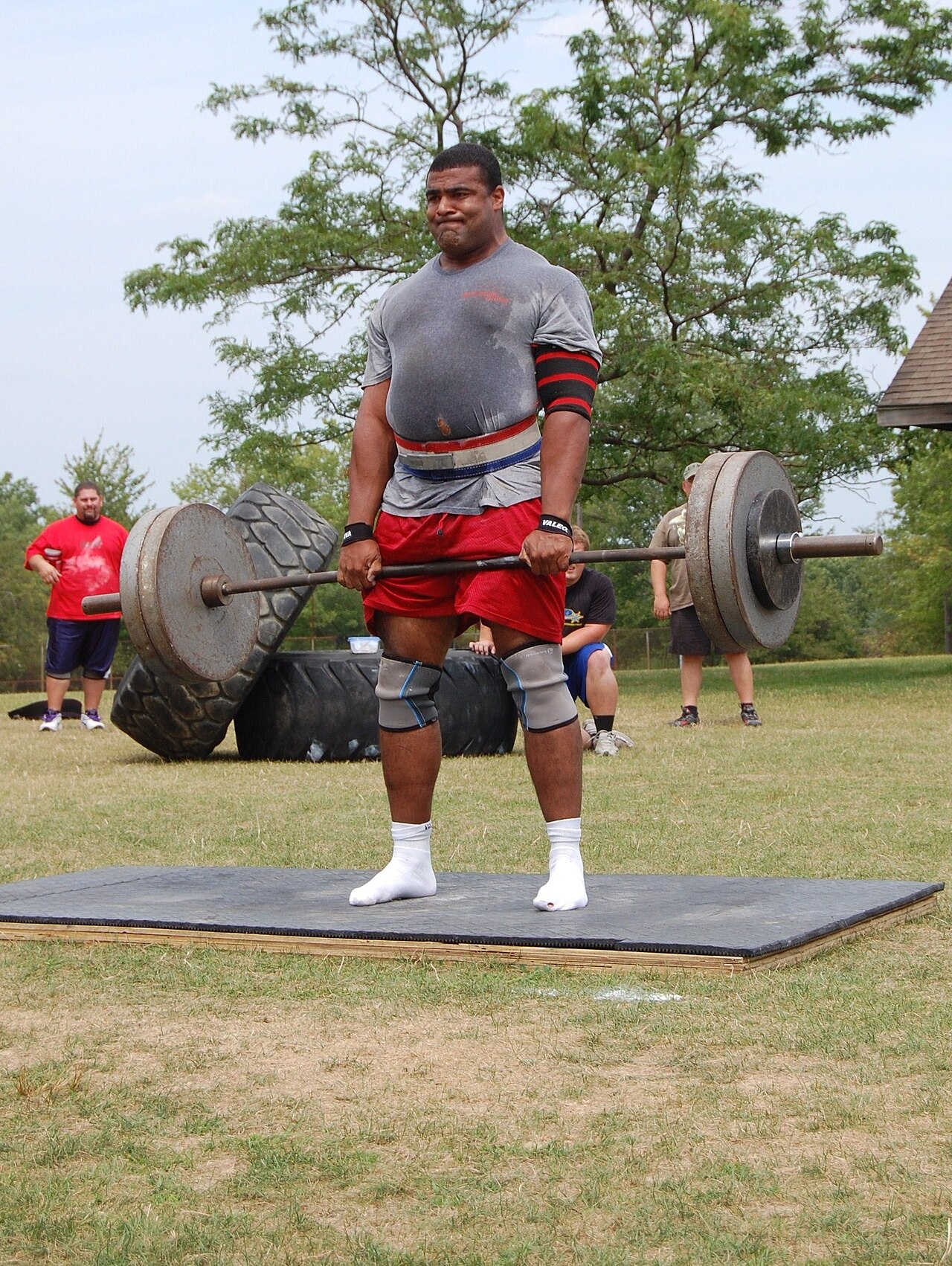
Lower back pain after deadlifts usually comes from form breakdown: lumbar rounding, lockout over-arch, or a drifting bar. What is normal sor
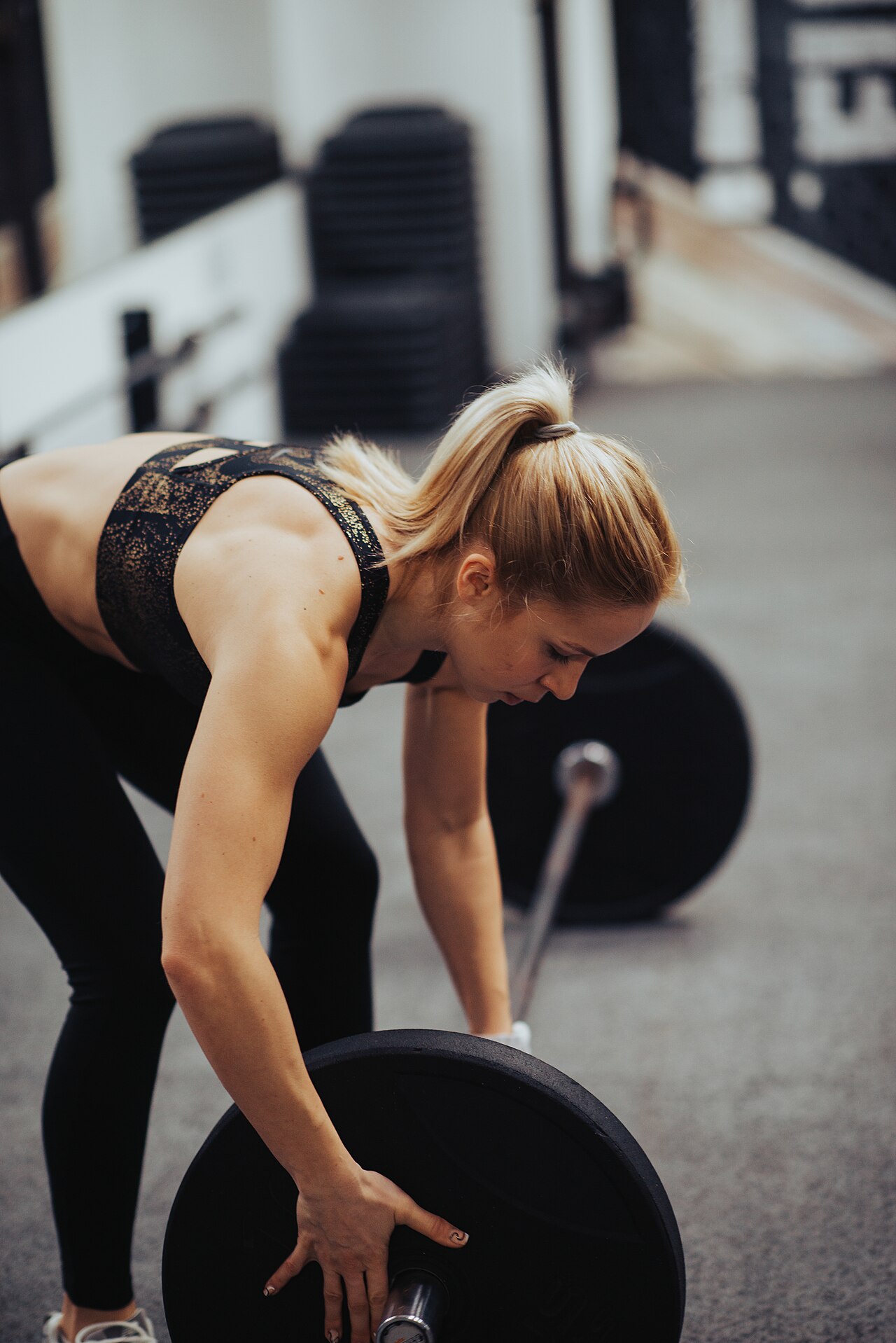
Progressive overload means gradually increasing training stress to drive muscle growth. The science of how it works, the methods, and how to
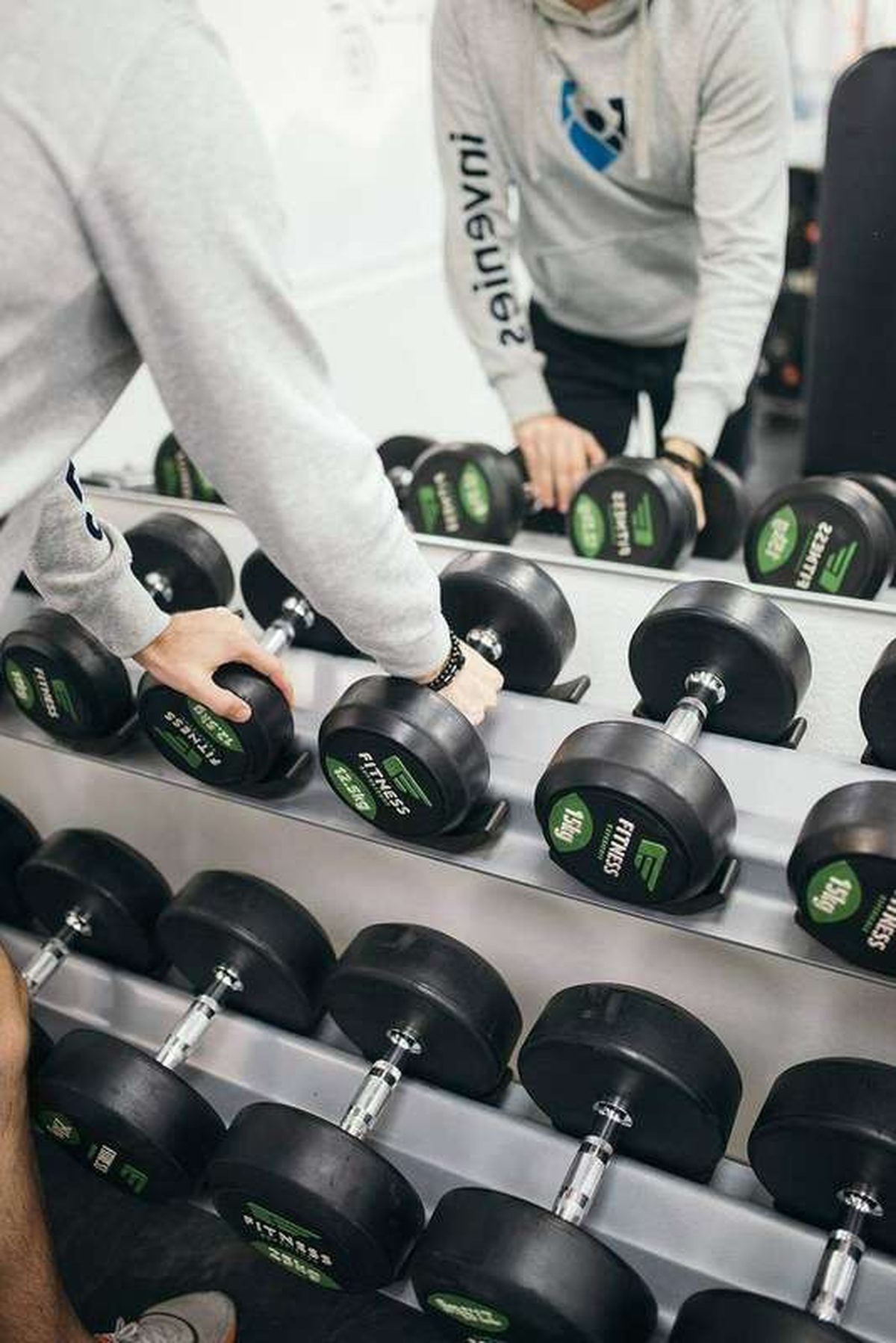
Strength gains start in week one, but visible muscle takes 8-12 weeks for most beginners. What the Oklahoma CT-scan study measured, and the
Post-workout dizziness usually comes from a blood pressure dip, dehydration, or low blood sugar. The numbers behind each cause, and when to
Knees hurt when squatting but not running because deep bends multiply force on the kneecap. Learn the mechanics, common causes, fixes, and w
DOMS is a dull ache peaking about 48 hours after exercise, fading within a week. A strain is sharp, sudden, and often swollen. How to tell t
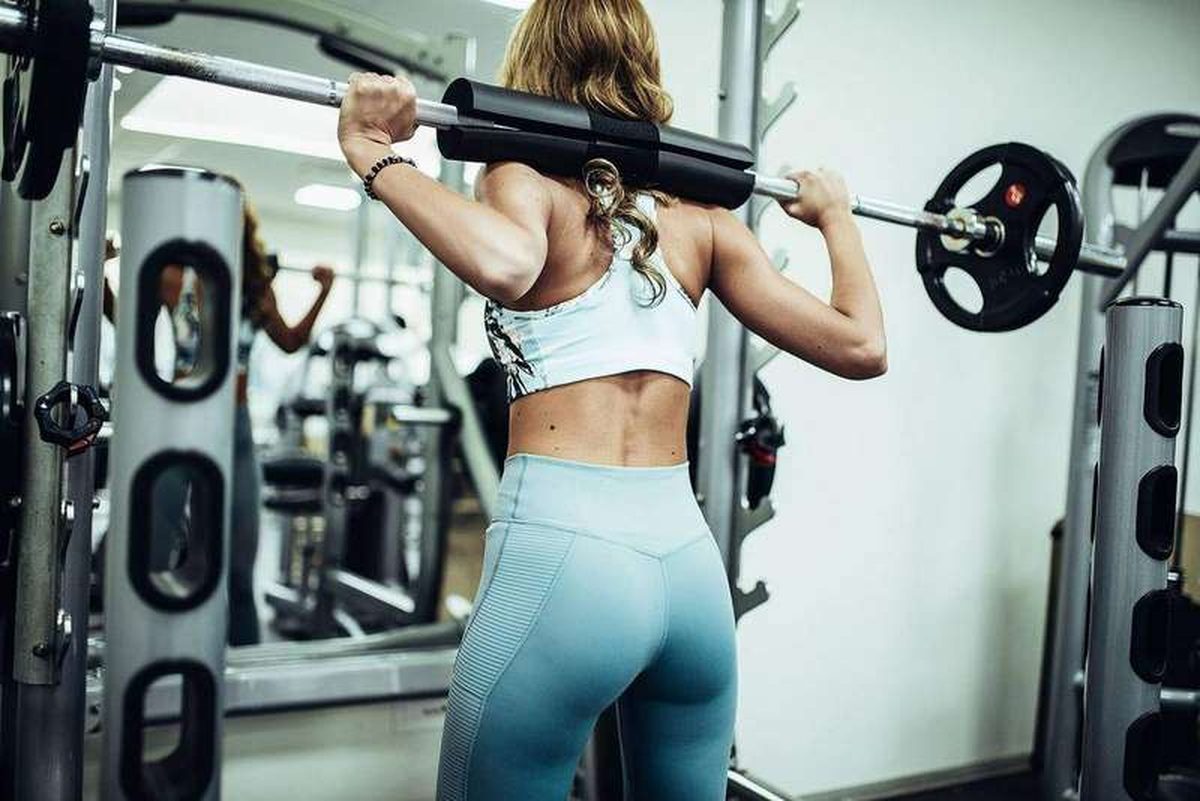
Master proper squat form step by step, from stance and bracing to depth and the drive up. Includes the 5-inch knee-to-wall ankle test most g
Protein fuels muscle repair after workouts, but the 30-minute anabolic window is mostly myth. Daily intake of 1.4-2.0 g/kg matters far more
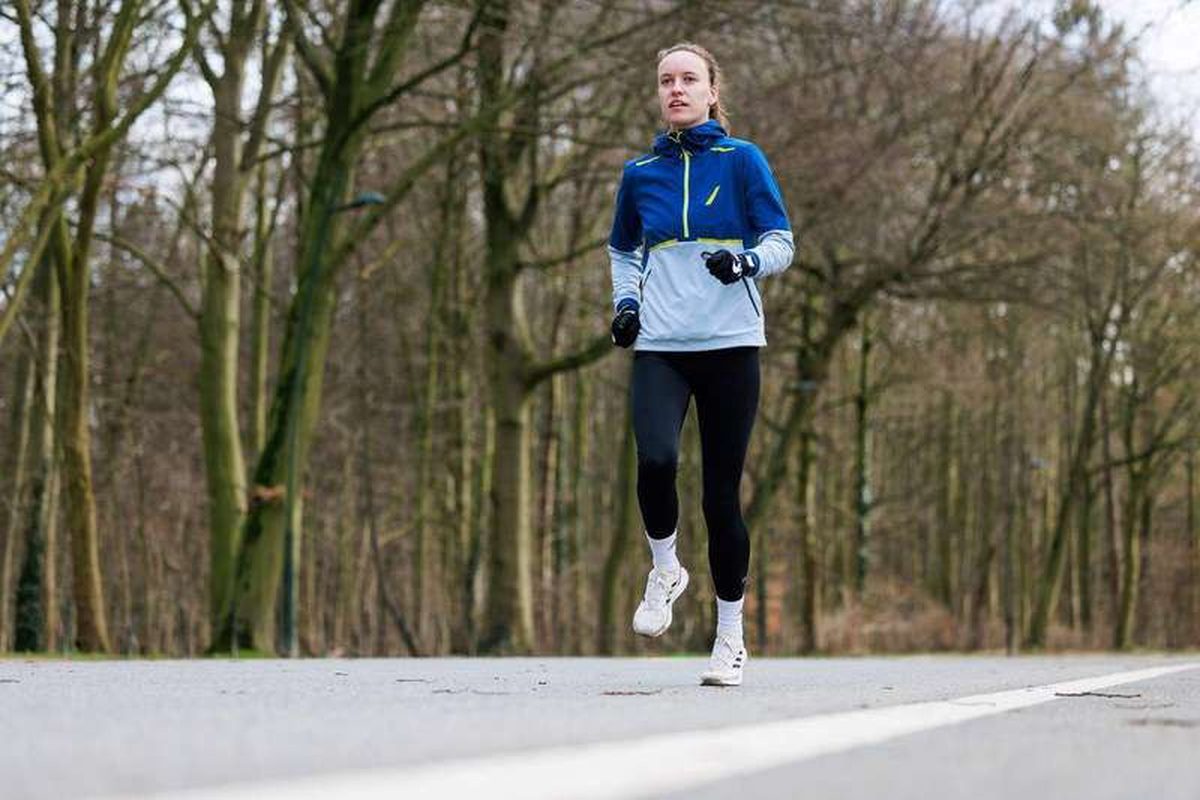
Shin splints strike new runners when training load outpaces tissue recovery. Mayo Clinic's causes, warning signs, and the self-care steps th

Getting winded fast on a run means your muscles need more oxygen than your heart and lungs can deliver. Here is how VO2 max and training can
Descending stairs makes quads brake your body weight each step, raising kneecap force to about 3.2 times body weight. Why it hurts, and when
A Pennington trial found exercisers ate back 91 to 124 calories a day. Here is why the scale stalls despite regular workouts, and what actua