Food
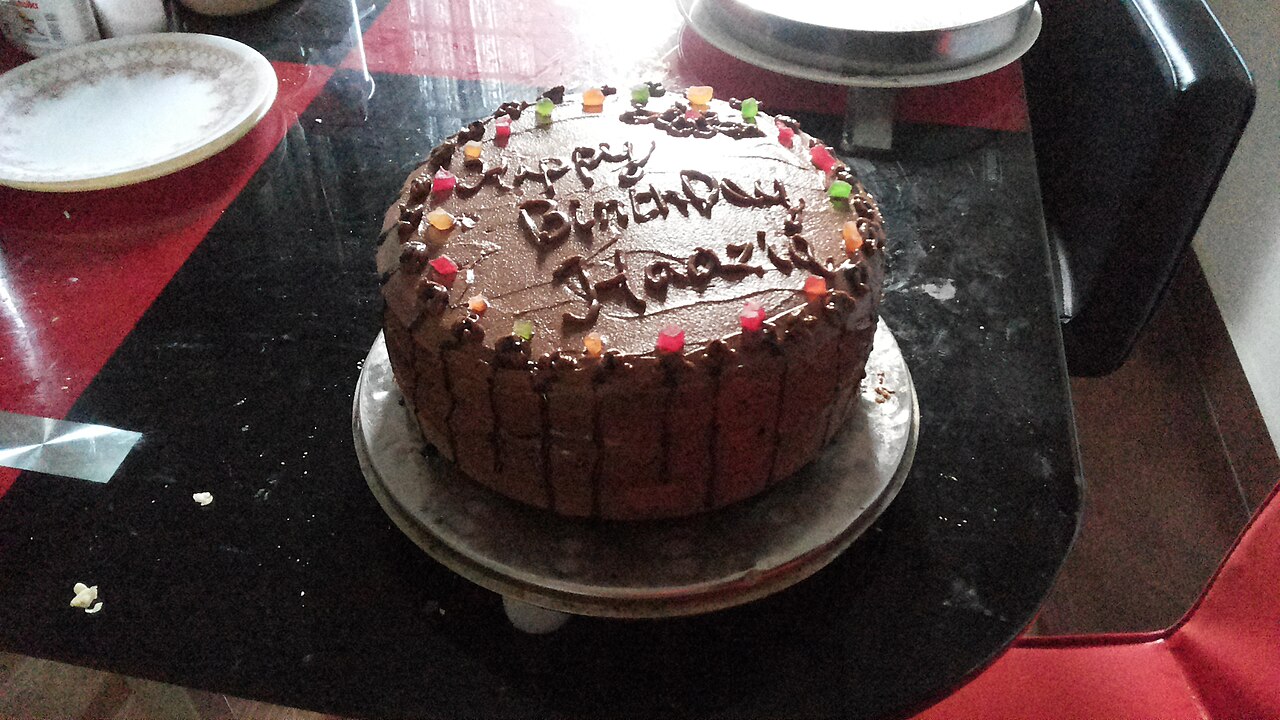
Why cake sinks in the middle after baking: 6 fixes that work
A sunken cake is usually underbaked or over-leavened. King Arthur Baking says most cakes finish at 200 to 210 F inside. Causes, doneness tes
 Monday, October 12, 2026
The latest food explainers on Rive News: sourced, human-written guides.
A sunken cake is usually underbaked or over-leavened. King Arthur Baking says most cakes finish at 200 to 210 F inside. Causes, doneness tes
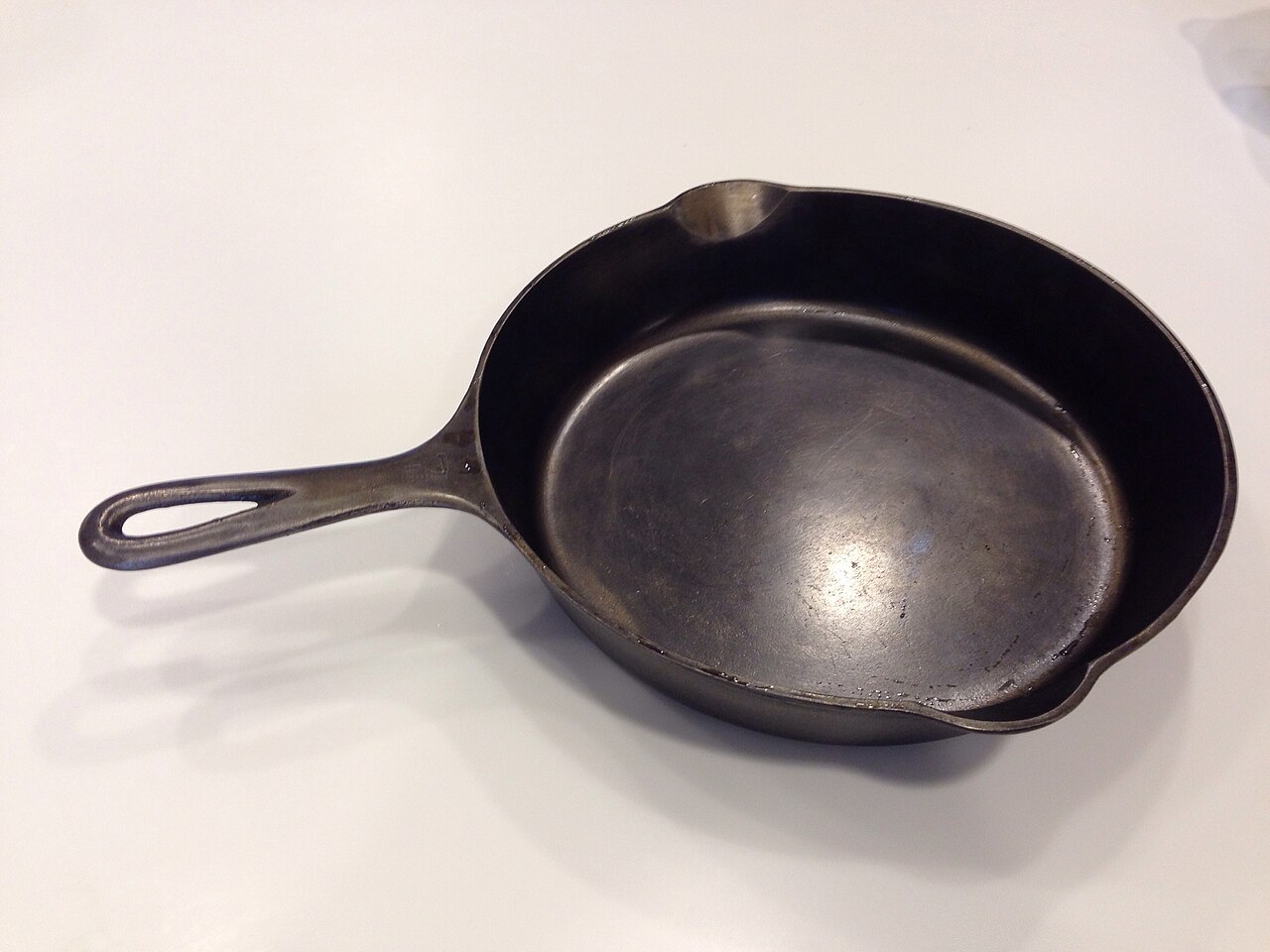
Seasoning is oil baked onto cast iron until it polymerizes into a hard, rust-proof layer. Learn the science, the 450-degree method, and how
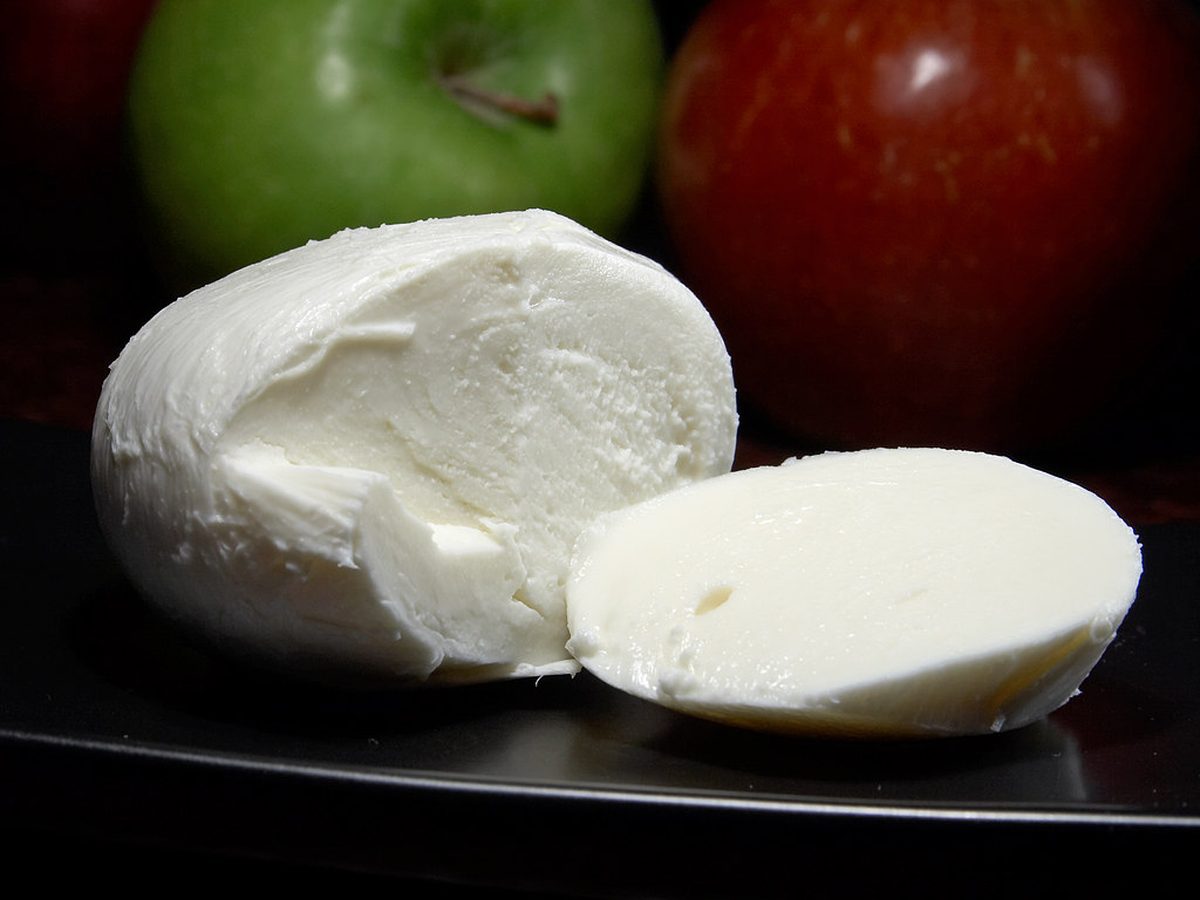
Mozzarella flows, cheddar varies with age, and parmesan crisps instead of melting. Moisture, fat, acidity, and aging decide how cheese behav
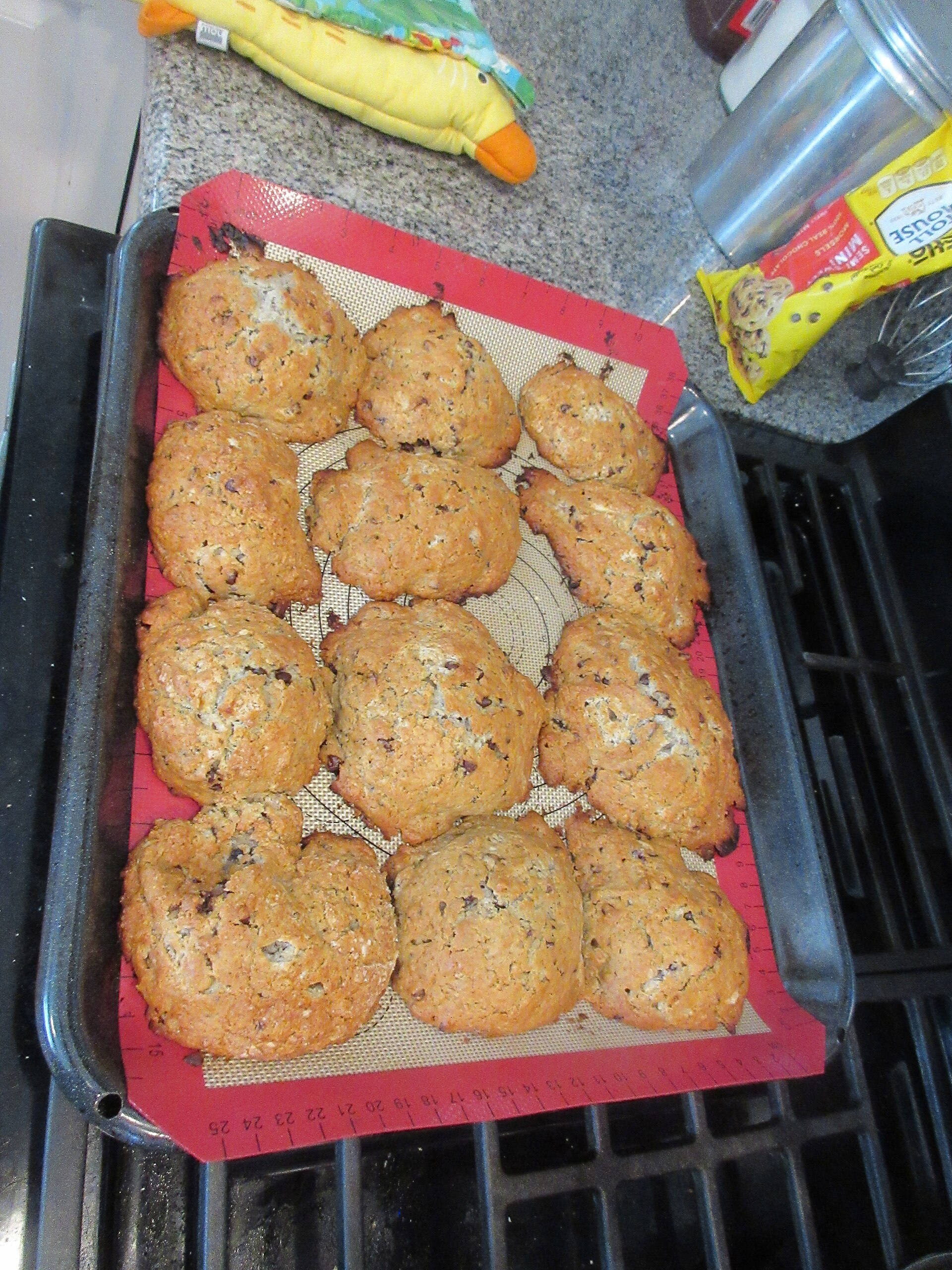
Cookies spread too thin when fat melts before the dough sets, and stay too thick when dough is too cold or flour-heavy. Here is the full bak
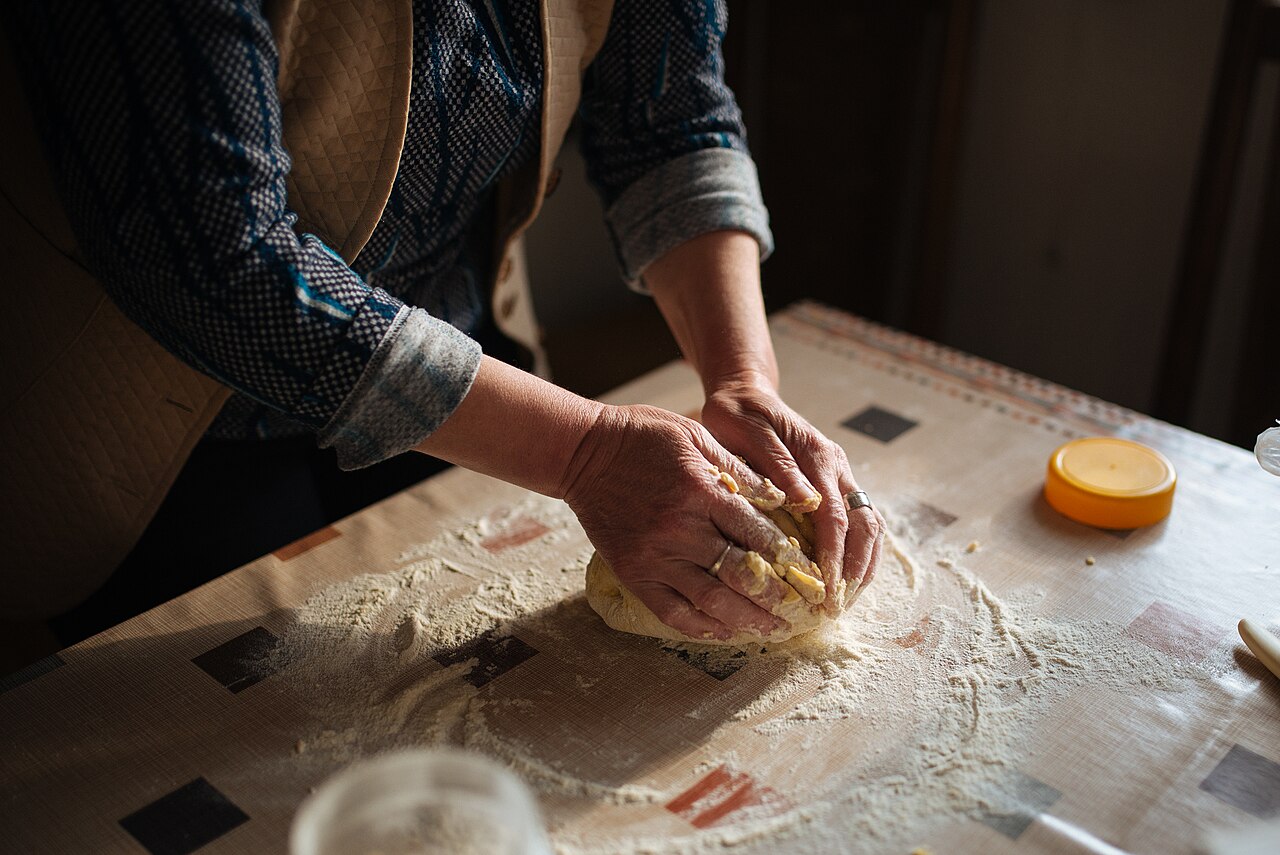
Gluten forms when wheat proteins meet water, and kneading builds that network into an elastic web that traps gas. Here is how it works, and
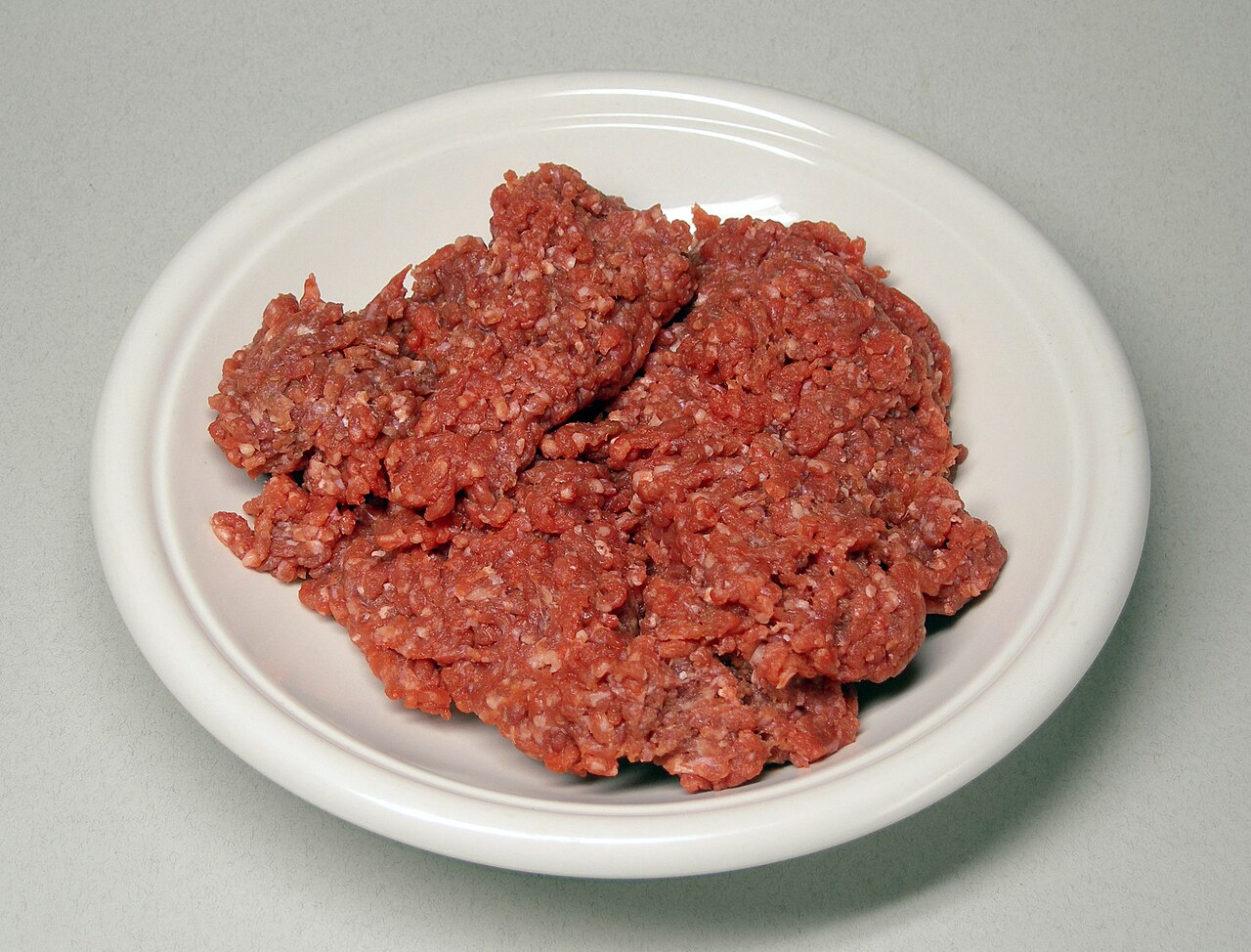
Brown meat in the fridge is usually myoglobin oxidation, not spoilage. Here are the USDA color rules, when brown is normal, and the real sig
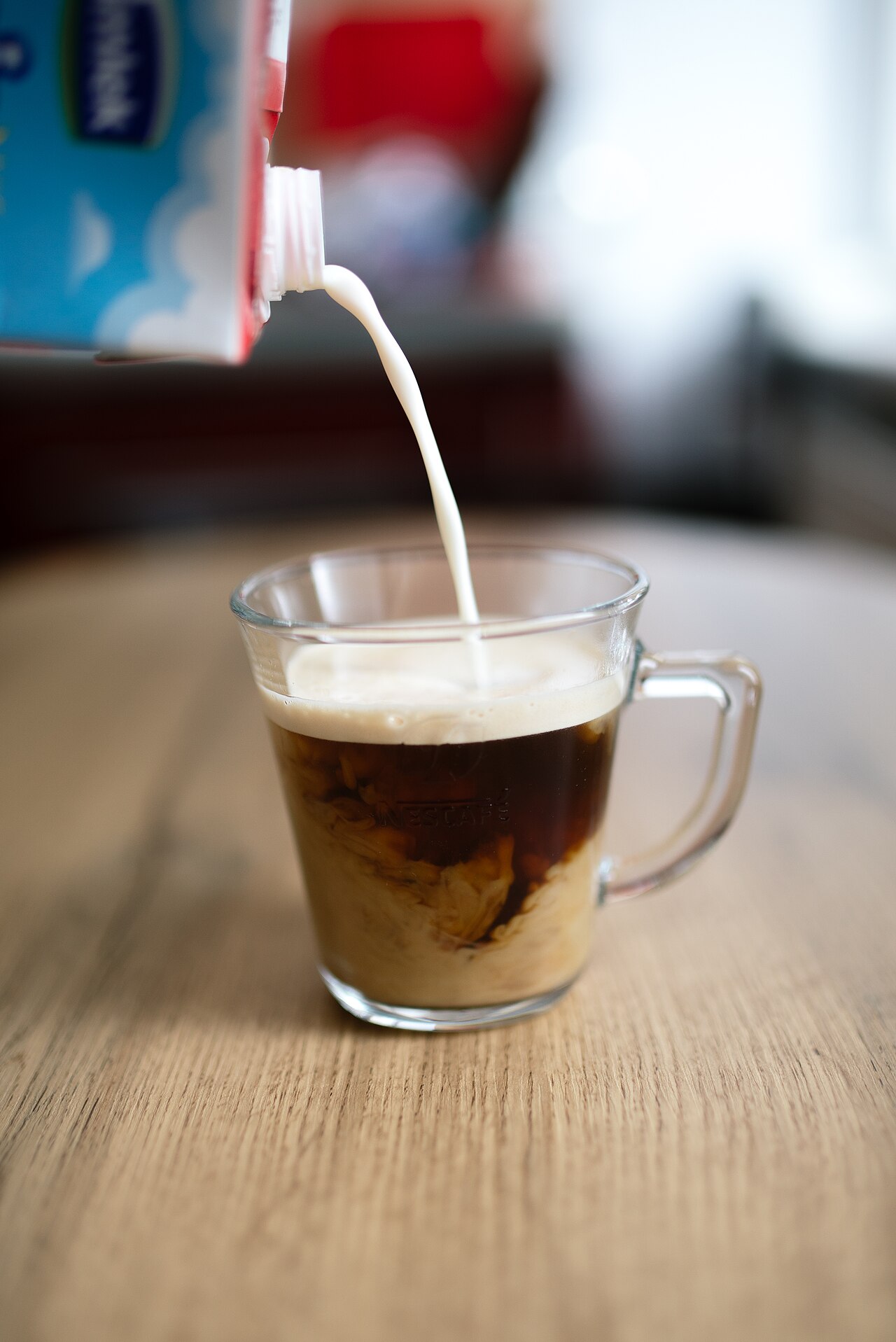
Milk curdles at pH 4.6, where casein proteins lose their charge and clump. Acid, heat, and bacteria push milk toward that point. The chemist
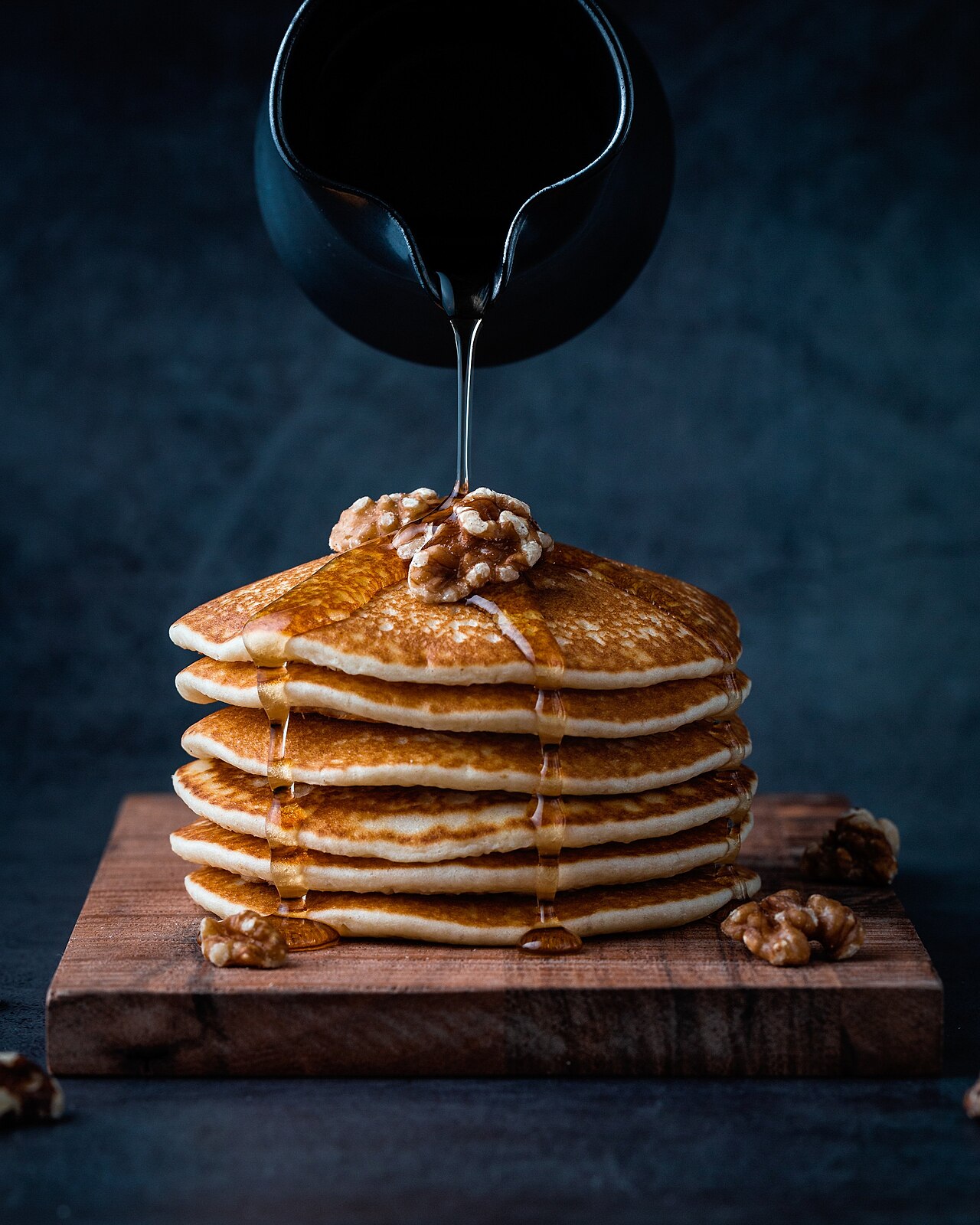
Flat pancakes often come from dead baking powder, overmixed batter, or a cool griddle. This guide covers the chemistry and five proven fixes
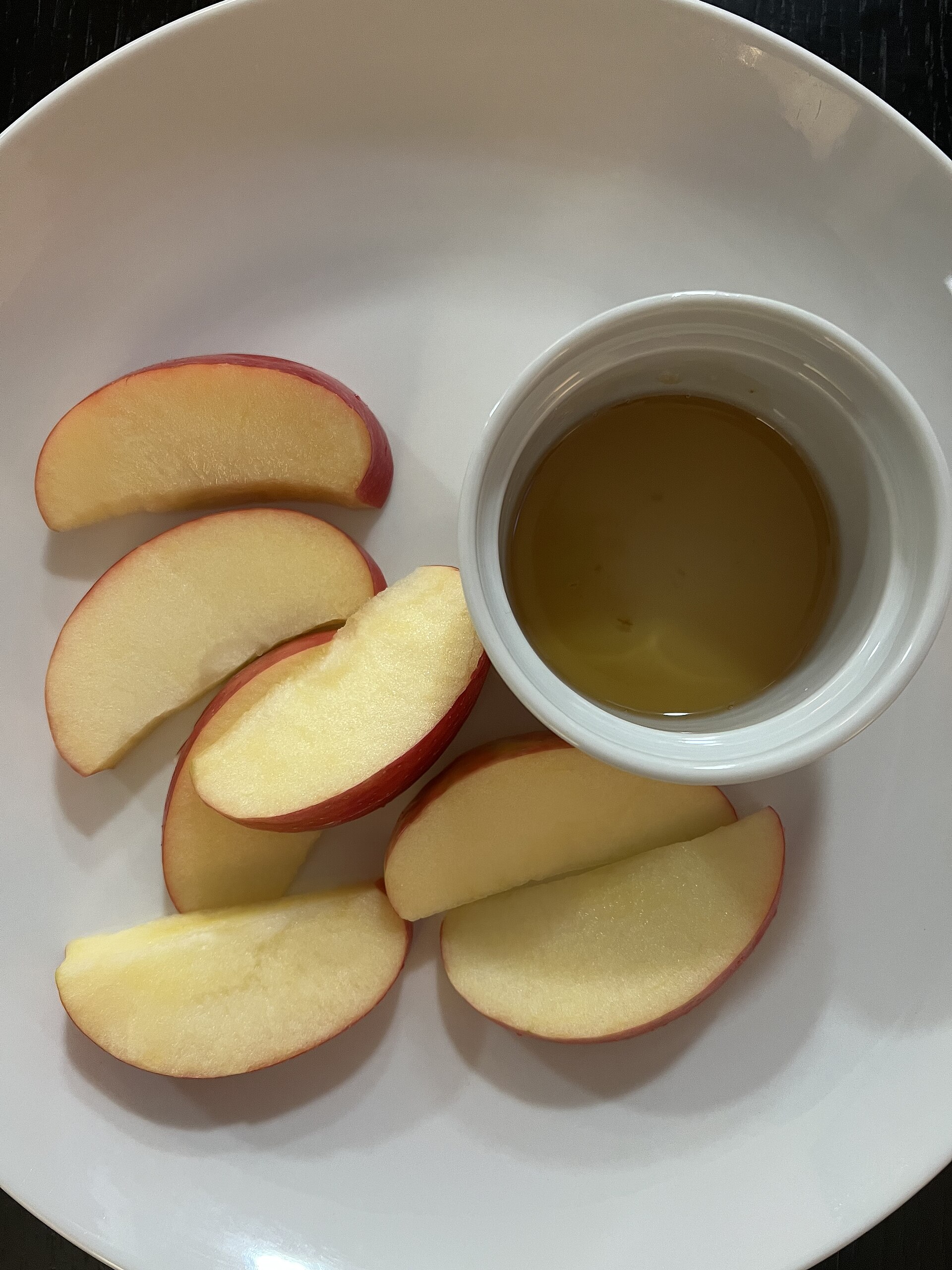
Cut apples brown when the enzyme polyphenol oxidase meets air, forming brown melanin. Lemon juice stops it: its acid and vitamin C block the
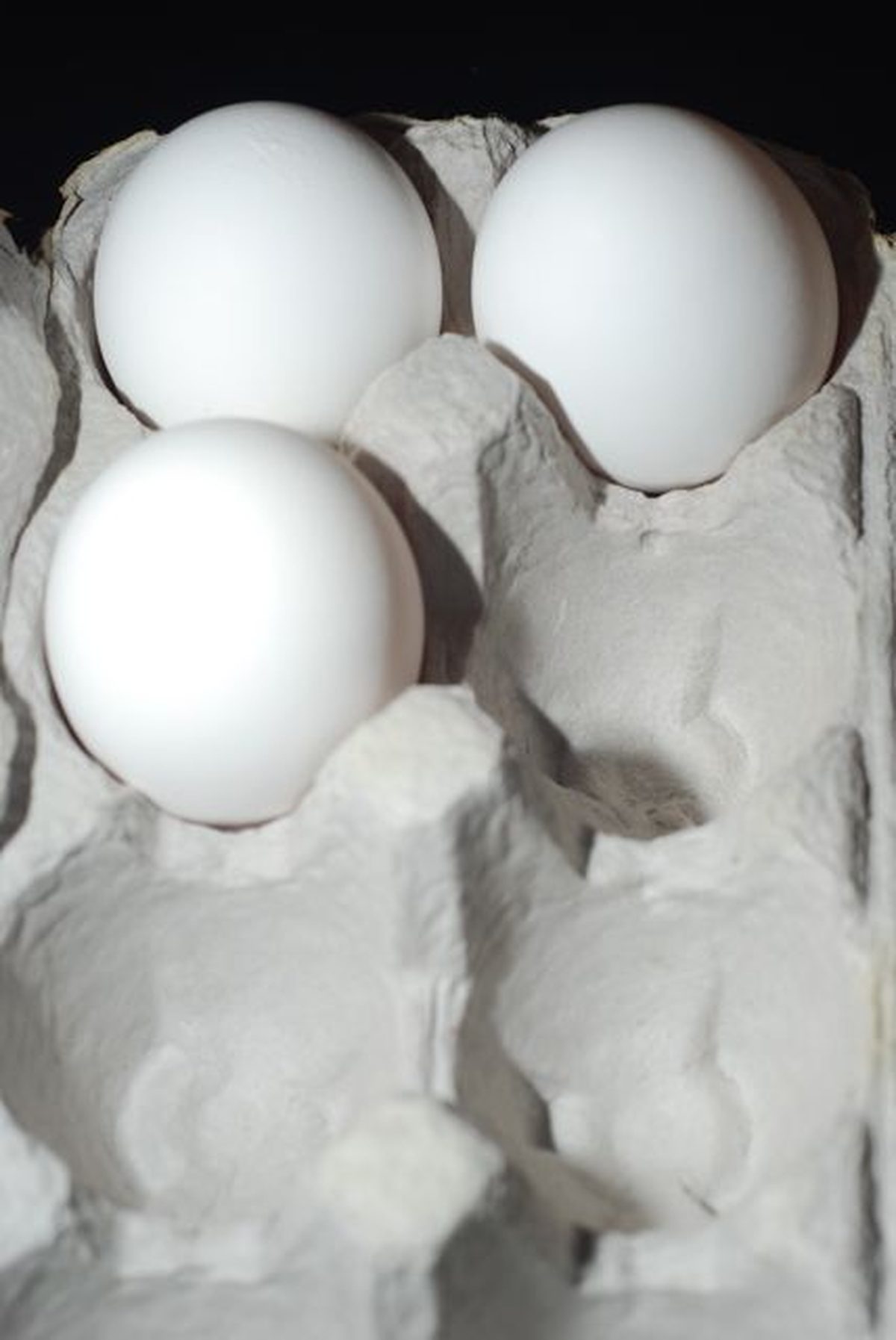
White and brown eggs have the same nutrition: a large egg holds about 70 calories and 6 grams of protein either way. Shell color is just the
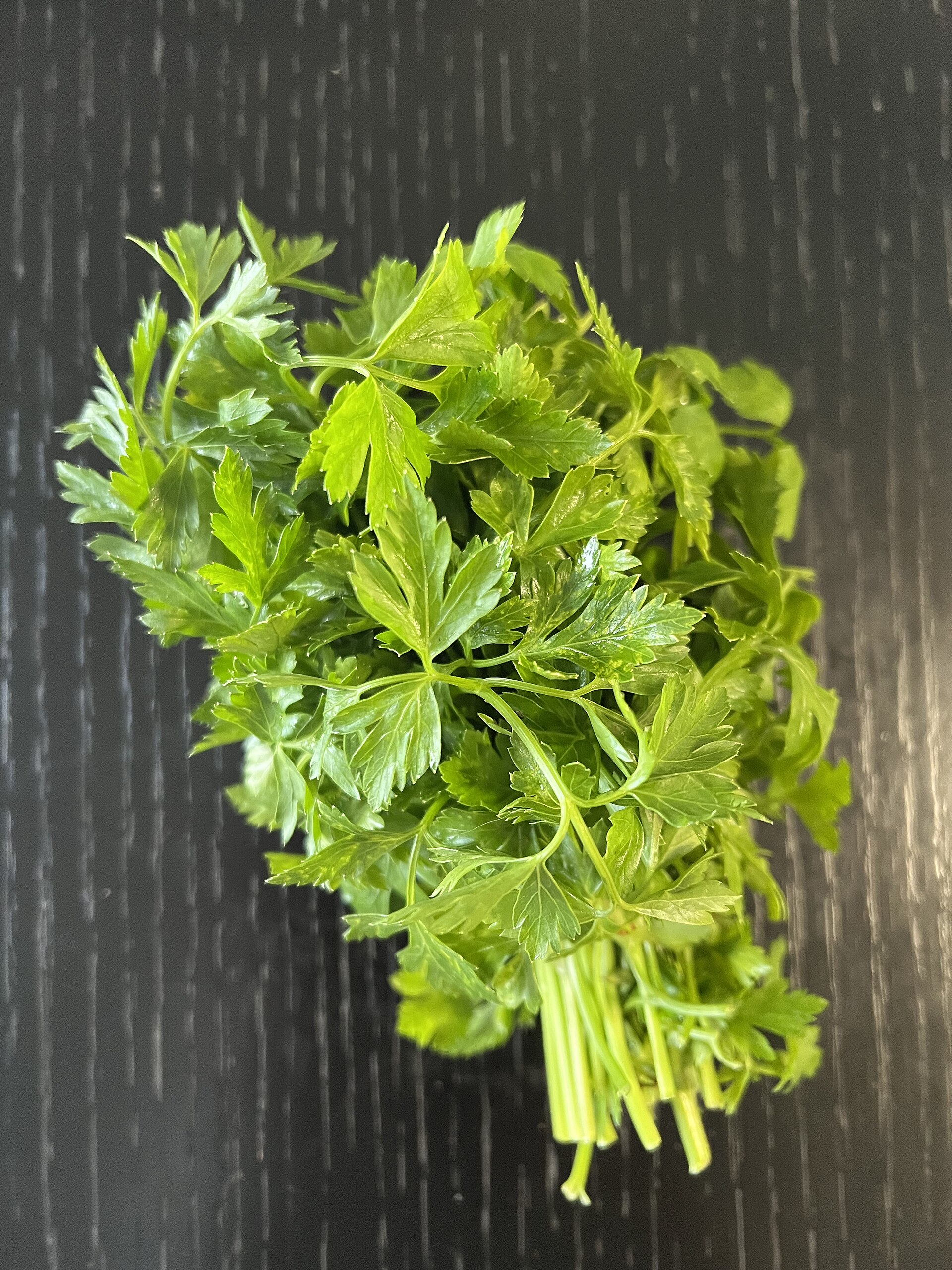
Soft herbs last up to two weeks in a water jar in the fridge; hardy herbs prefer a damp towel wrap. Basil turns black below 50 F, so keep it
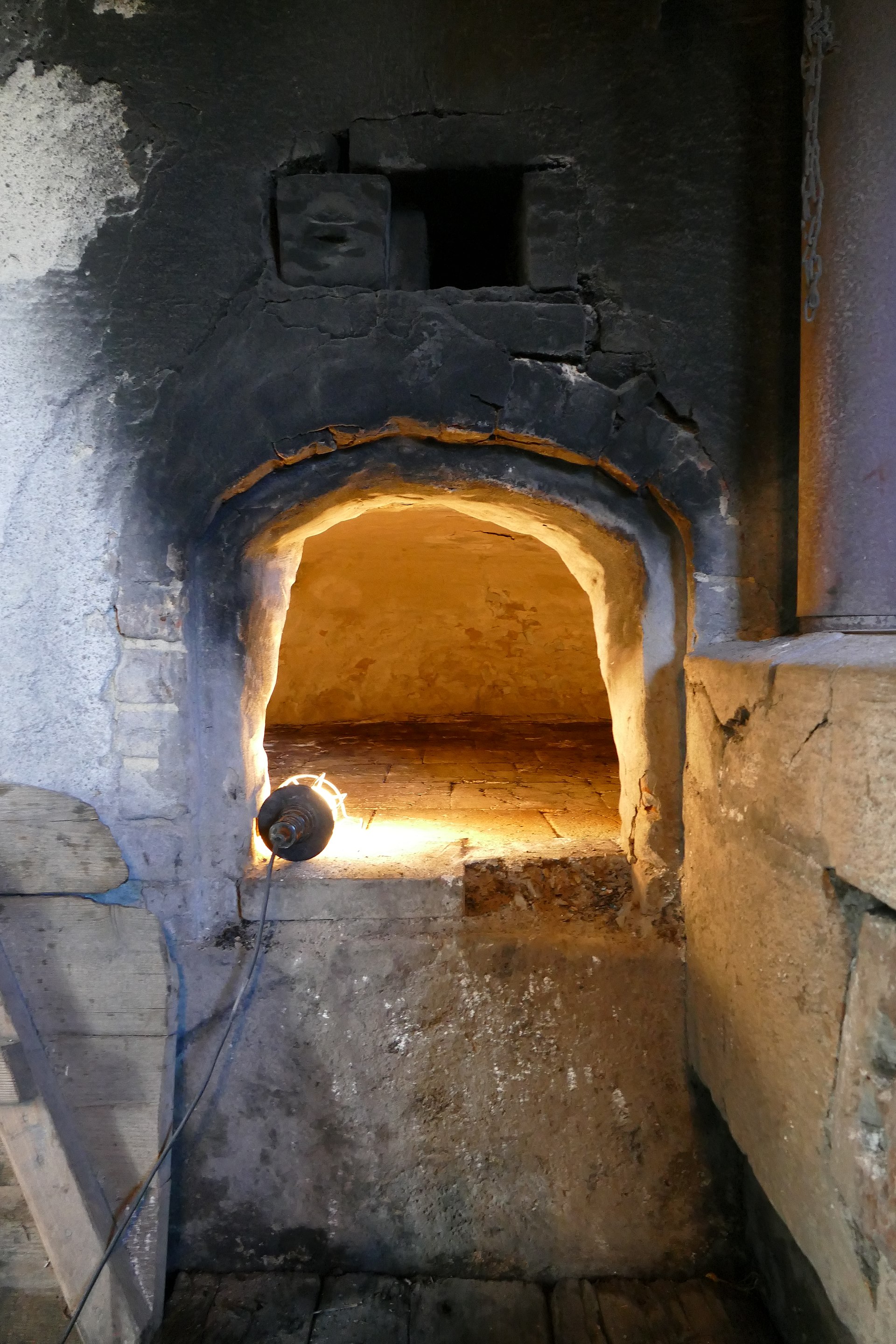
A full preheat takes 10 to 15 minutes and heats the oven walls, not just the air. Stored wall heat fires leavening and keeps the bake from f
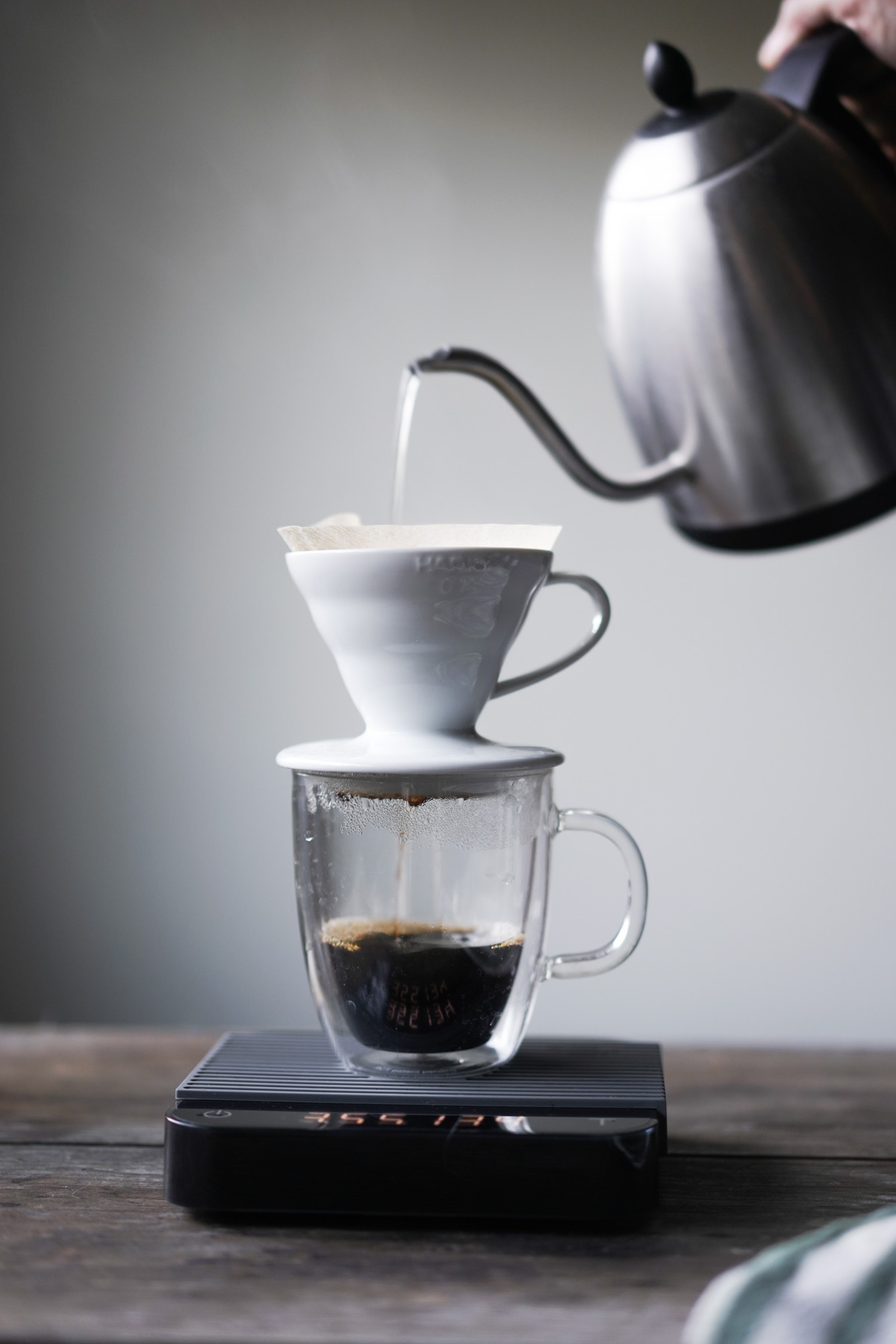
Bitter coffee is almost always over-extraction: water pulls too much from the grounds. Grind coarser, keep water at 195-205 F, and fix the c
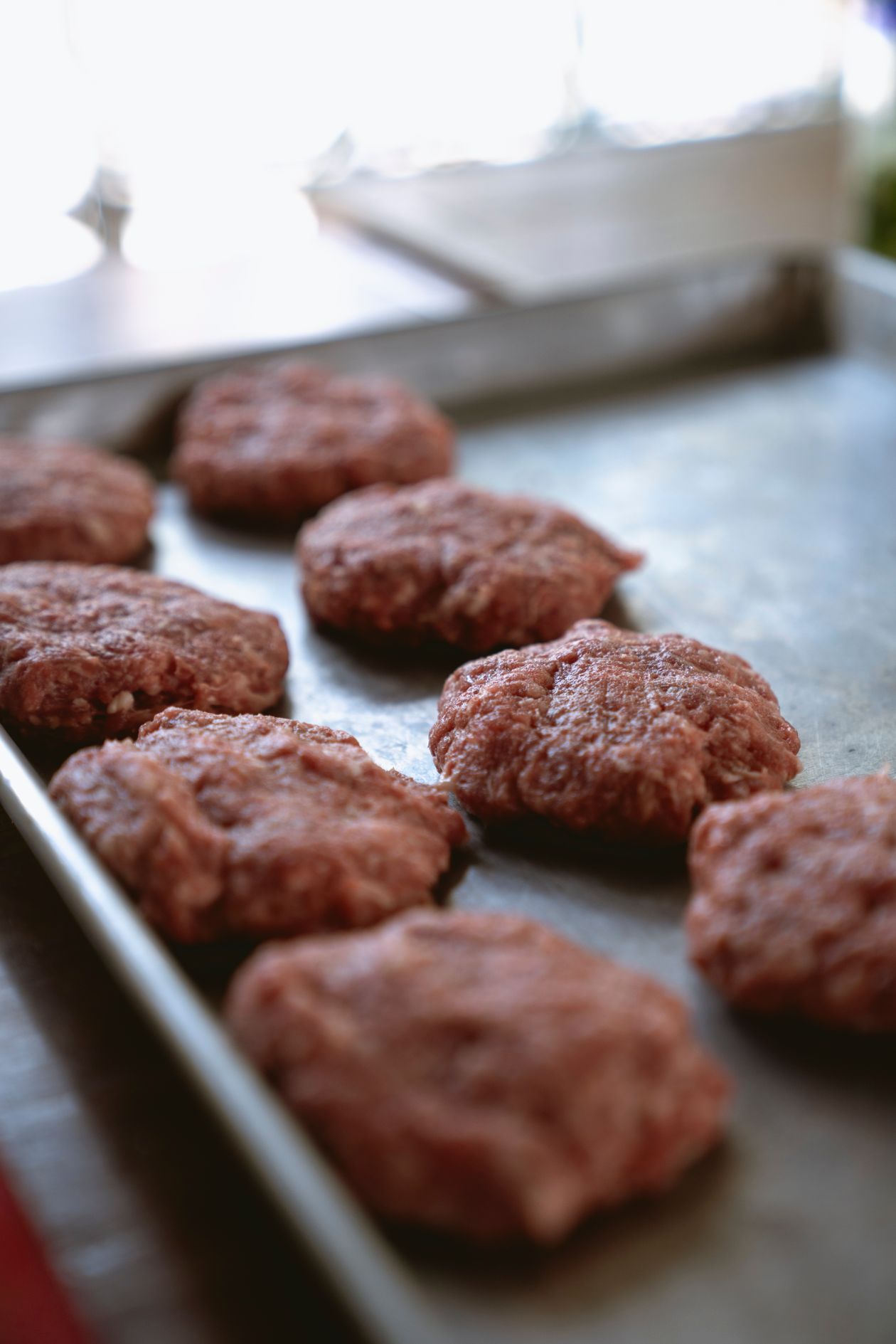
Frozen meat must thaw in the fridge because bacteria double every 20 minutes in the USDA danger zone of 40°F to 140°F, which counter thawing
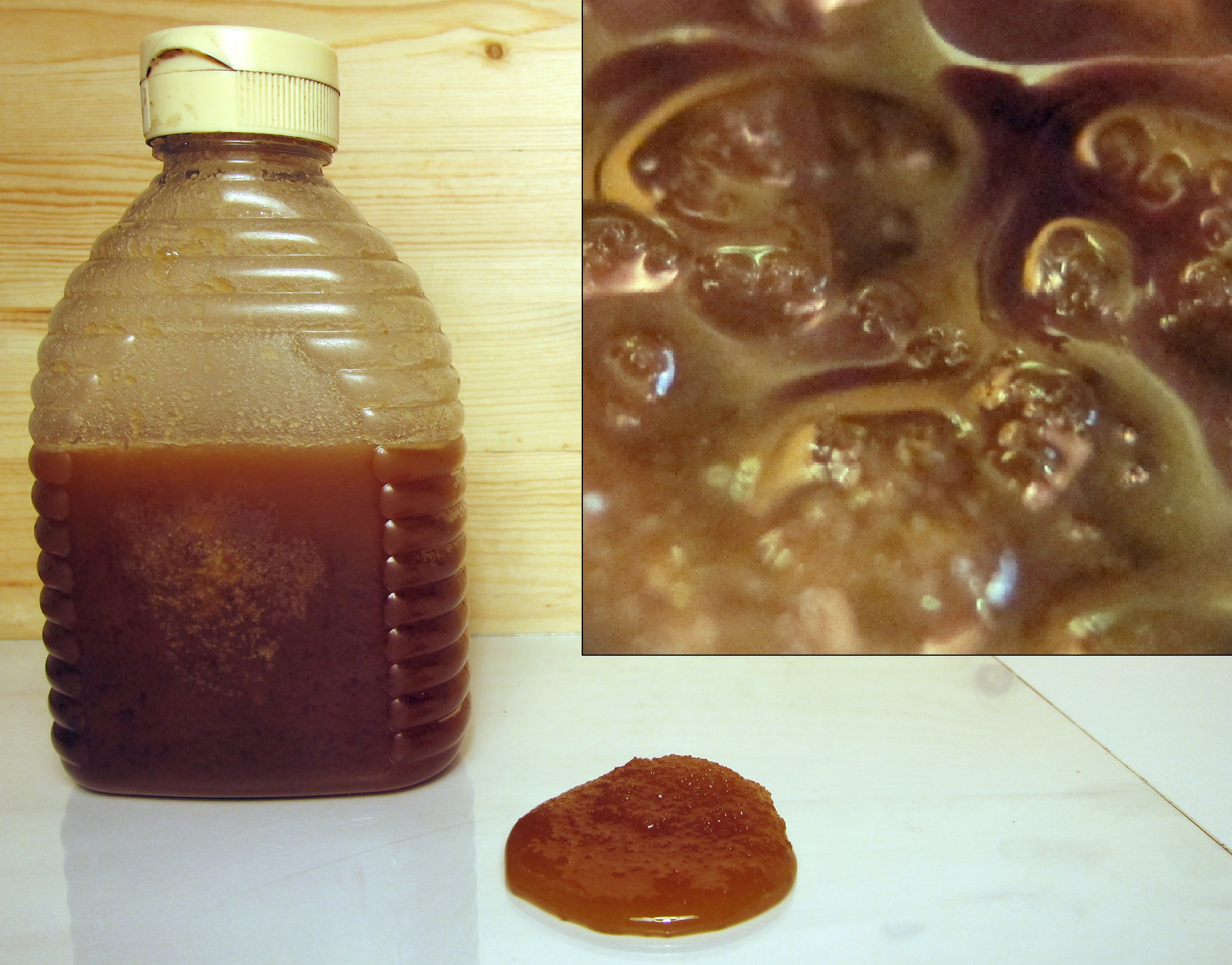
Honey crystallizes when glucose separates from its sugary water mix. The National Honey Board calls it natural, and a warm bath around 104°F
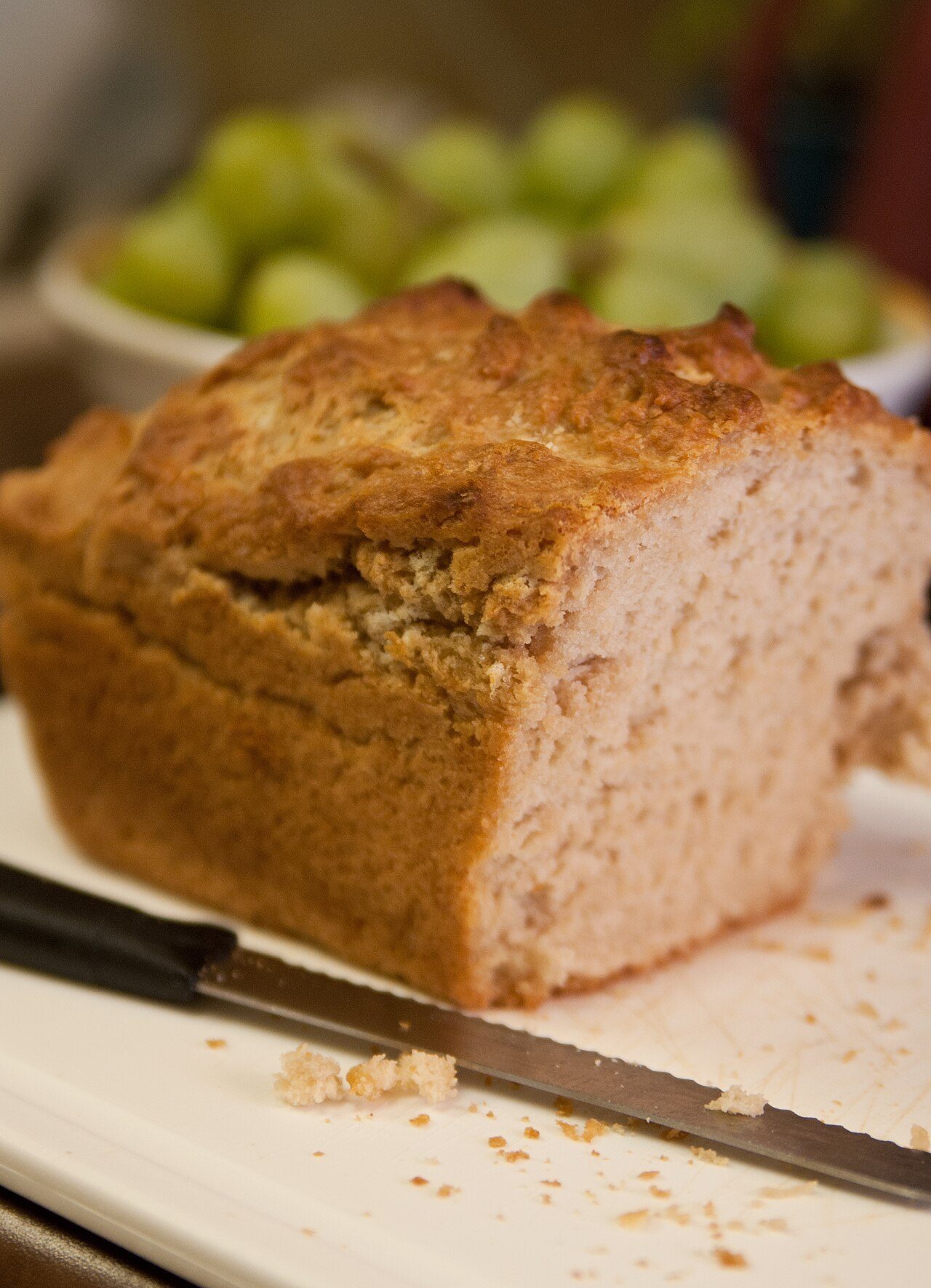
Bread goes stale faster in the fridge because starch recrystallizes fastest near 4°C. Here is the retrogradation science and the right way t
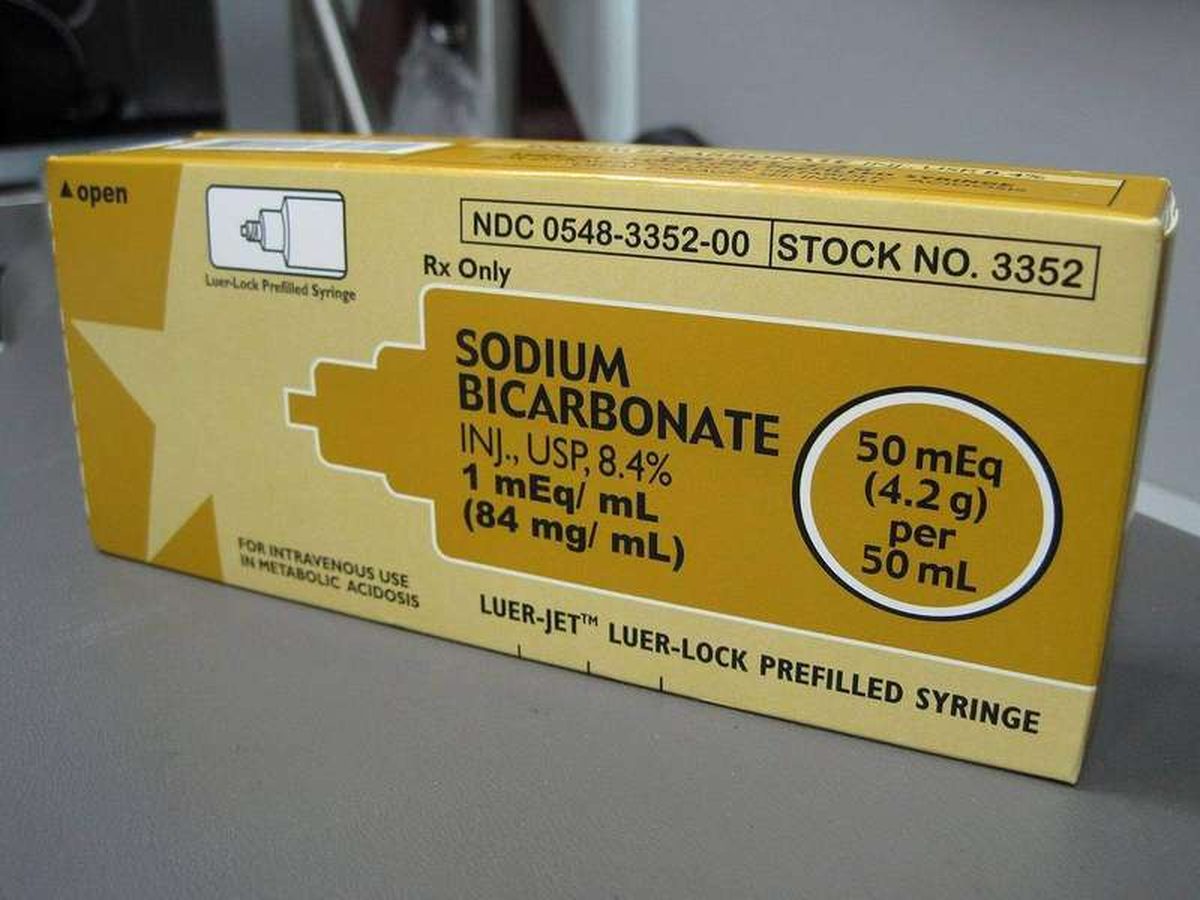
Baking soda is pure sodium bicarbonate; baking powder adds two dry acids for double-acting lift. Learn when to use each, plus exact substitu
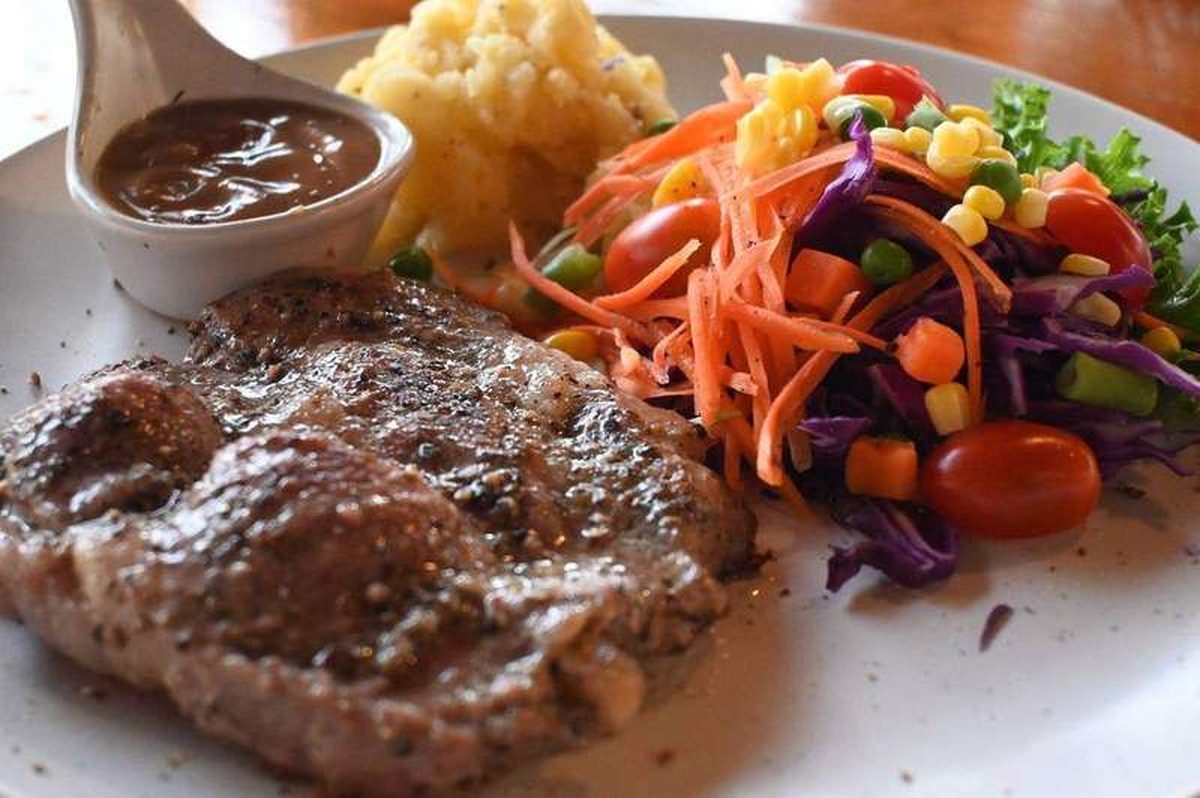
The Maillard reaction is the browning chemistry between amino acids and sugars above 140 C that creates the crust, color, and rich flavor of
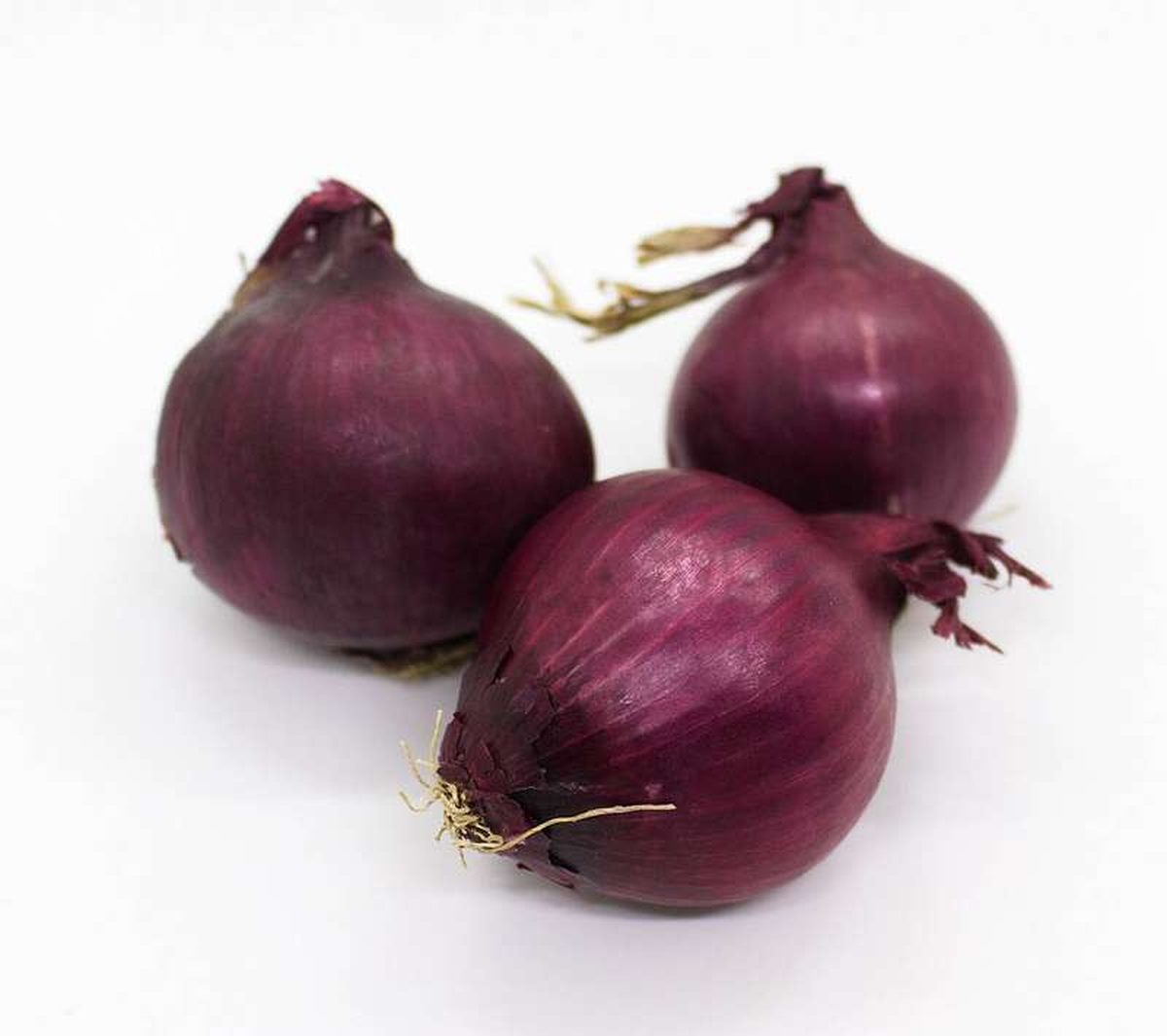
Cutting an onion releases syn-propanethial-S-oxide, a gas that turns to mild acid on your eyes. The chemistry behind the tears and the trick
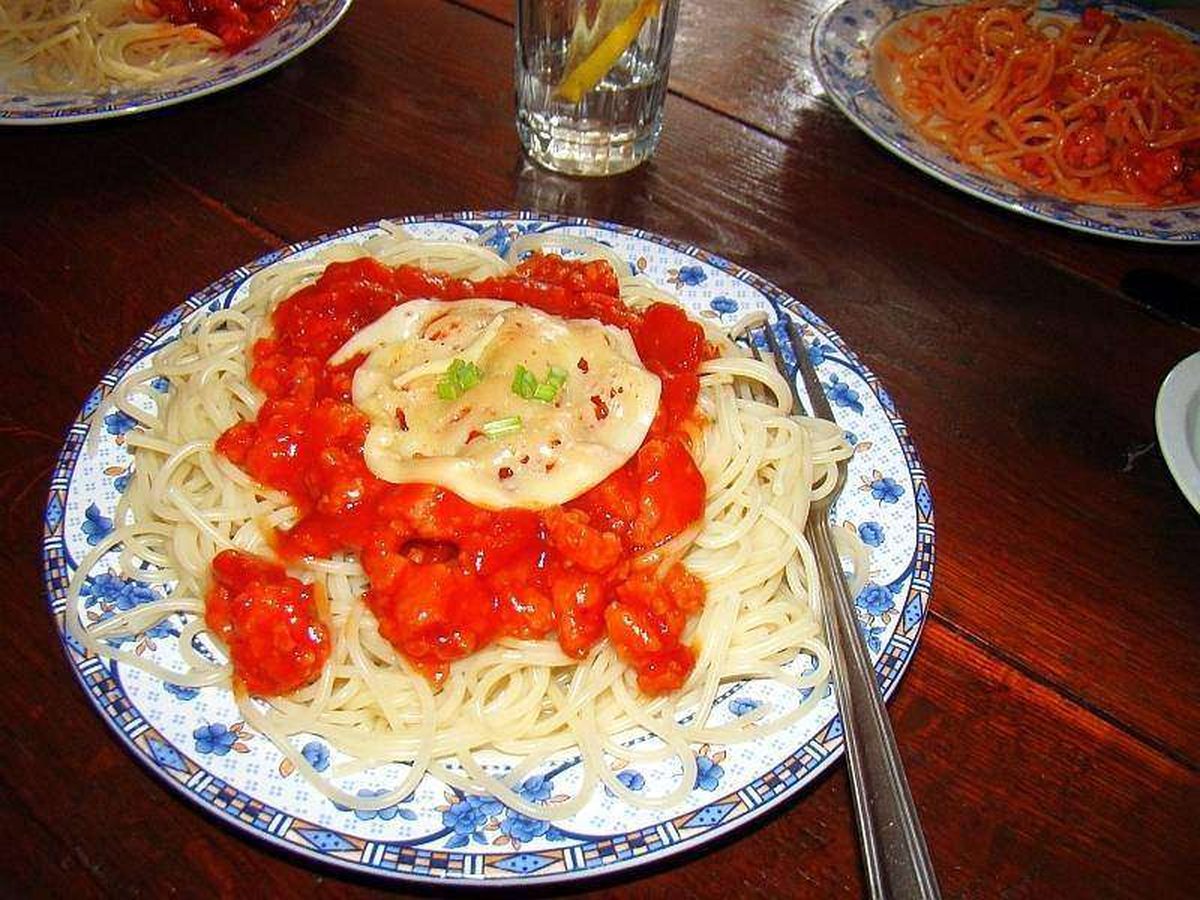
Pasta water should taste clearly salted, but real seawater is 3.5% salt and nobody uses that much. The practical 1 to 1.5% target and the fl
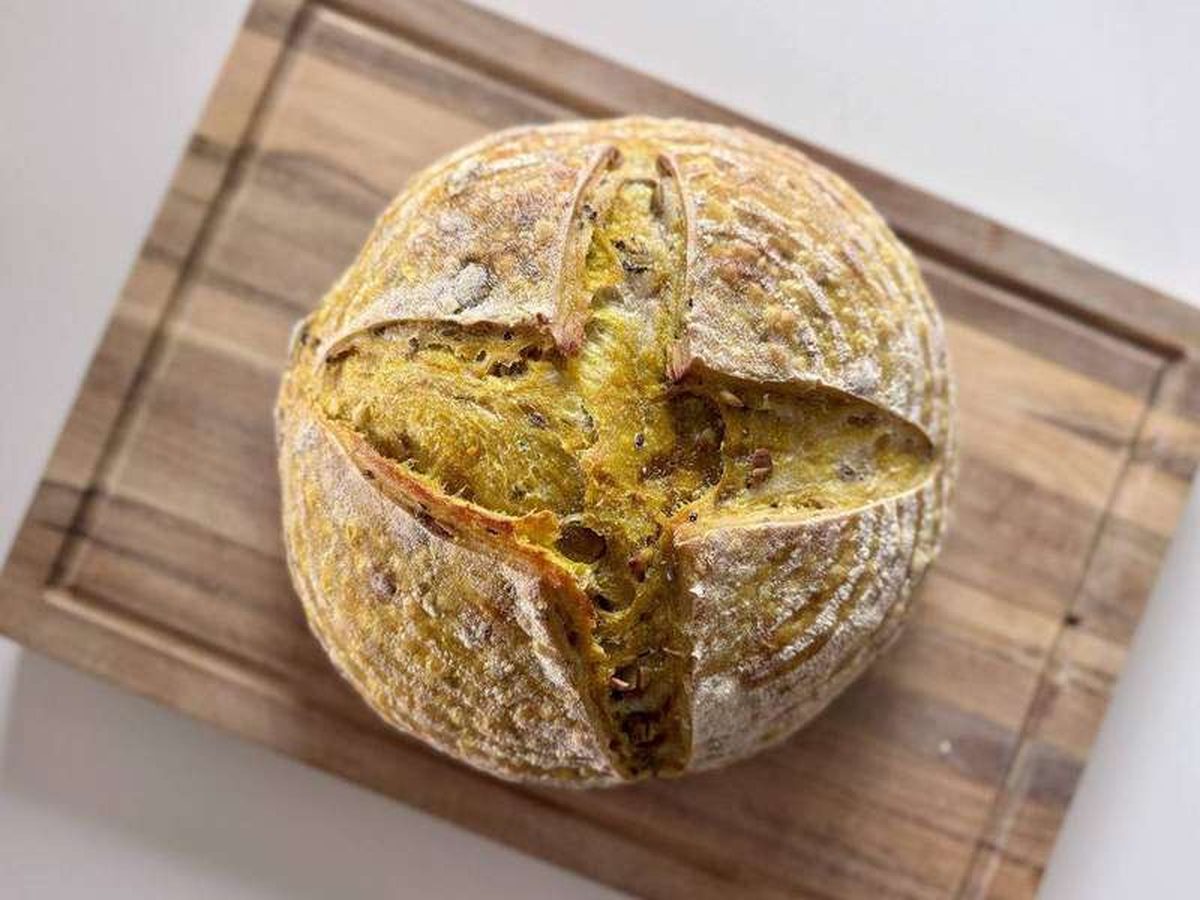
Yes, stale bread can be revived: staling is starch recrystallizing, not just drying, and water plus heat reverses it. The oven method and wh
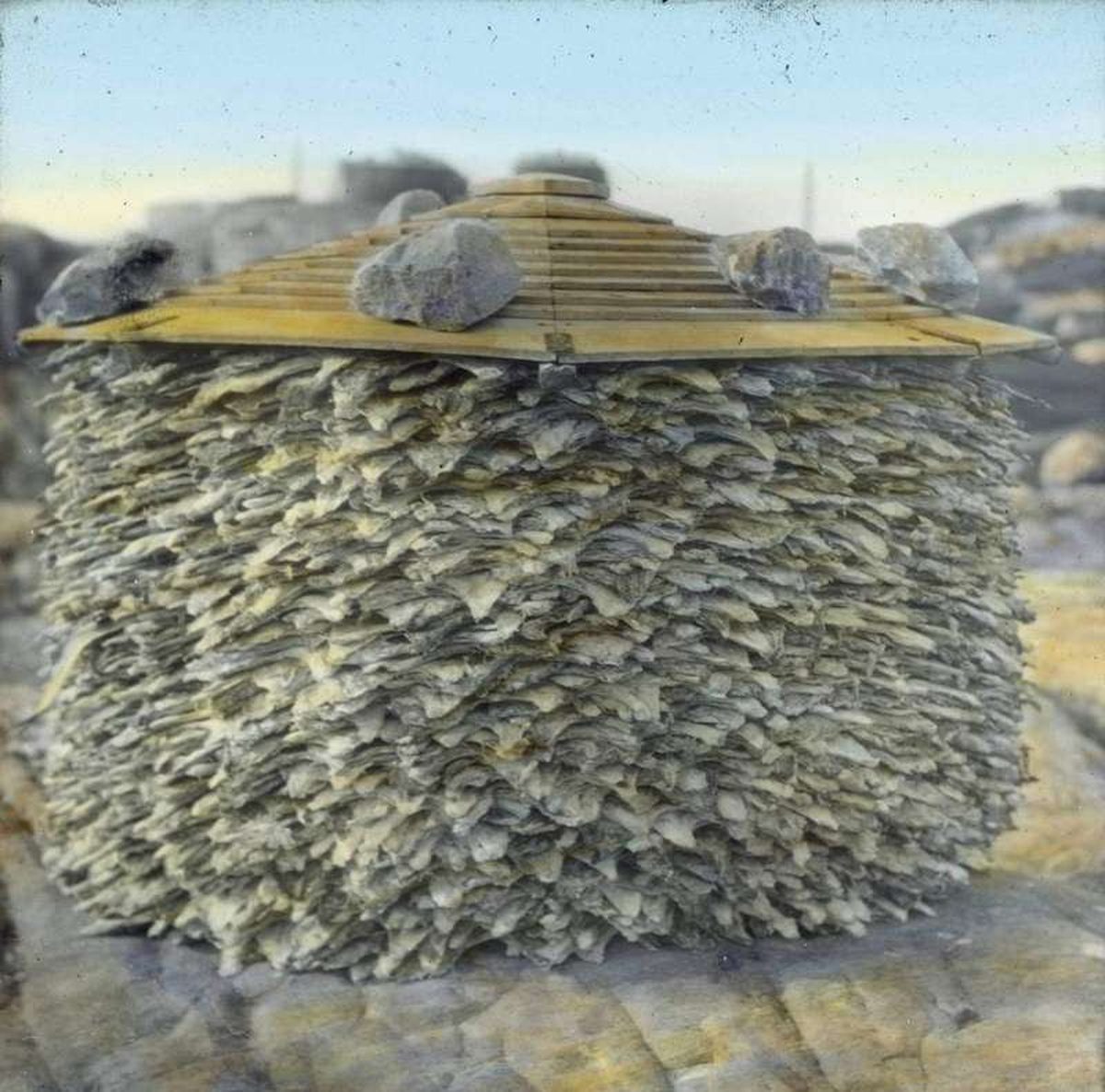
Salt preserves food by pulling water from microbes through osmosis, dropping water activity below 0.91. The science behind curing, explained
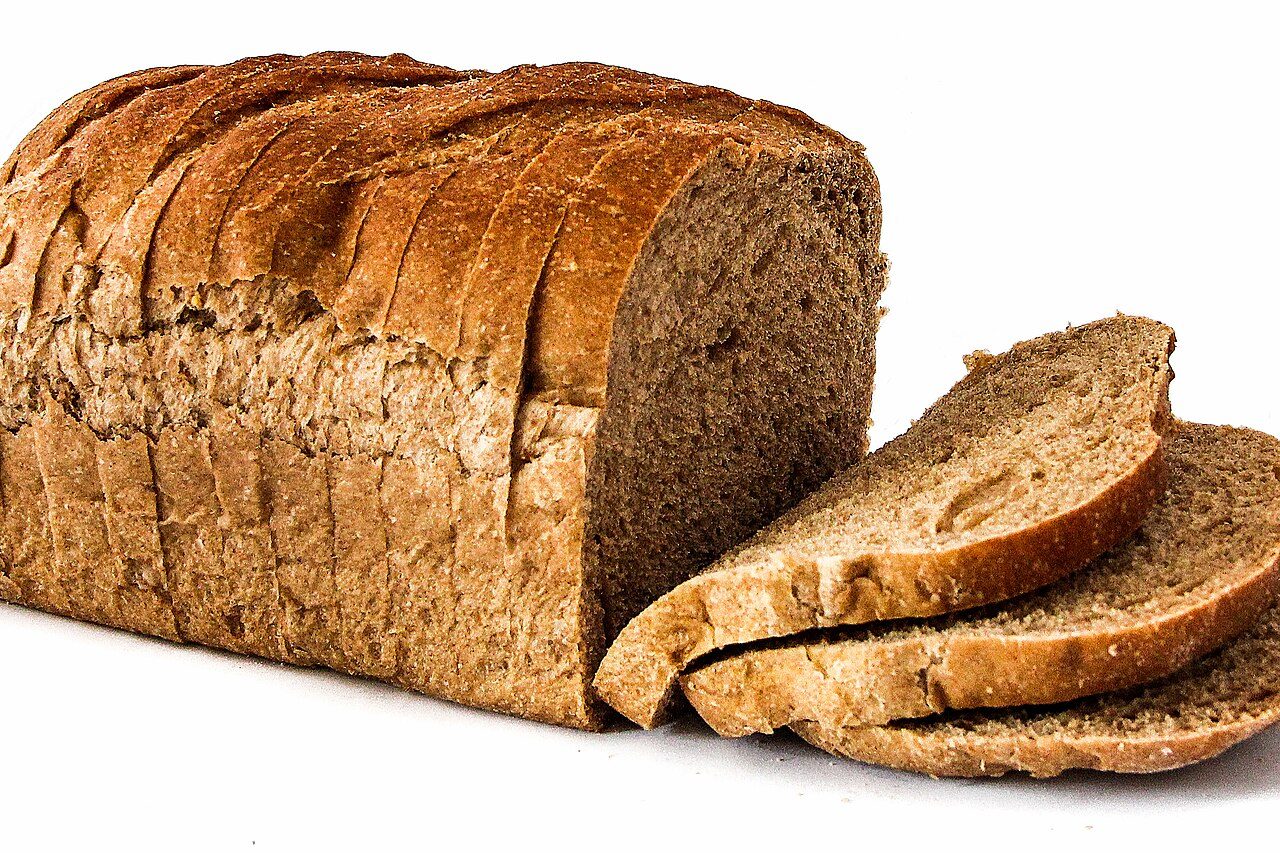
Bread is 40 percent water and loses it to the air while starch re-crystallizes; crackers start dry and drink moisture in. Why staleness runs
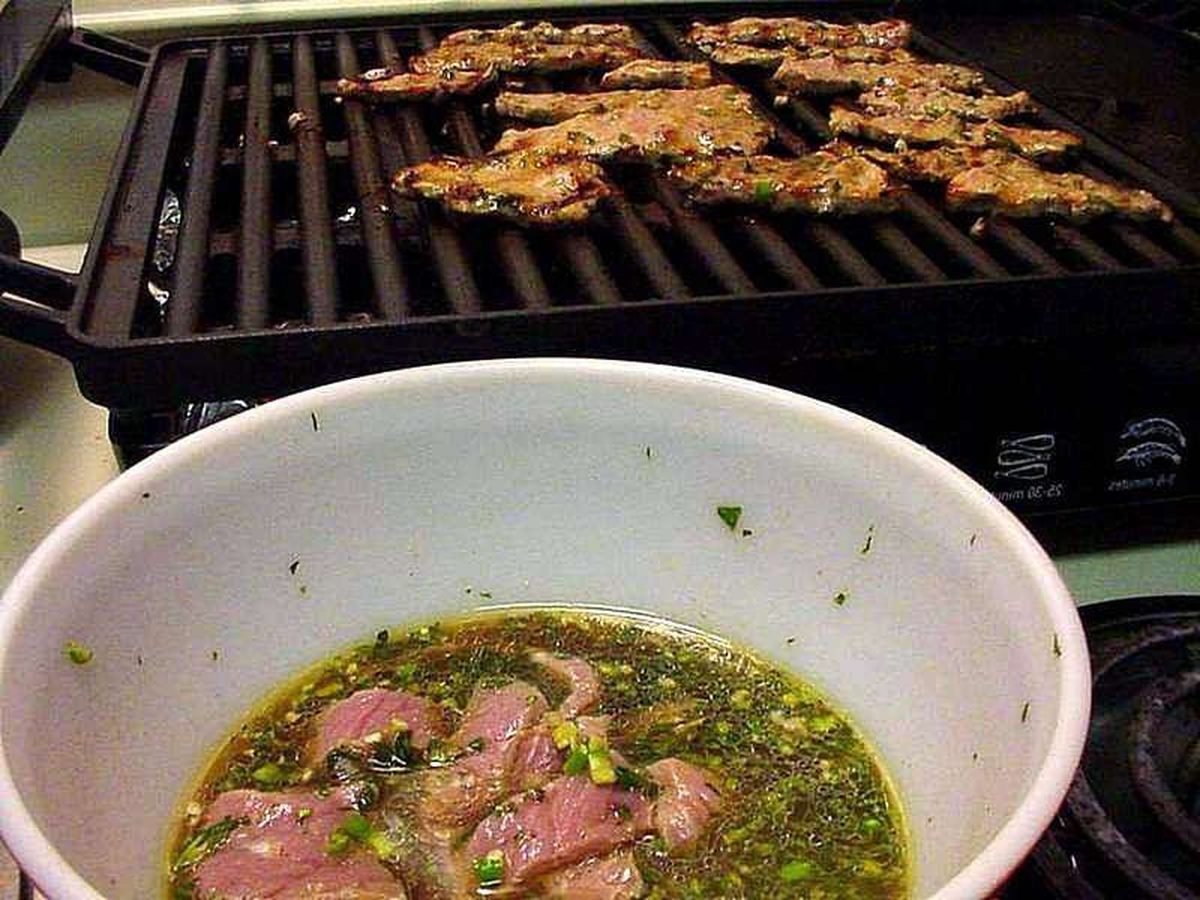
Resting meat lets carryover heat finish cooking while relaxing fibers hold their juices. Cut too soon and the board floods. The physics behi