Sports
How to Choose a Kayak for Beginners: A Simple Buying Guide
The right first kayak depends on water type, hull shape, and fit, not brand. Here is how beginners should weigh length, weight, materials, a
 Monday, October 12, 2026
The latest sports explainers on Rive News: sourced, human-written guides.
The right first kayak depends on water type, hull shape, and fit, not brand. Here is how beginners should weigh length, weight, materials, a
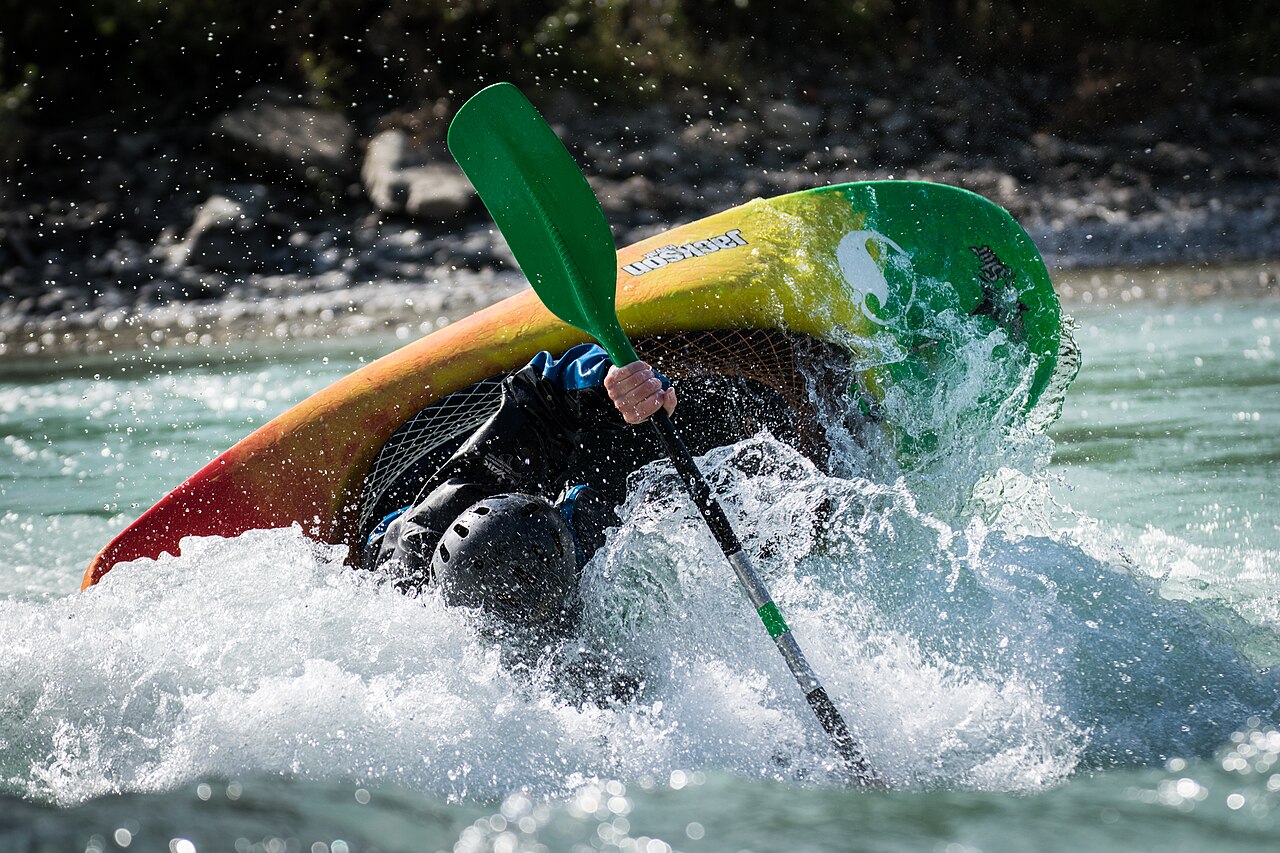
Kayaks tip when the paddler's weight moves past the hull's tipping point. Instructors explain hull stability, the brace stroke, and how to s
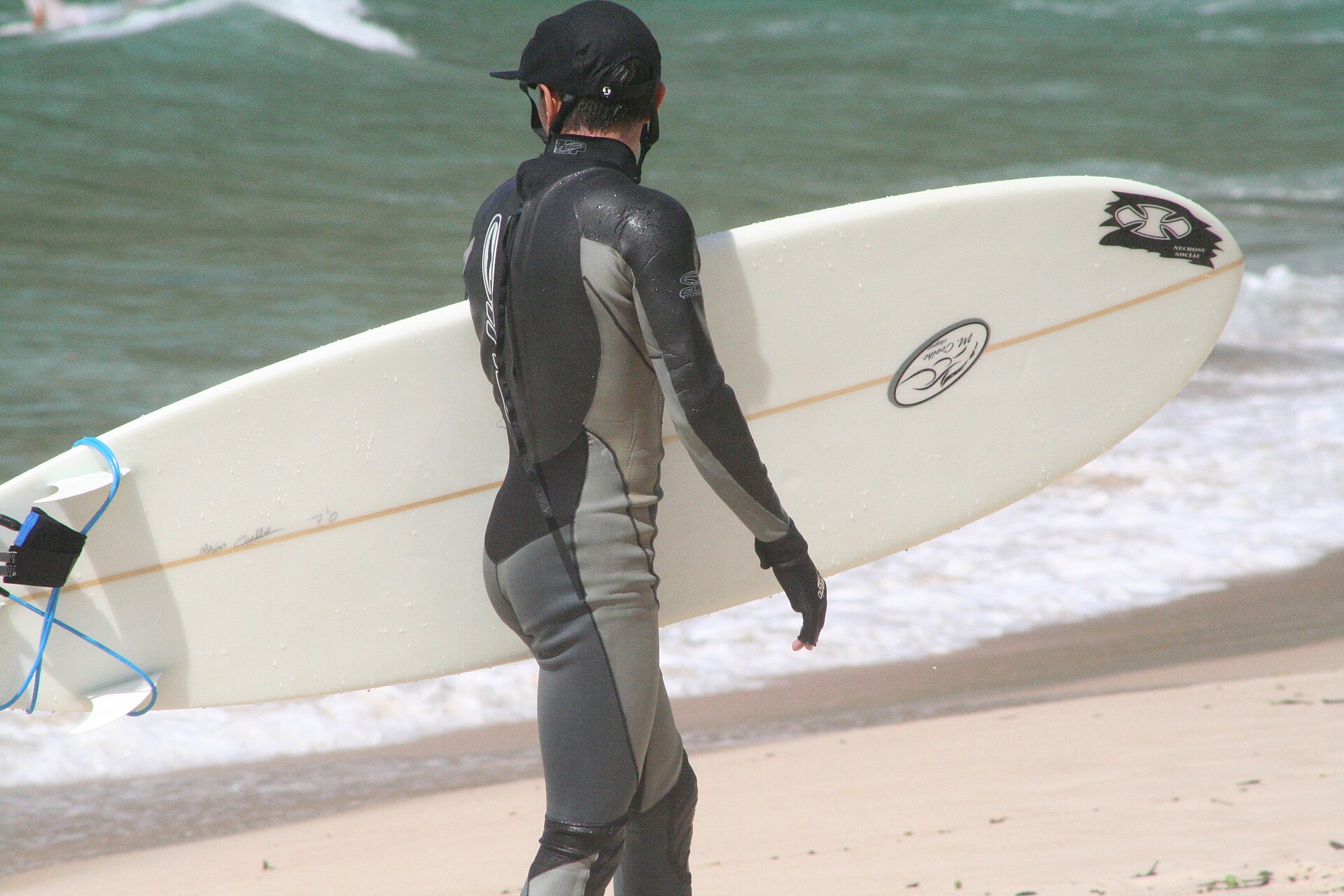
Water that feels fine can still trigger cold water shock and drain your strength. Learn how neoprene wetsuits work and which thickness your
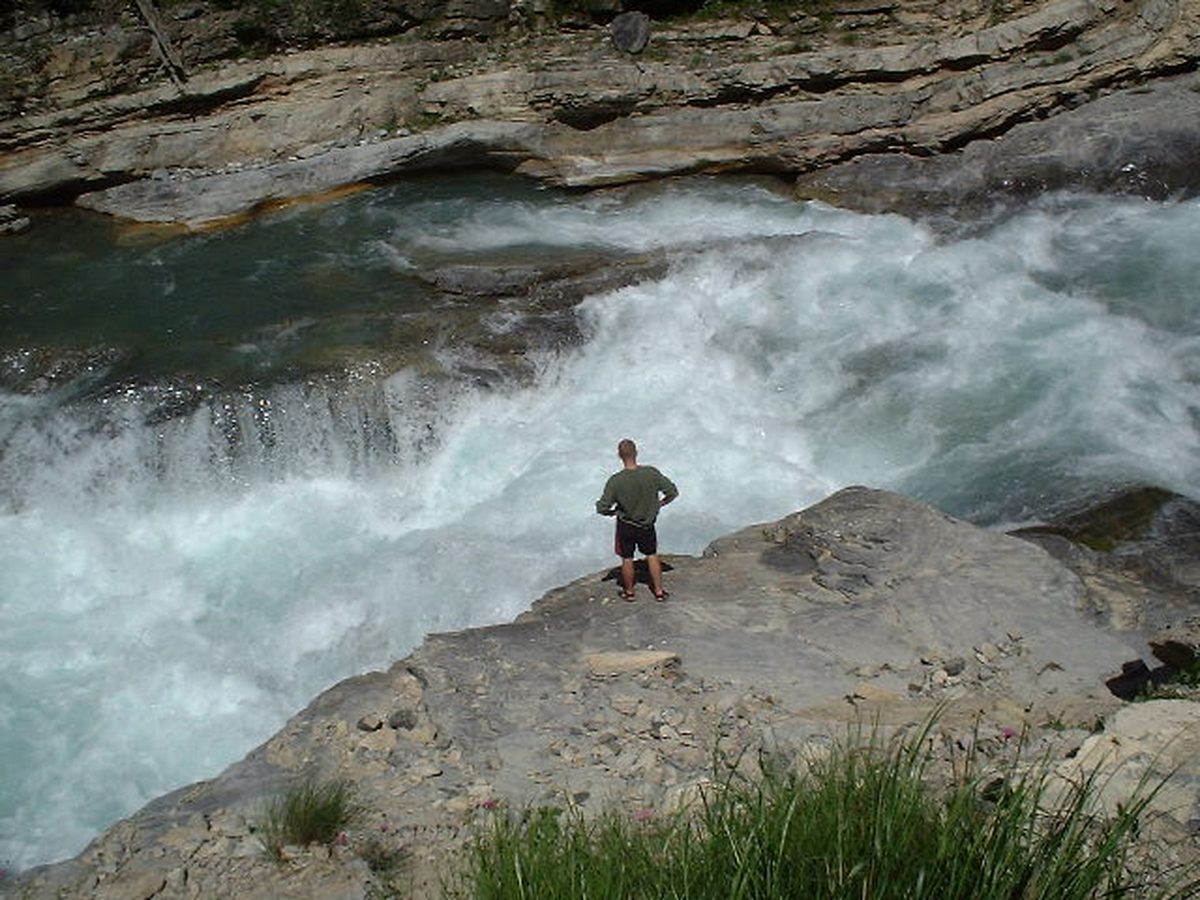
Rivers telegraph their hazards: V shapes, eddies, strainers, horizon lines. Learn to decode them, plus the Class I to VI scale, before you s
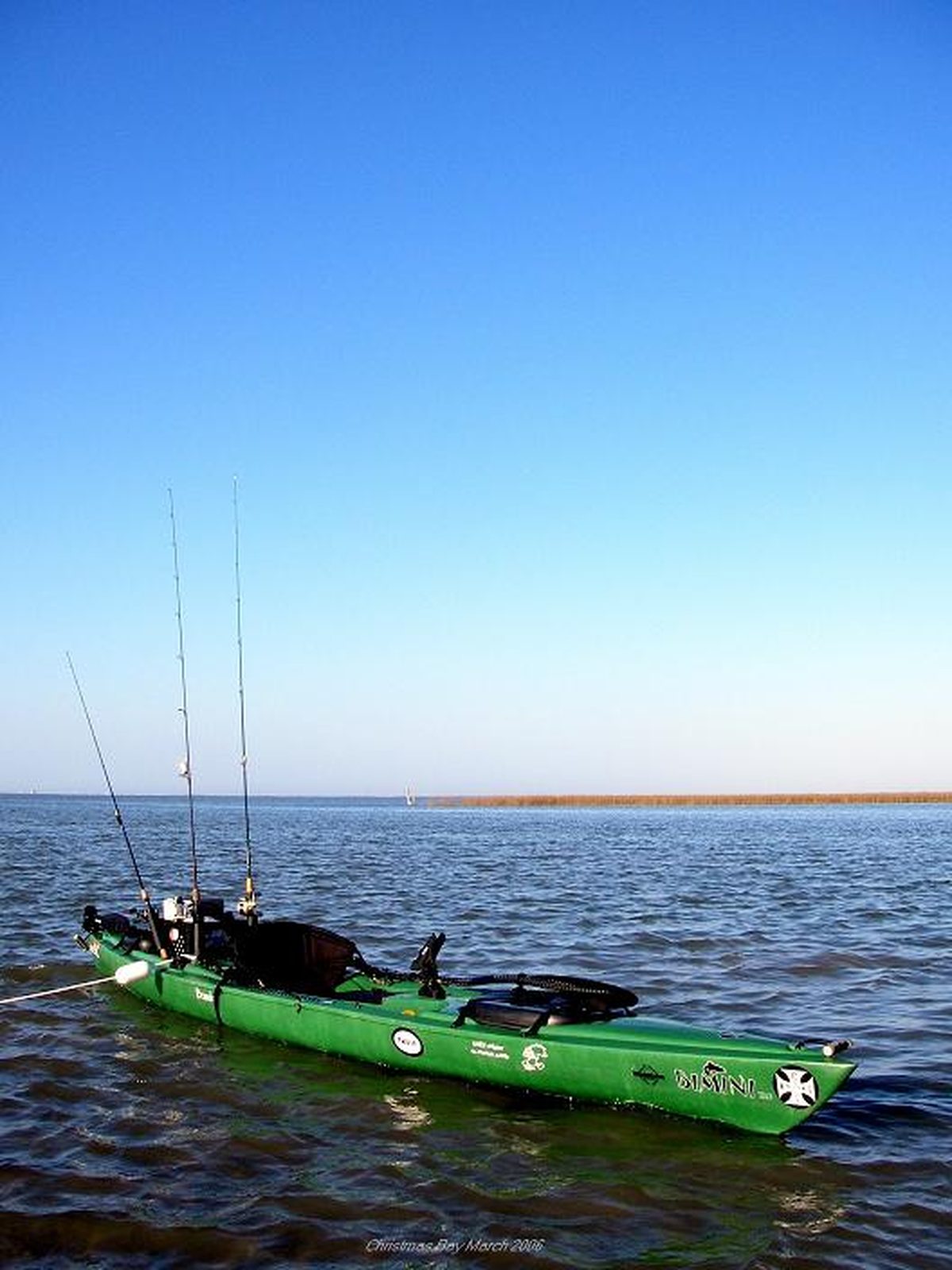
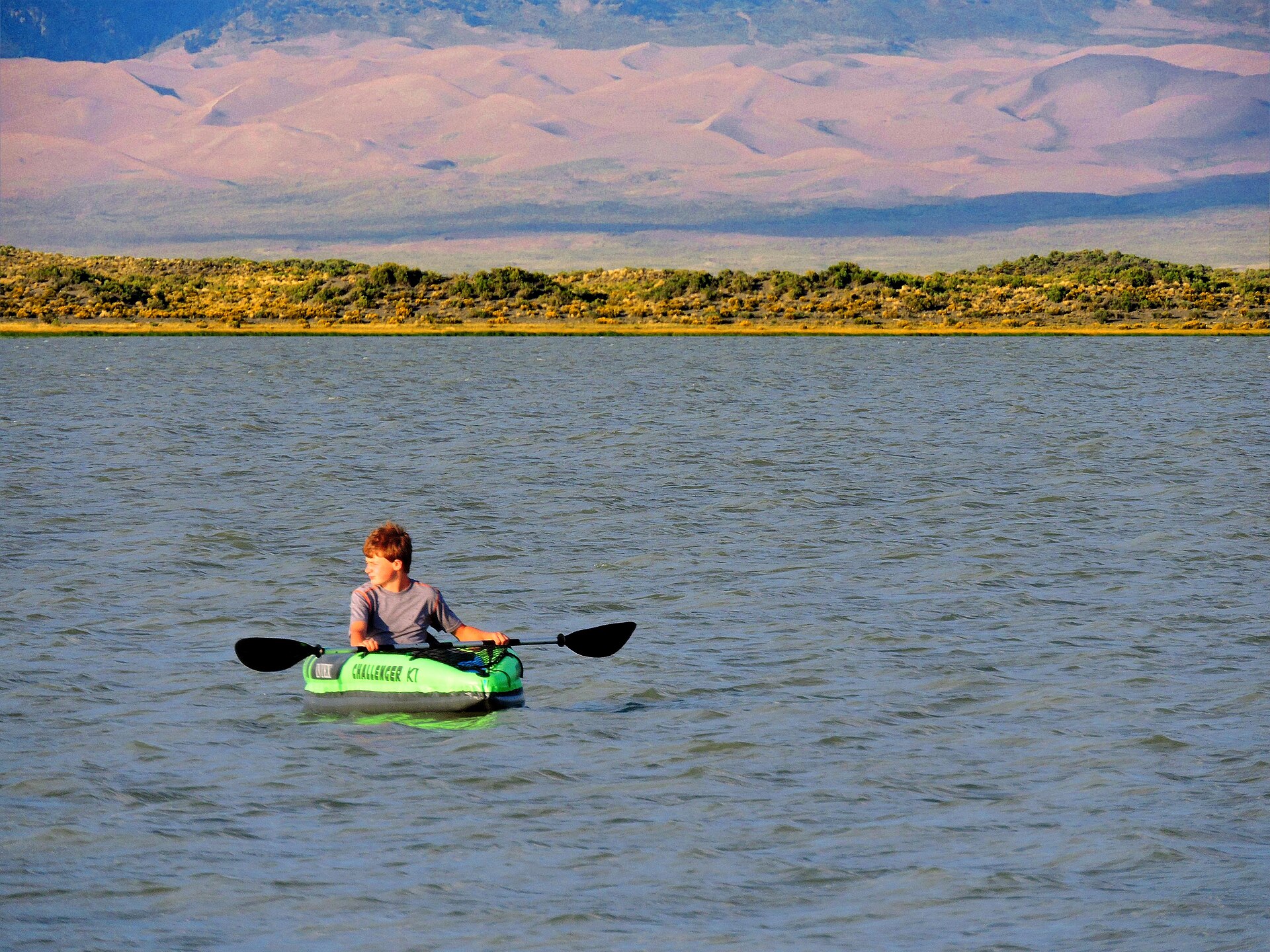
Sit-on-top kayaks are easy to board and self-bail; sit-insides are faster, lighter, and drier. Compare the two designs to find the one that
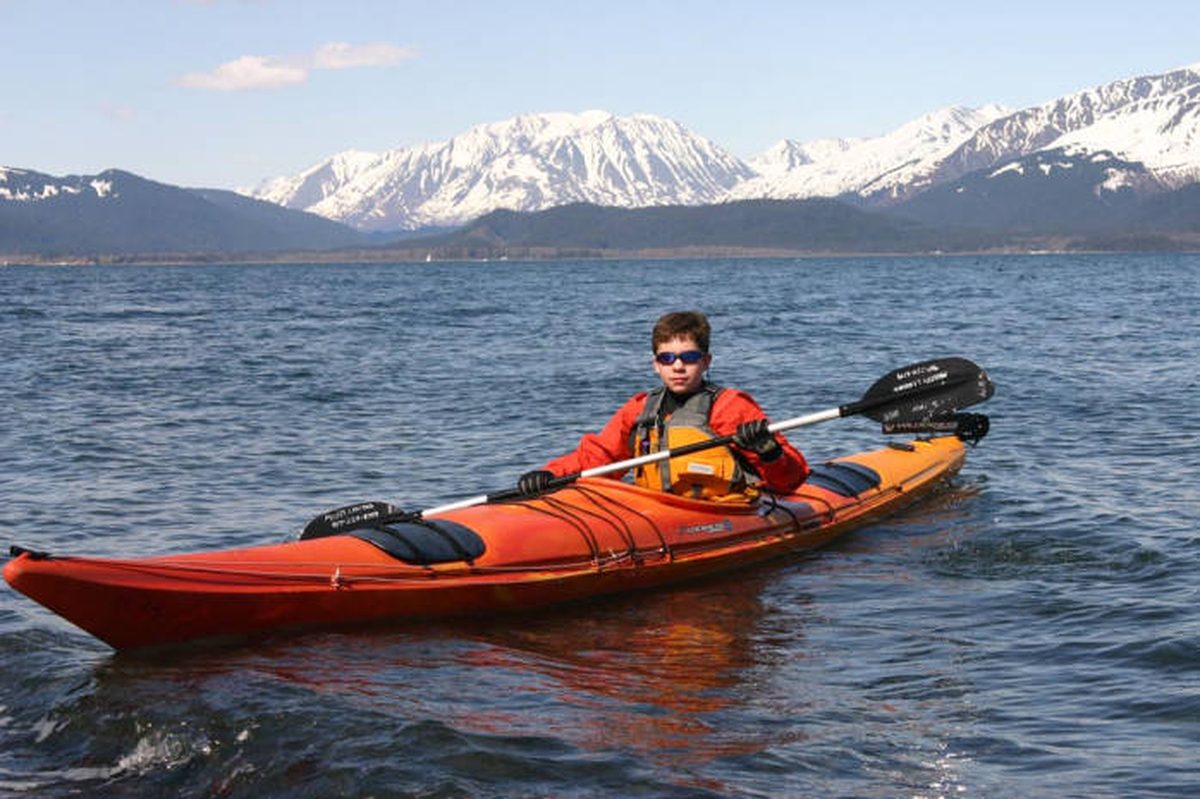
Dress for the water temperature when kayaking in cold water: a wetsuit or drysuit, synthetic layers, no cotton, because cold shock can kill
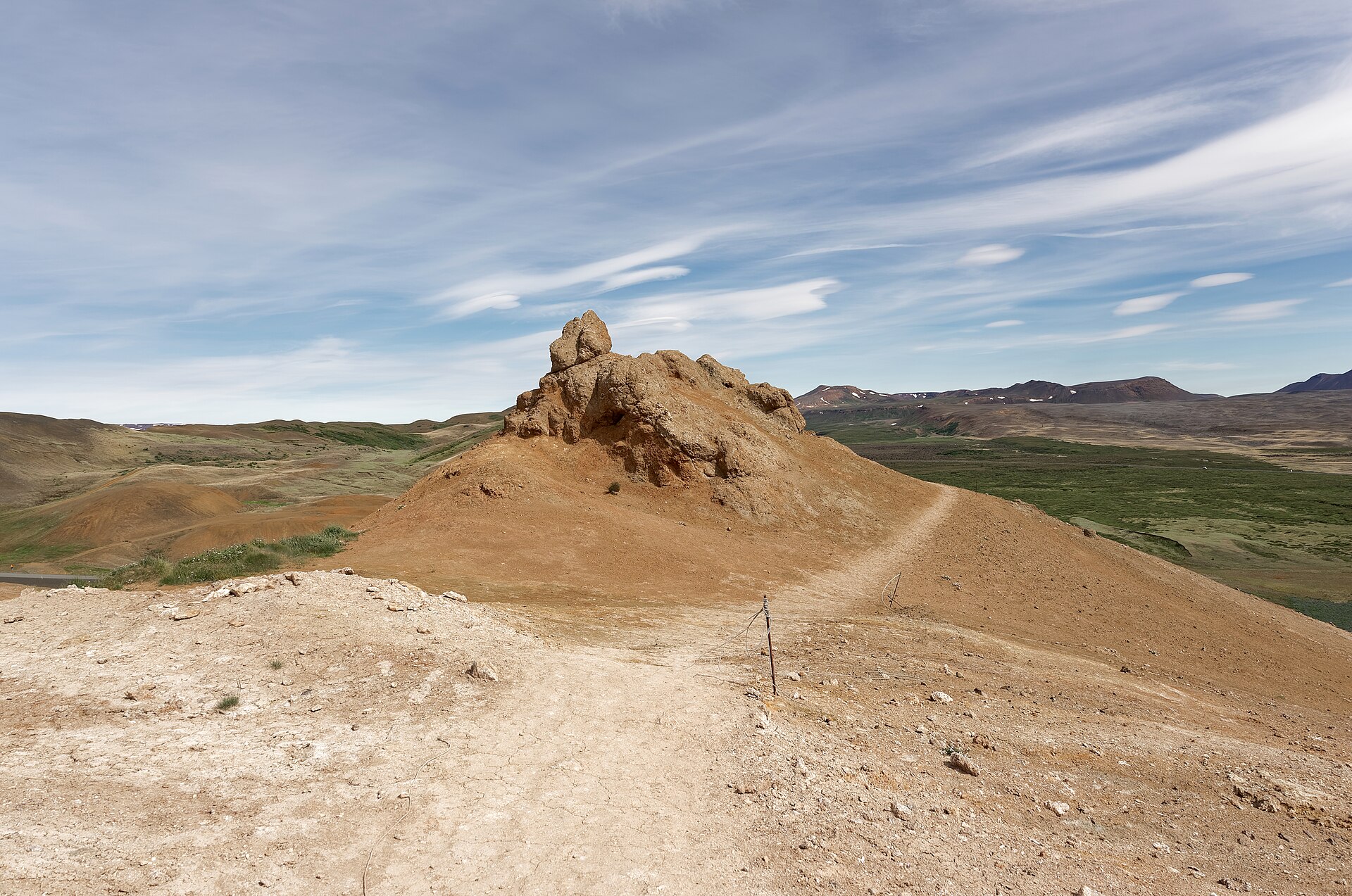
Hiking covers 4 to 50 km on marked trails in a day. Trekking spans 50+ km over multiple days in rugged terrain. Learn the real differences h
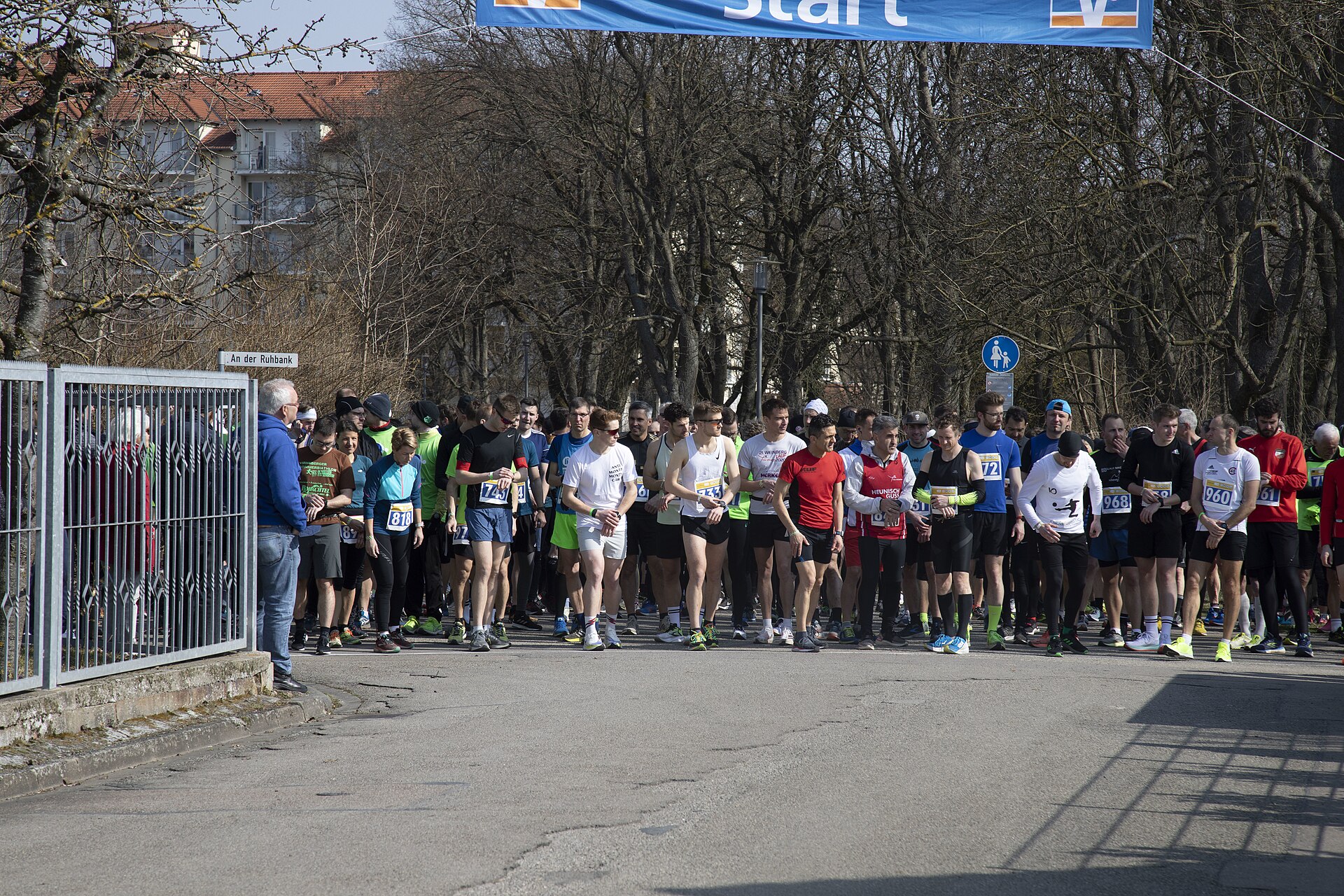
A good beginner 5K time is 35 to 50 minutes. Under 40 minutes is a strong start. See real benchmarks by experience level and how to improve.
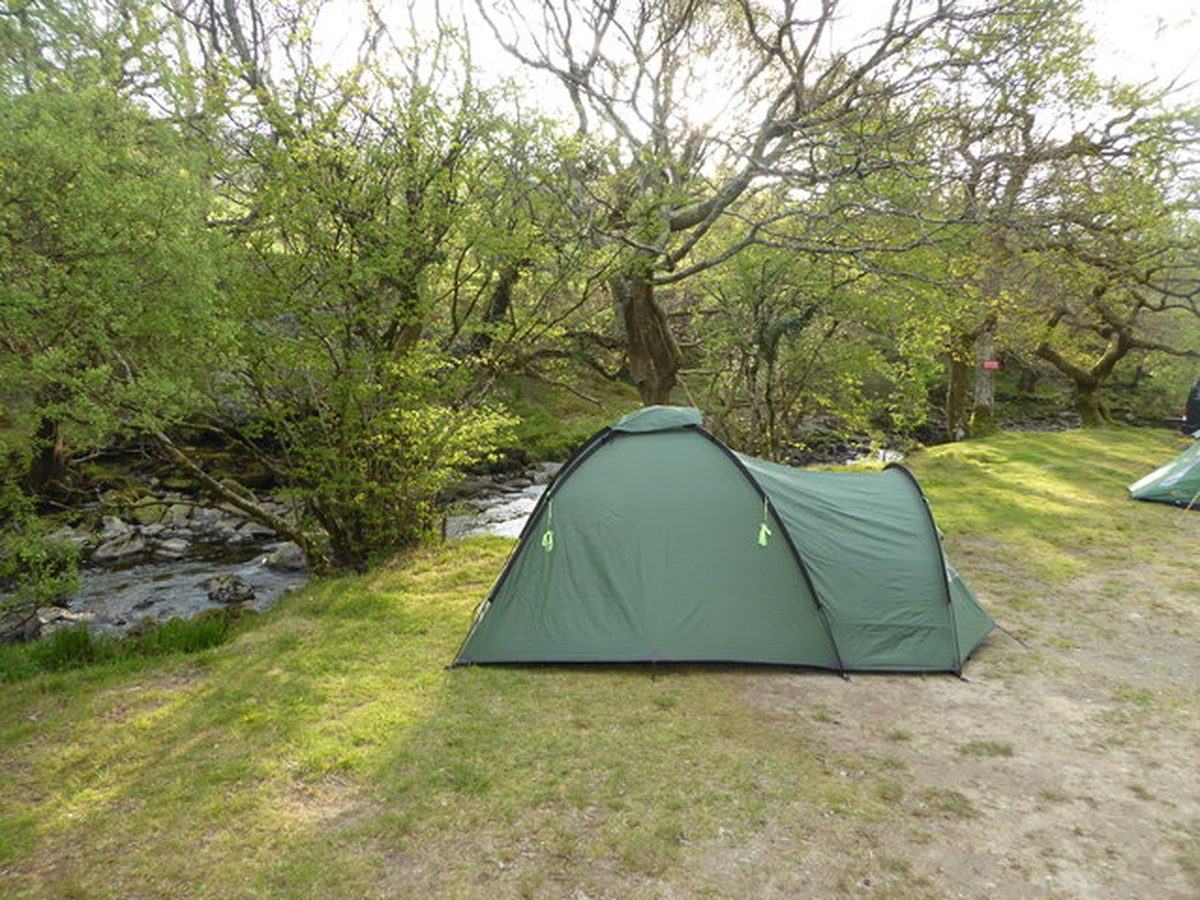
Leave No Trace is a 7-principle ethics code for the outdoors: plan ahead, camp on durable surfaces, pack out waste, respect wildlife, and mo
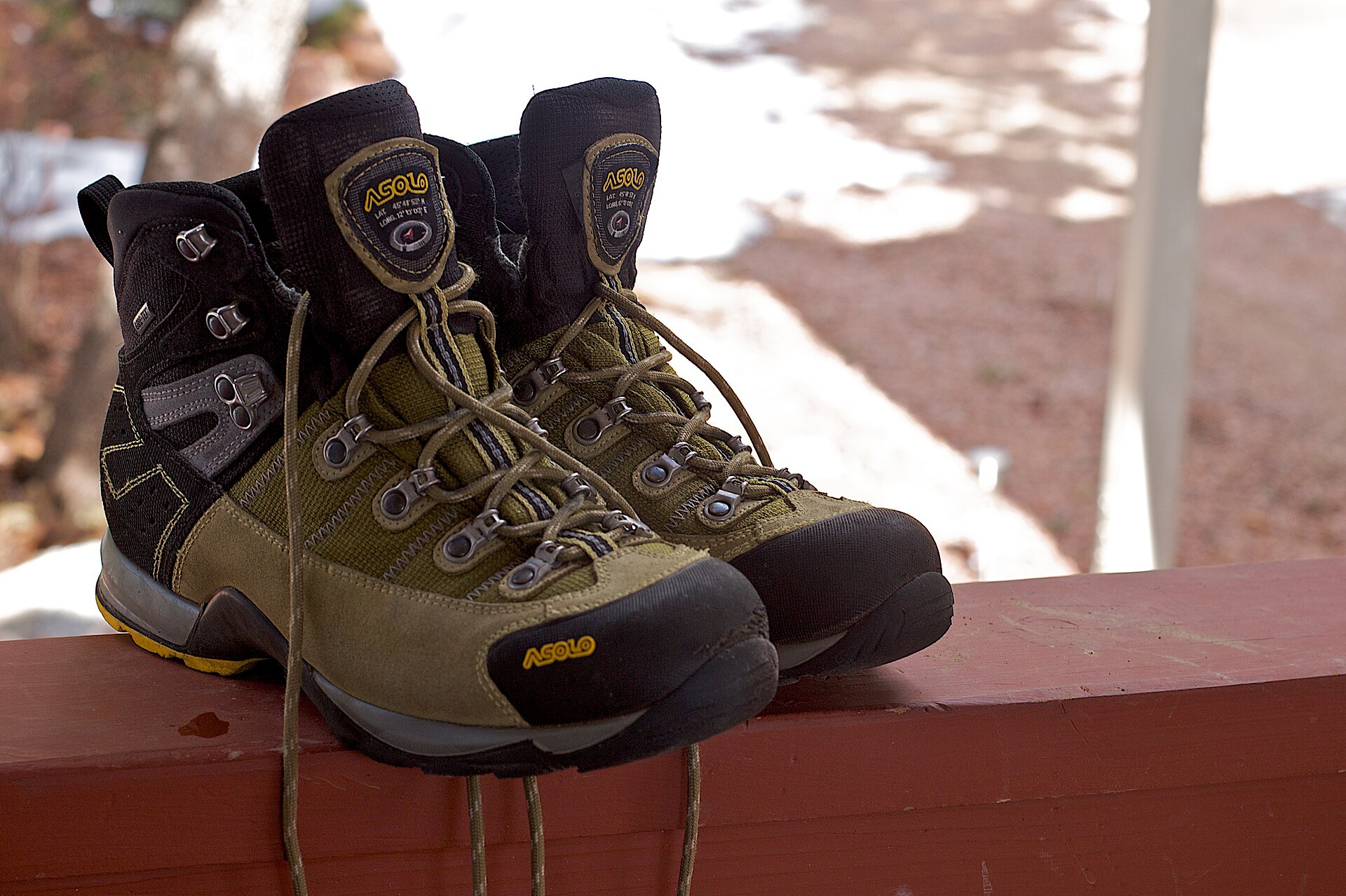
Leather hiking boots need 2 to 4 weeks of gradual wear to mold to your feet. Skipping break-in is the fastest route to blisters and hot spot
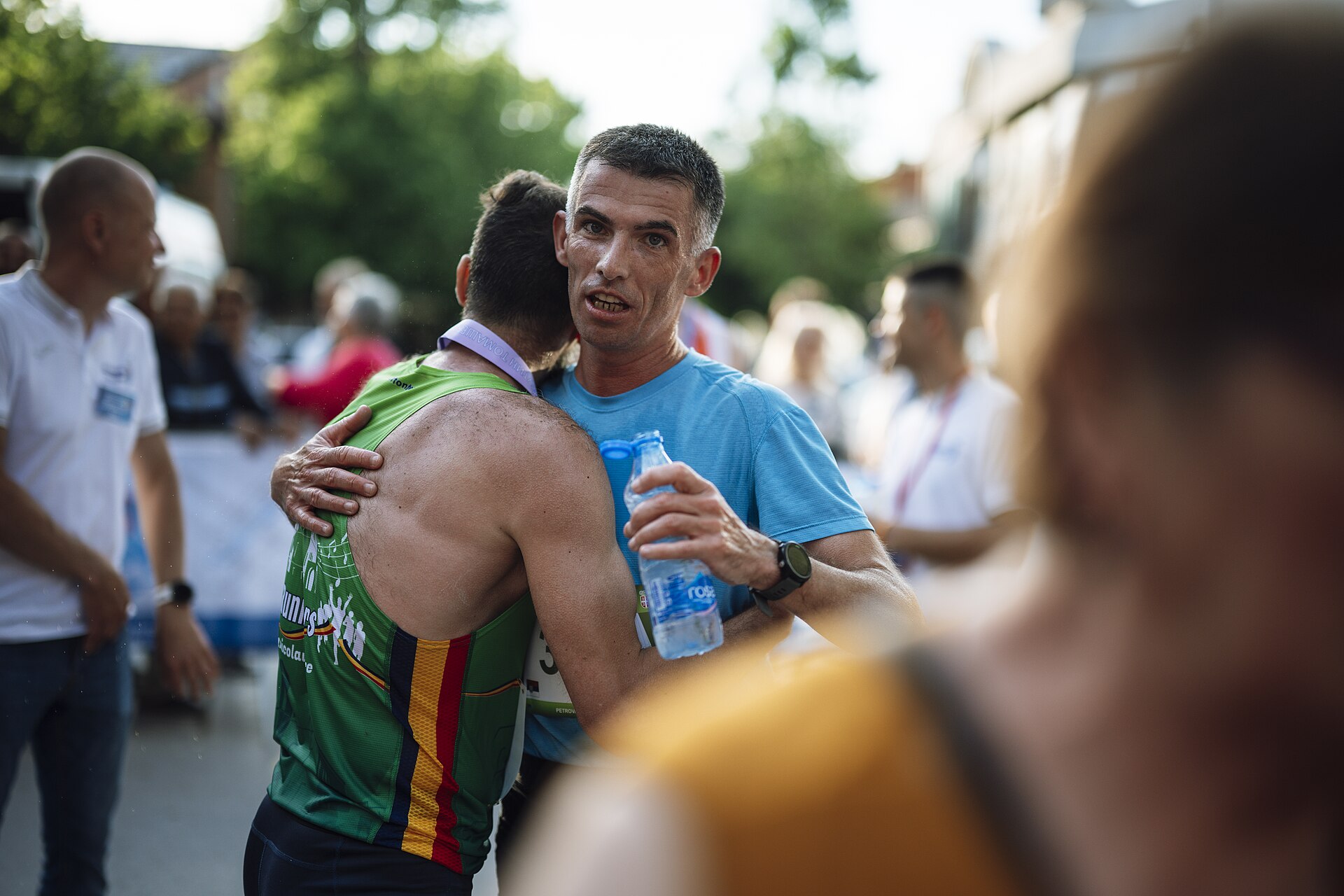
Chafing can strike after just 5 or 6 miles. Learn how anti-chafe balm, moisture-wicking gear, and proper fit keep long runs pain-free and sm
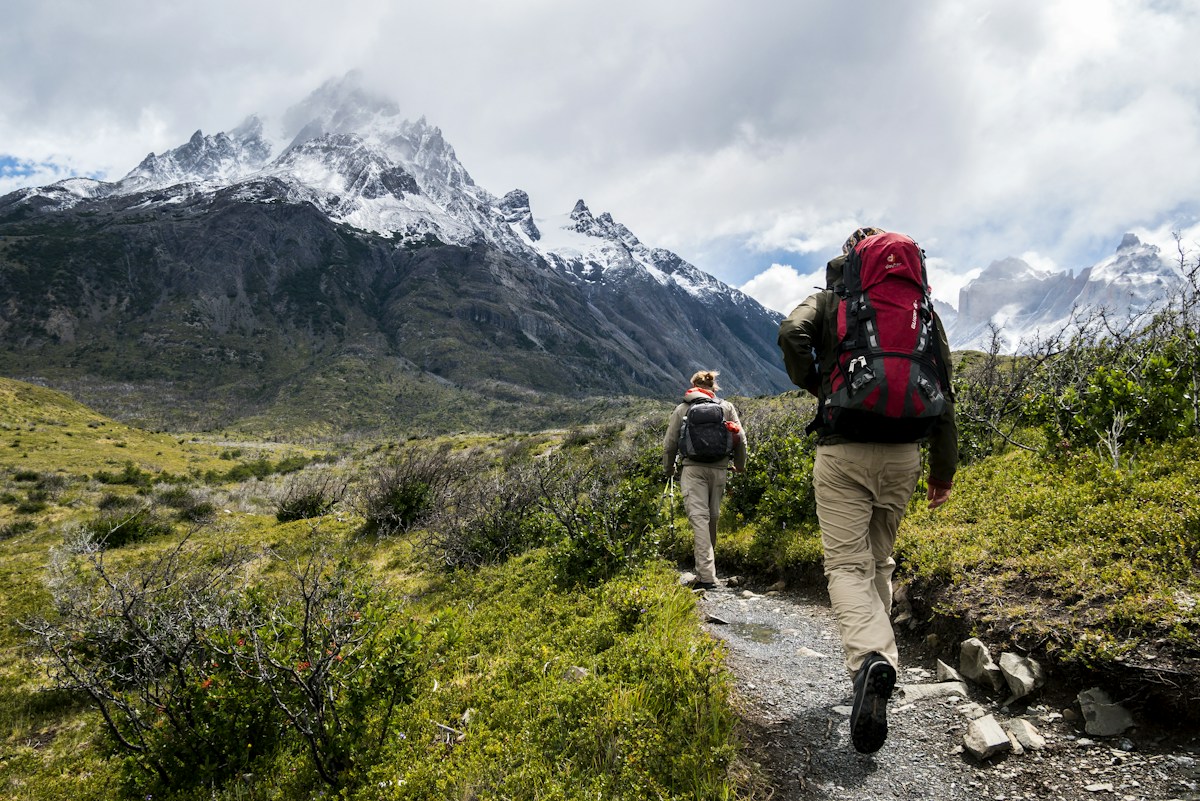
No filter? Boil water 1 minute (3 above 6,500 ft), use 2 drops of bleach per liter for 30 minutes, or try chlorine dioxide, iodine, and sola
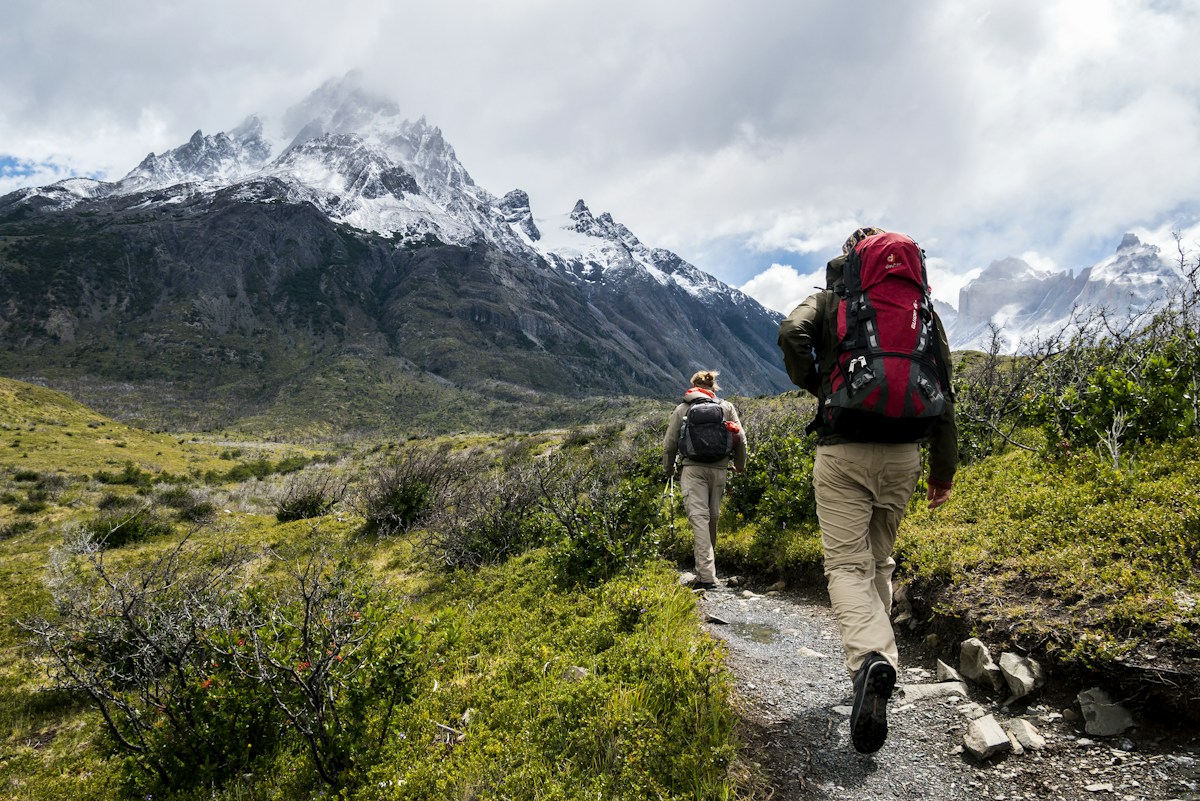
Pack a safe day hike with the Ten Essentials: 2 to 3 liters of water, navigation, sun protection, layers, first aid, emergency shelter, and
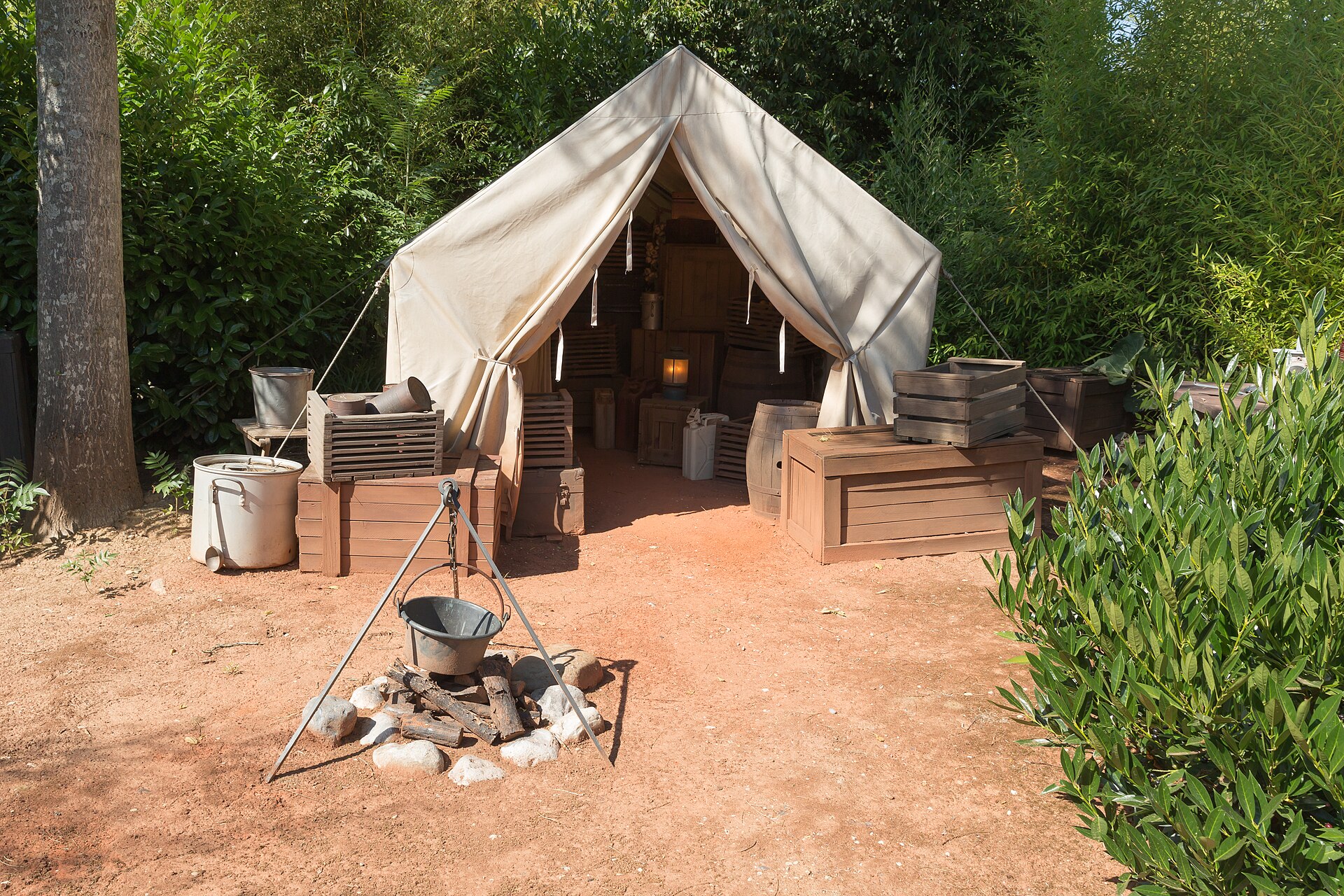
Tent condensation forms when warm, moist breath meets cold tent fabric overnight. Learn why it happens, what makes it worse, and proven ways
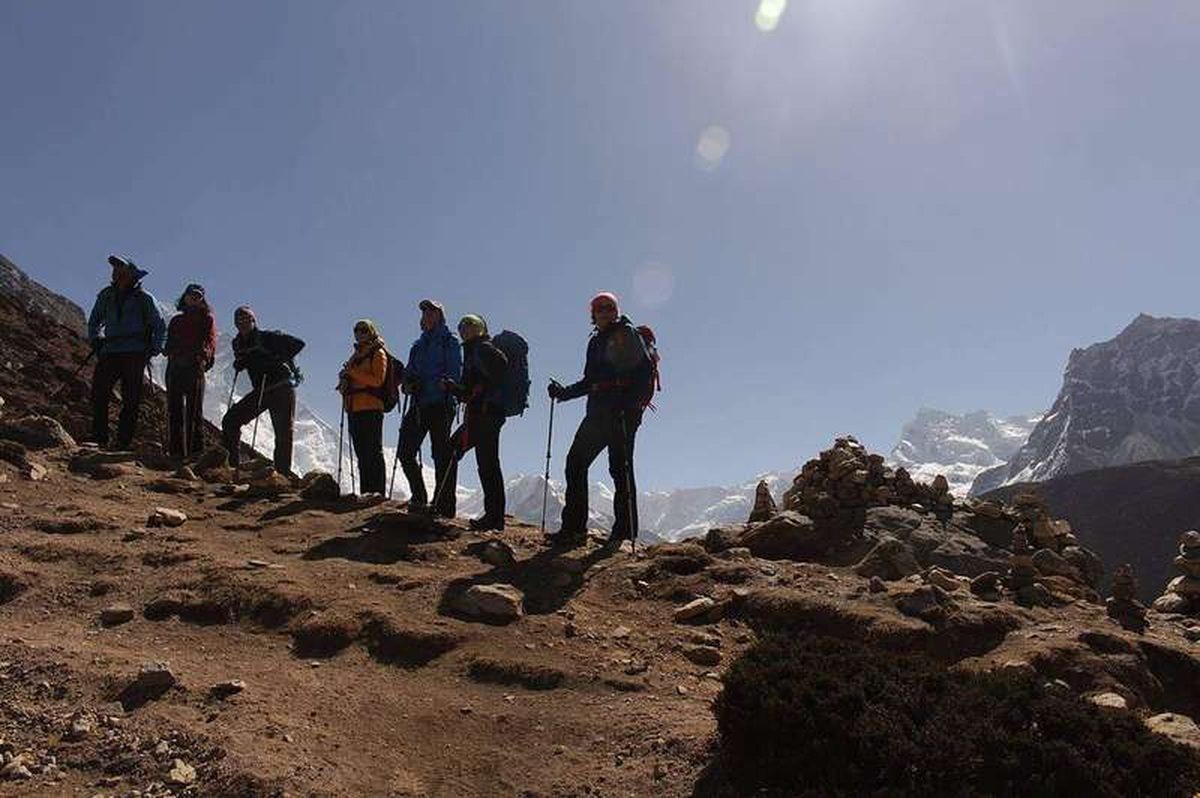
Altitude sickness hits some people harder because of genetics, ascent speed, and prior history, not fitness level. Here is what raises risk
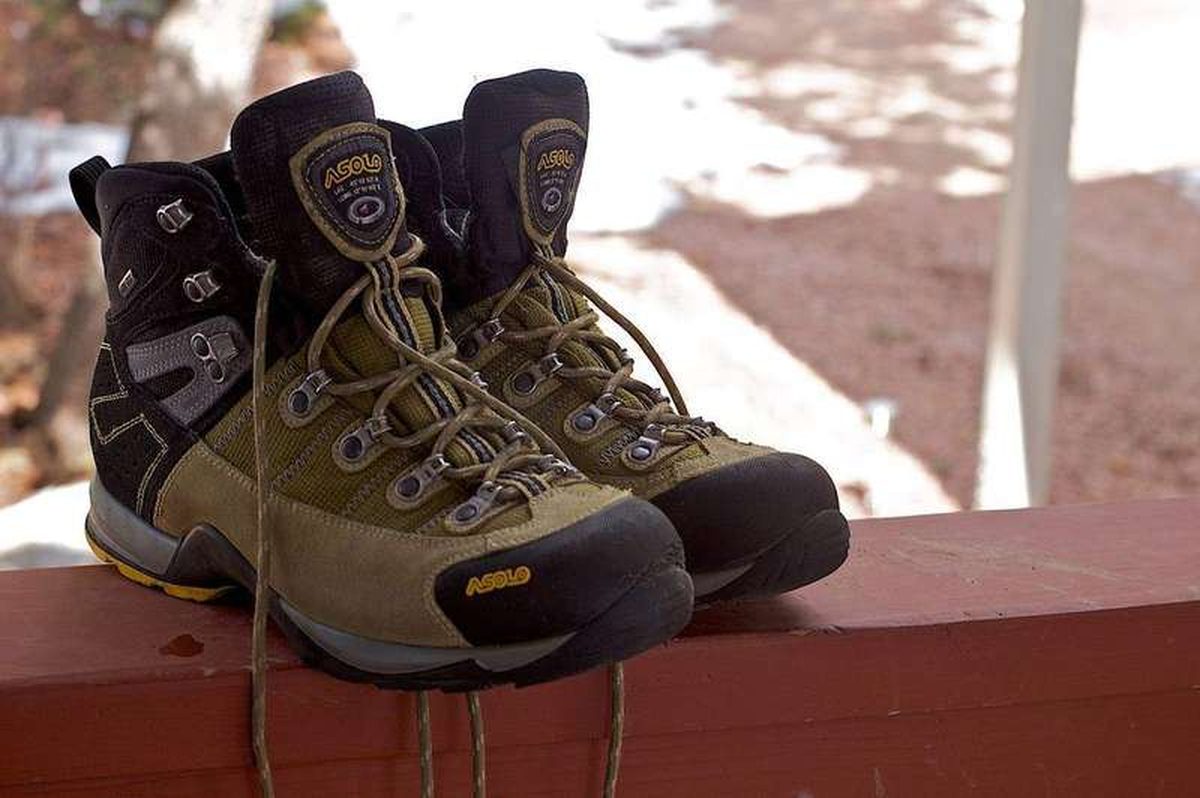
Friction plus moisture plus heat equals a blister. Learn why hiking breeds all three, and the boots, socks, and tape system that keeps hiker
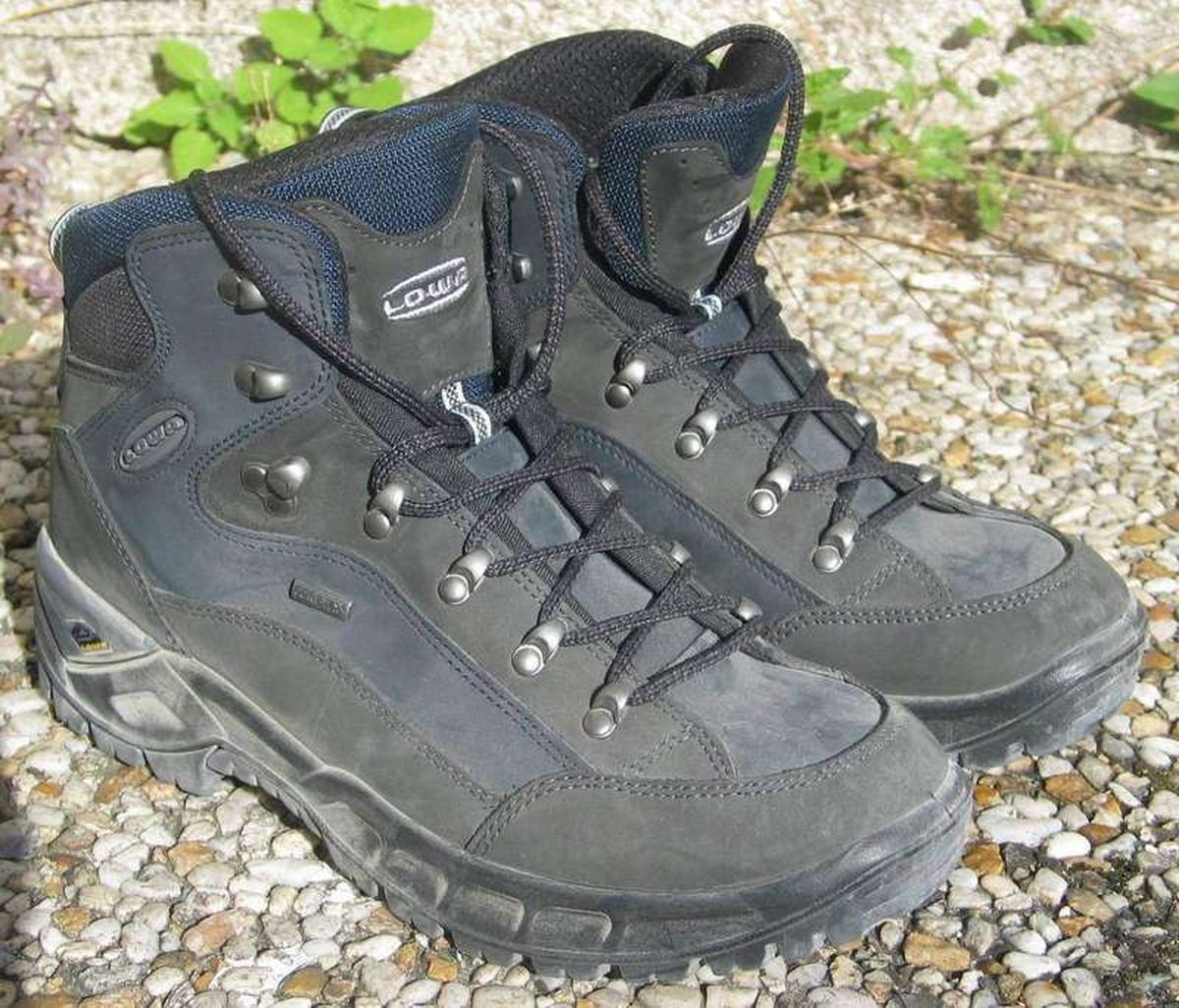
Beginners should buy for fit first: snug everywhere, tight nowhere, with a thumb's width at the toes. Here is how to size, test, and break i
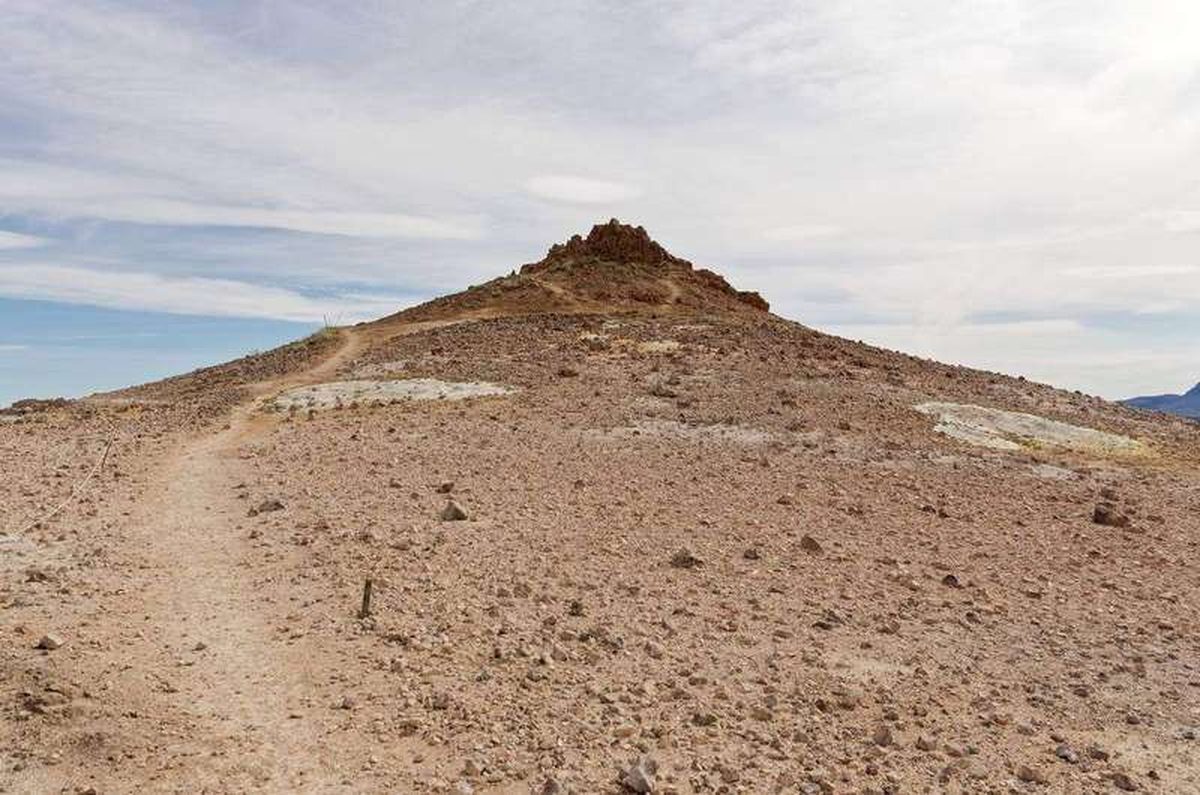
Hiking trail difficulty ratings work differently by system: the US Yosemite Decimal System and Europe's SAC scale from T1 to T6. Learn to re
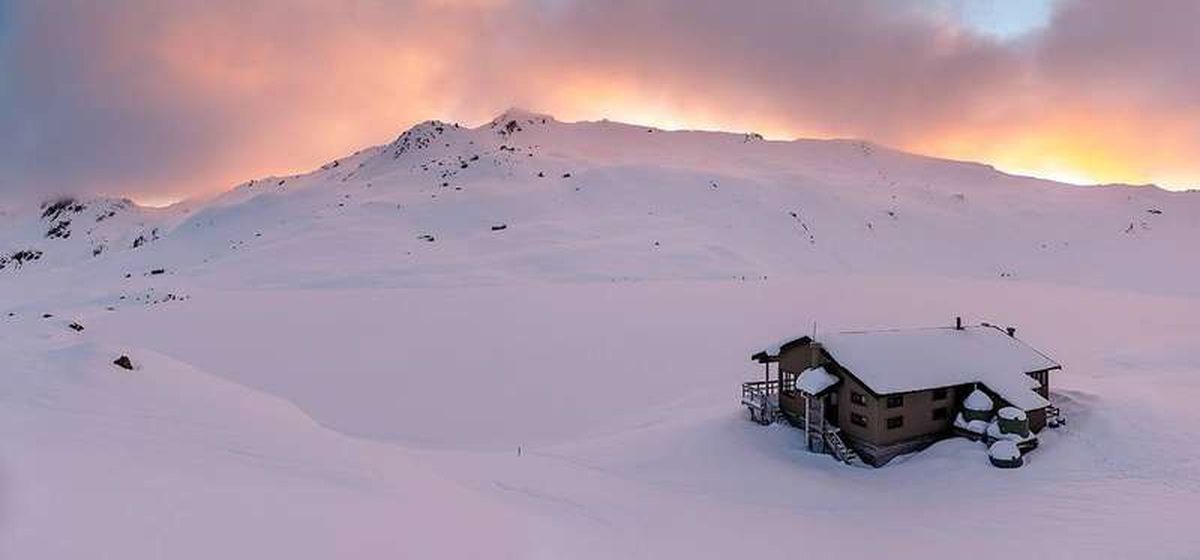
Cold-weather hiking comes down to three layers: a wicking base, an insulating mid, and a weatherproof shell. Skip cotton, start cold, and ve
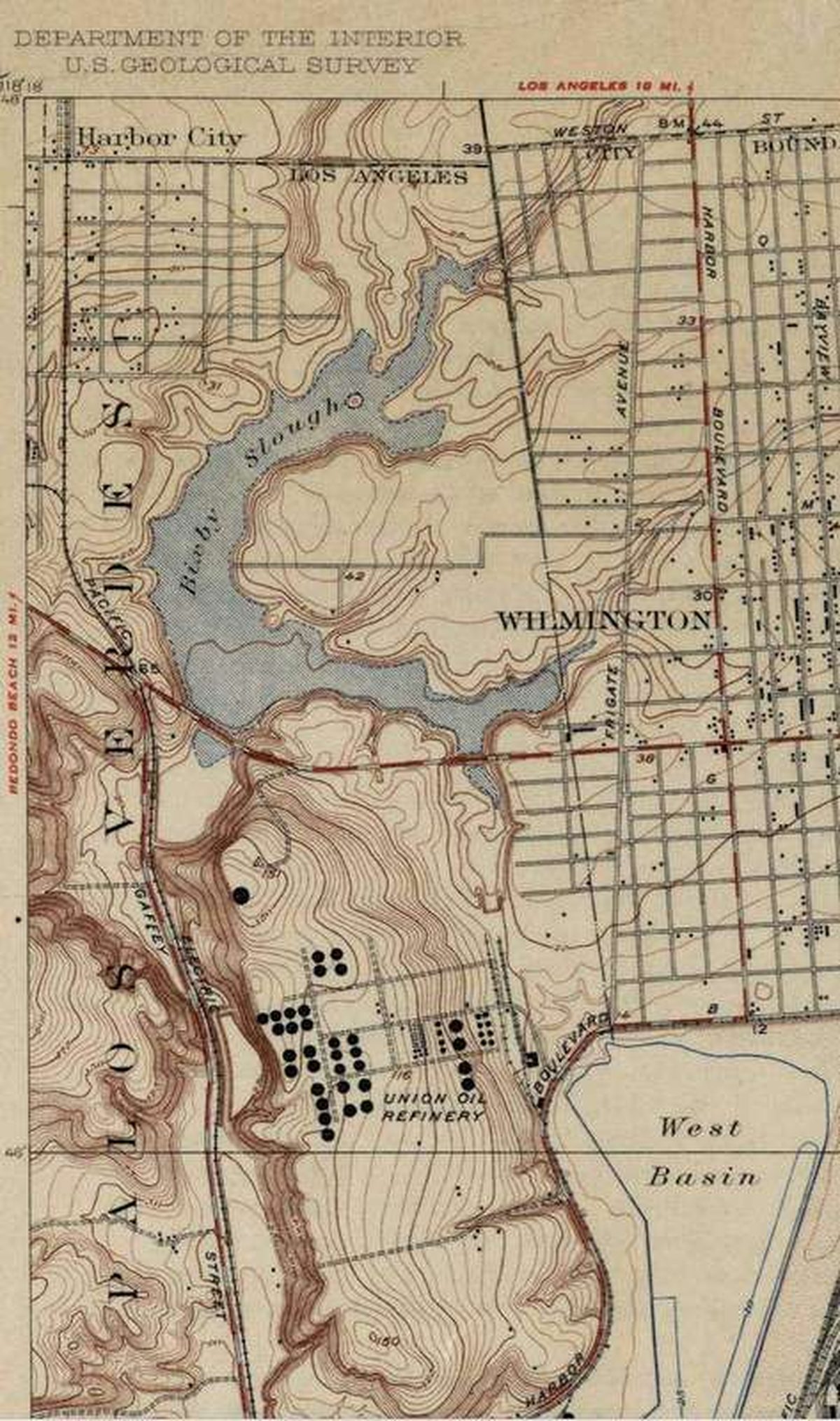
Contour lines turn a flat trail map into 3D terrain. Learn to read intervals, spot steep climbs, and estimate elevation gain before your nex
Lost hiking? The STOP protocol (Sit, Think, Observe, Plan) is the US Forest Service method. Each step explained, plus the prep that prevents
Hate running? Start with walk-run intervals of 30 seconds jogging and 30 seconds walking. Jeff Galloway's method took all beginners to 5K in