Home
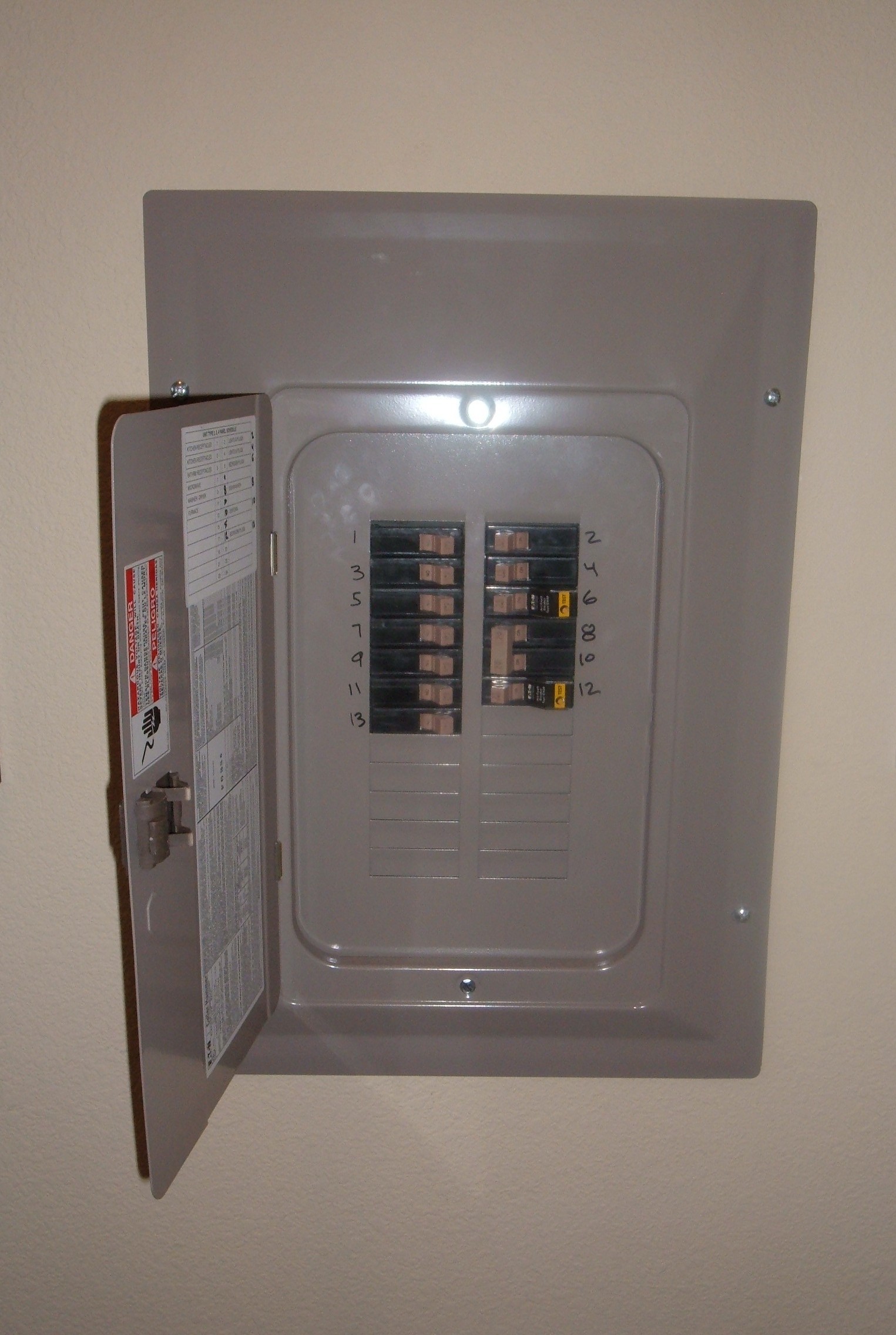
Why Does Your Circuit Breaker Keep Tripping After You Reset It?
A breaker that trips again after a reset points to an overload, short circuit, ground fault, or worn breaker. Here is how to spot your cause
 Monday, October 12, 2026
The latest home explainers on Rive News: sourced, human-written guides.
A breaker that trips again after a reset points to an overload, short circuit, ground fault, or worn breaker. Here is how to spot your cause
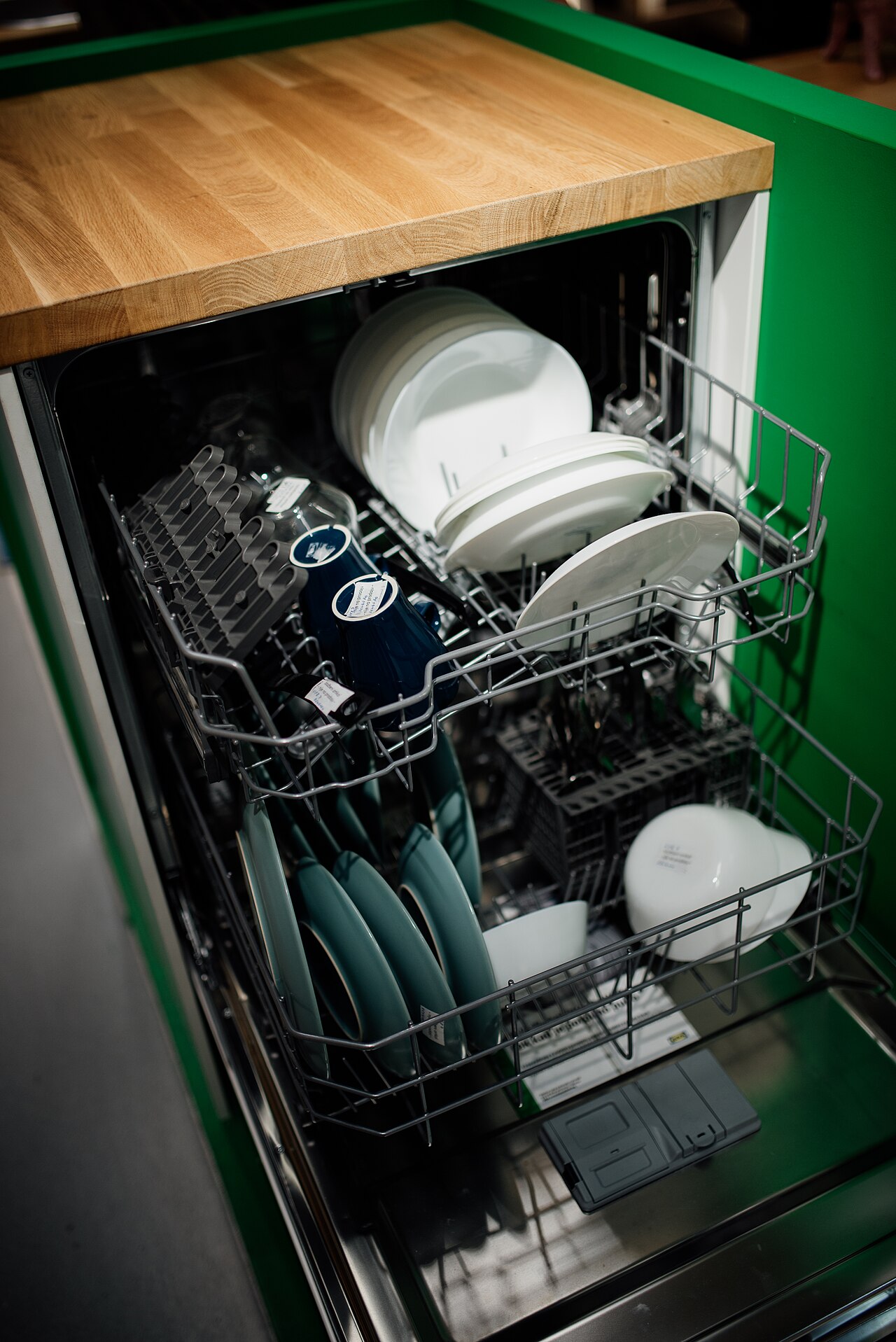
Spotted glasses usually mean hard water minerals, too much detergent, or an empty rinse aid dispenser. Diagnose the cause and fix it with th
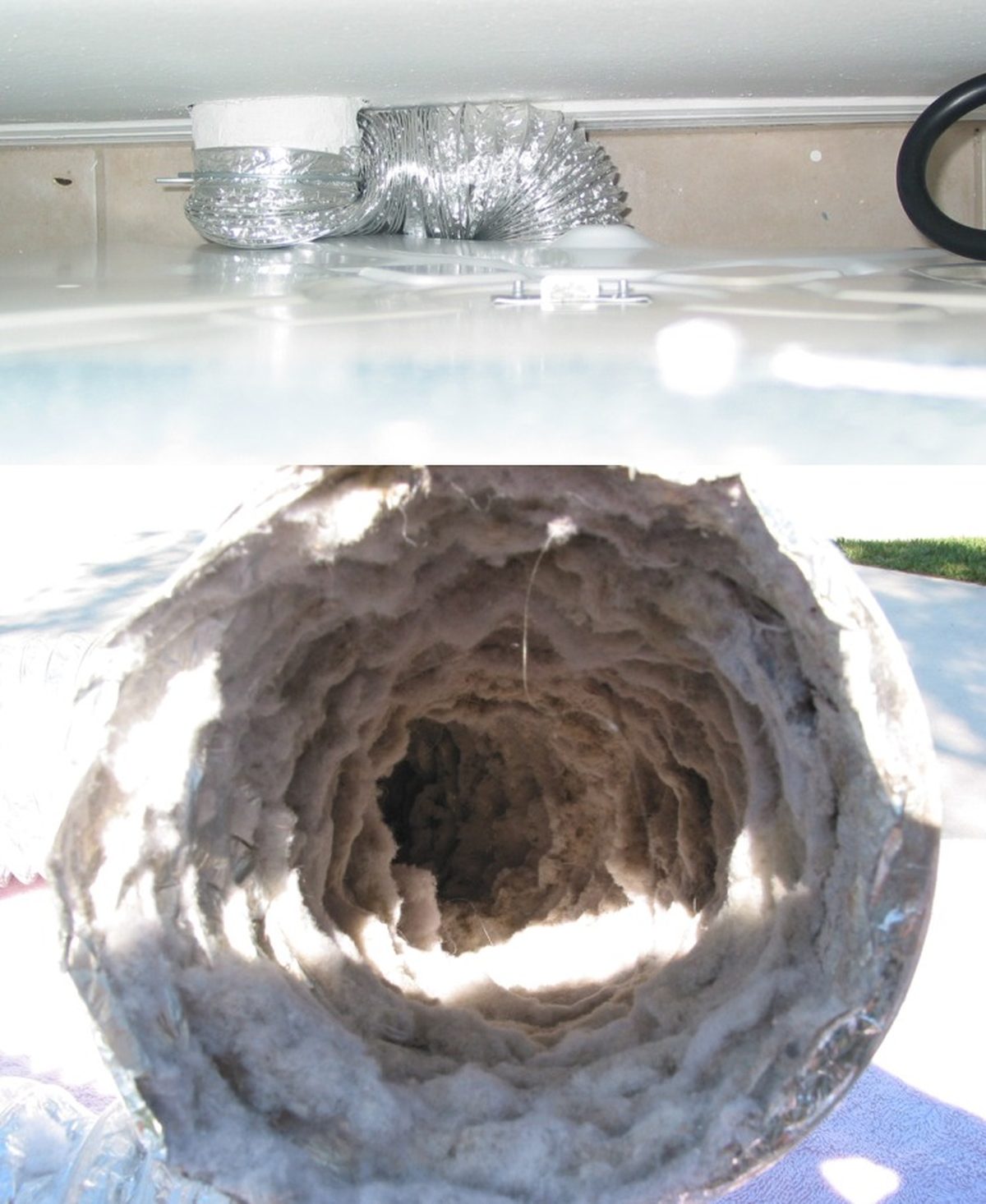
A dryer that needs two cycles usually has blocked airflow, not a dead part. Here are the five most common causes, from clogged vents to faul
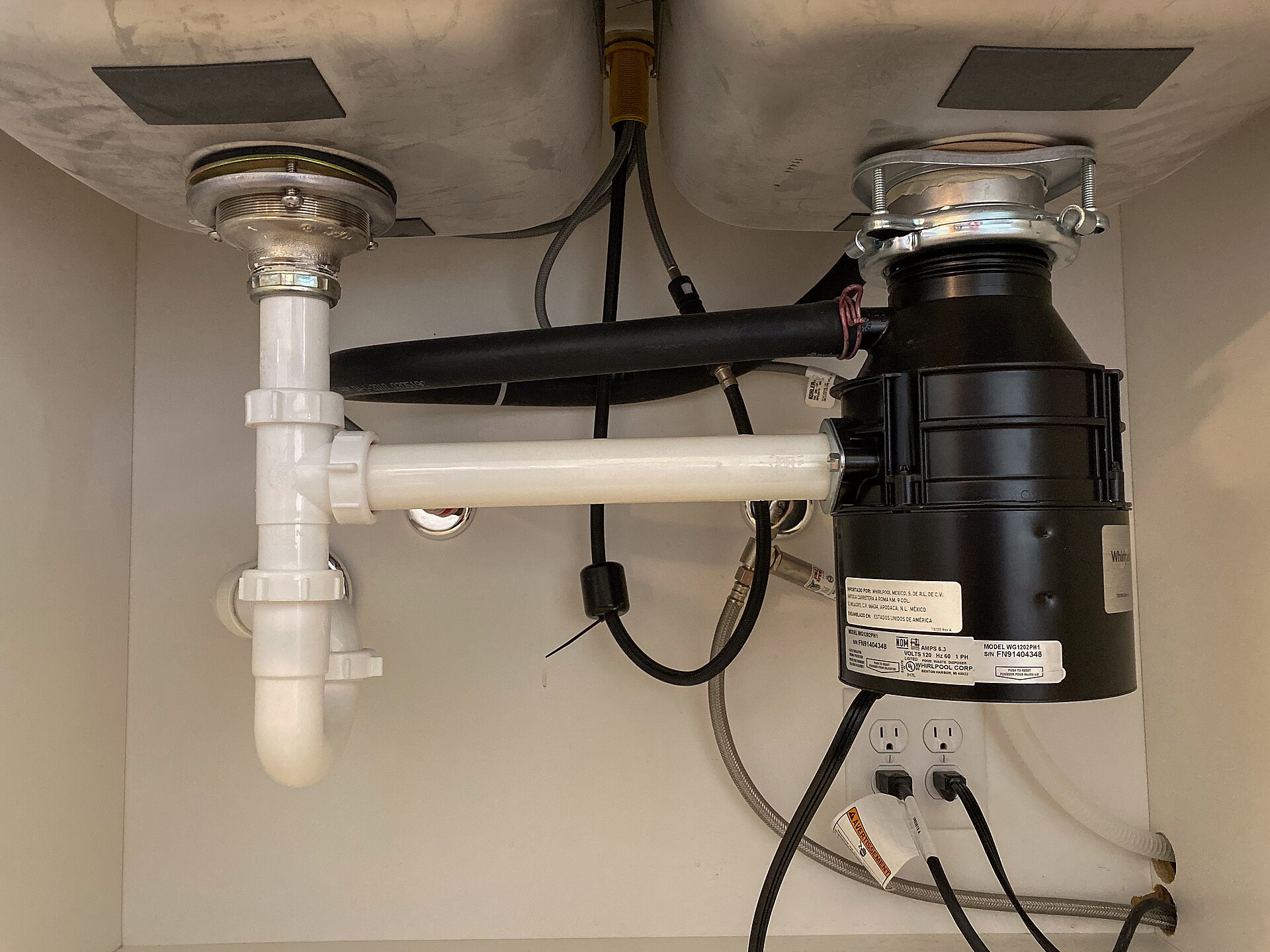
A garbage disposal that hums but will not spin is almost always jammed. Free the flywheel with a hex wrench, press reset, and know when to c
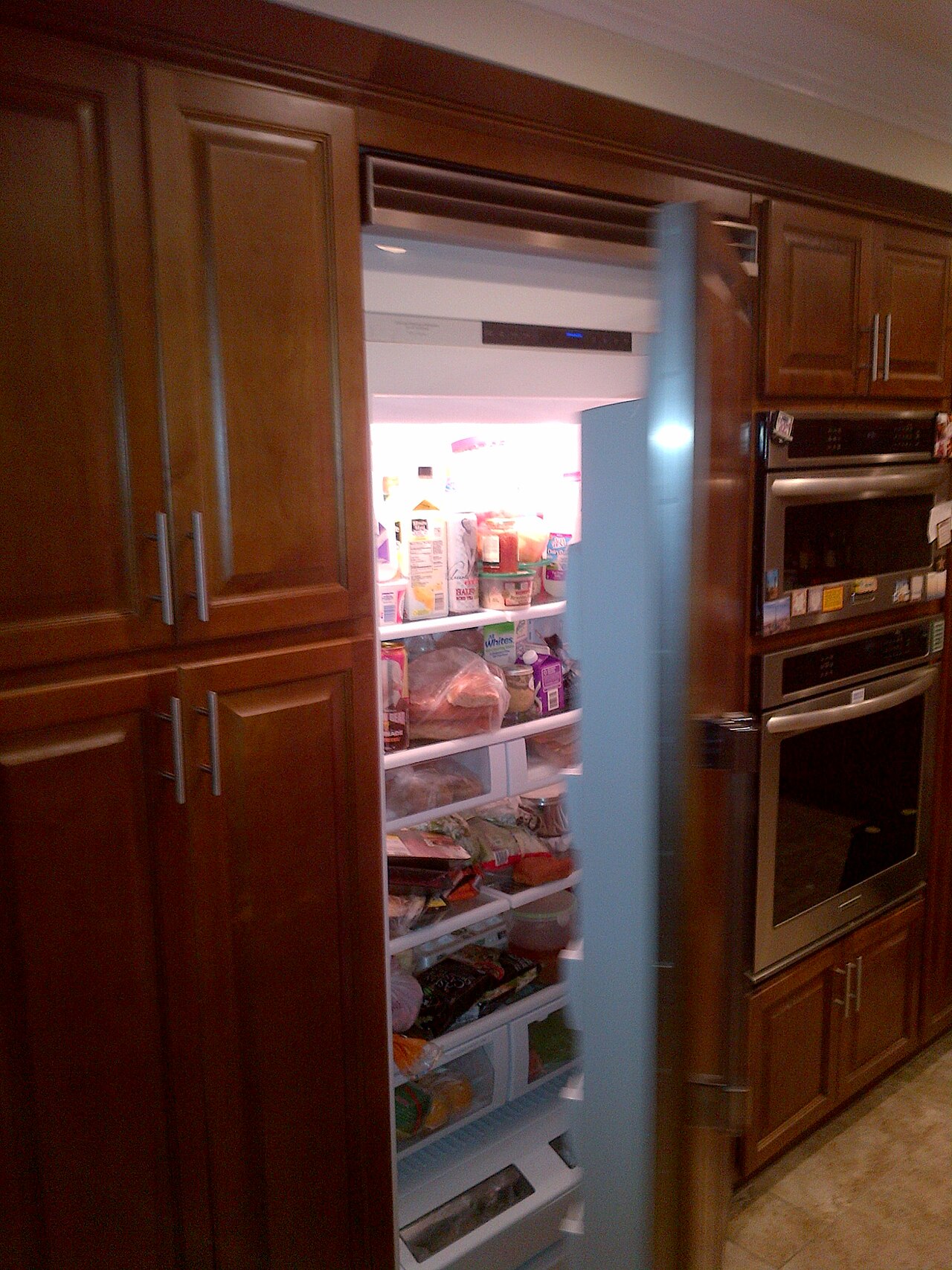
A fridge that never cycles off usually has dirty condenser coils, a weak door gasket, or a faulty thermostat. Here are six causes ranked, wi
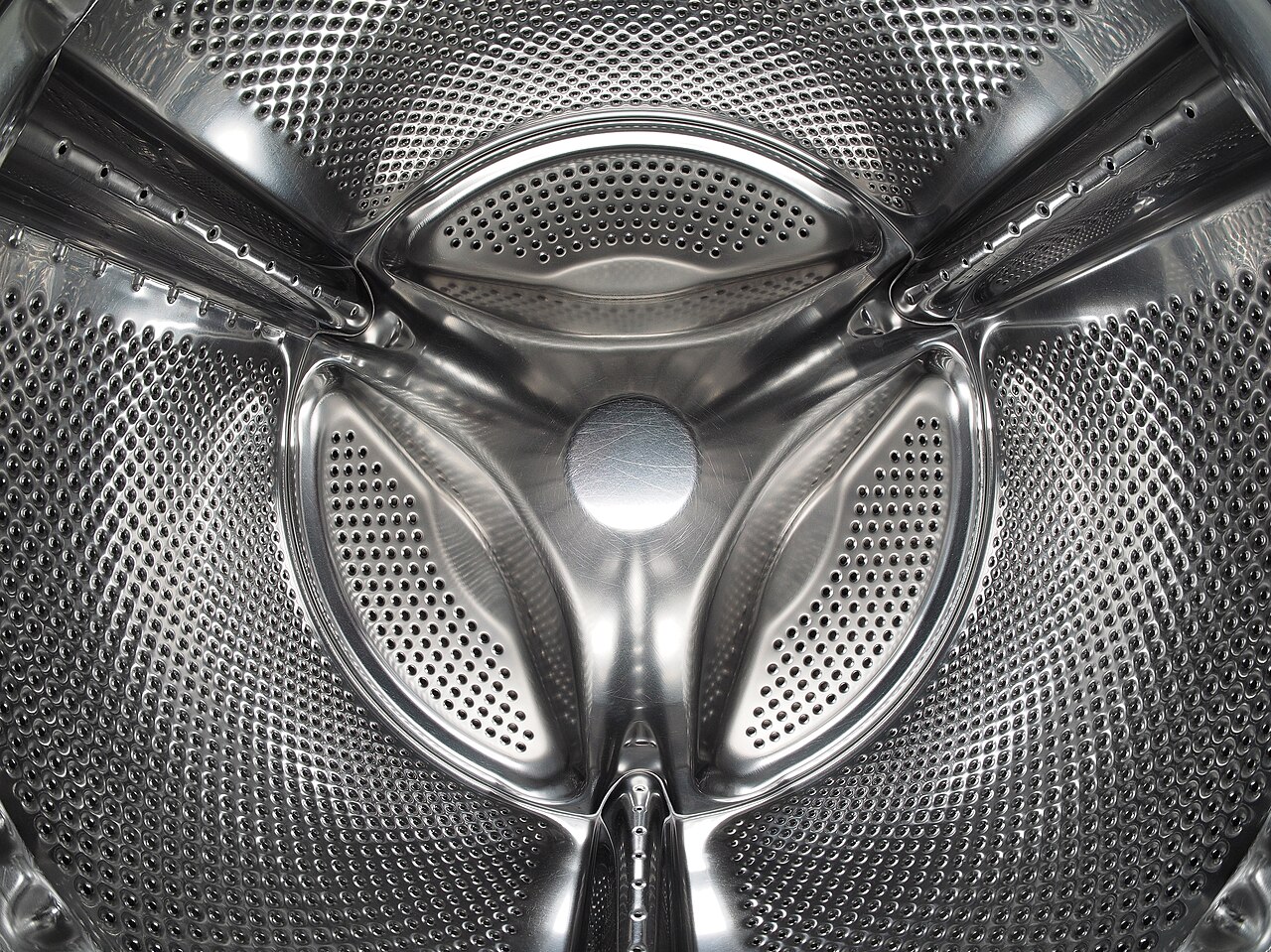
A shaking washer usually means an unbalanced load, unlevel feet, or leftover shipping bolts. Experts rank the causes and share the fixes to
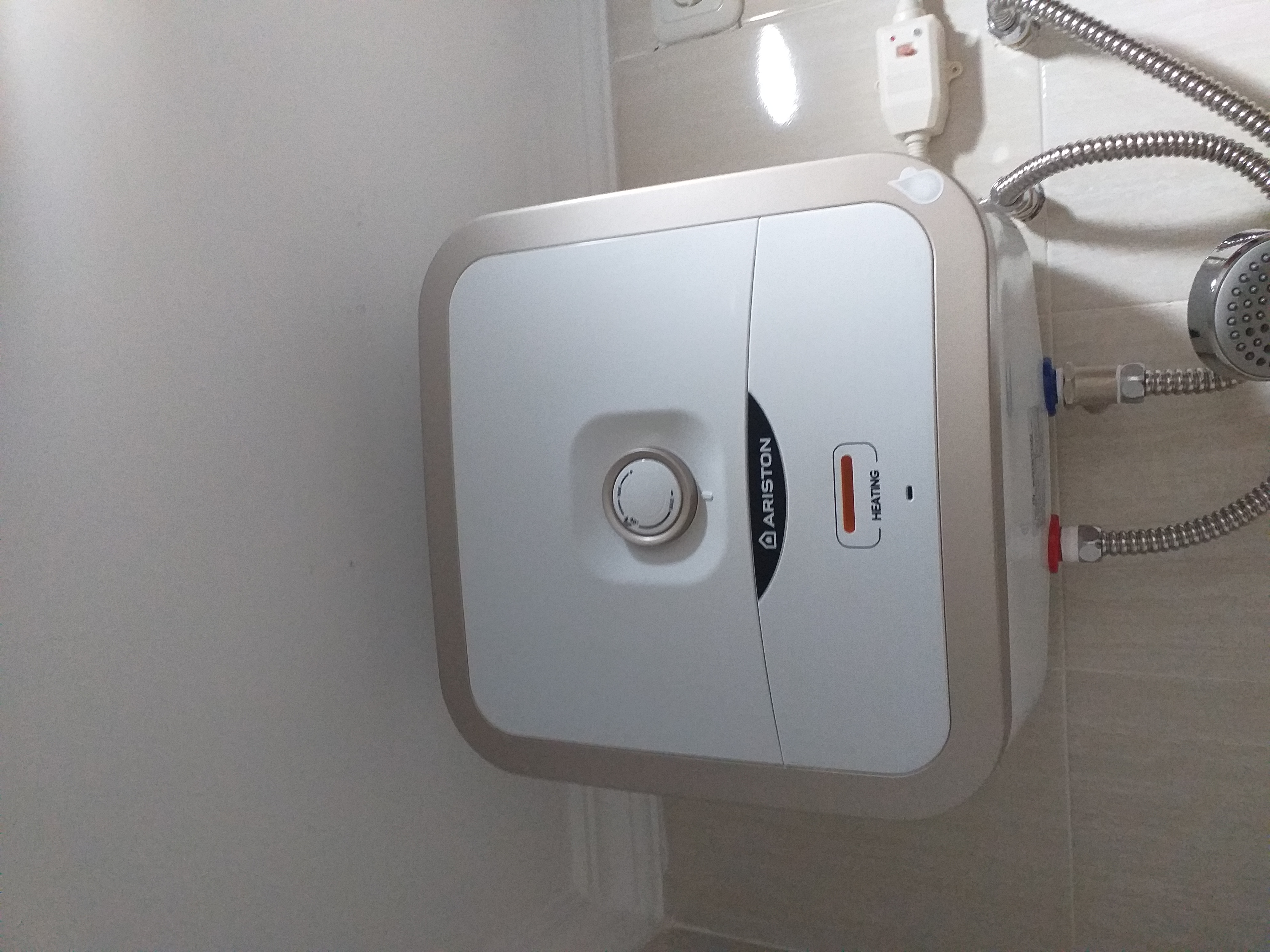
Sediment is the top reason a water heater pops or knocks. Here is what each sound means, why minerals harden inside the tank, and how a flus
Black grout is mold, soap scum, and mineral film packed into porous lines. Learn three cleaning methods, which products to skip, and how to
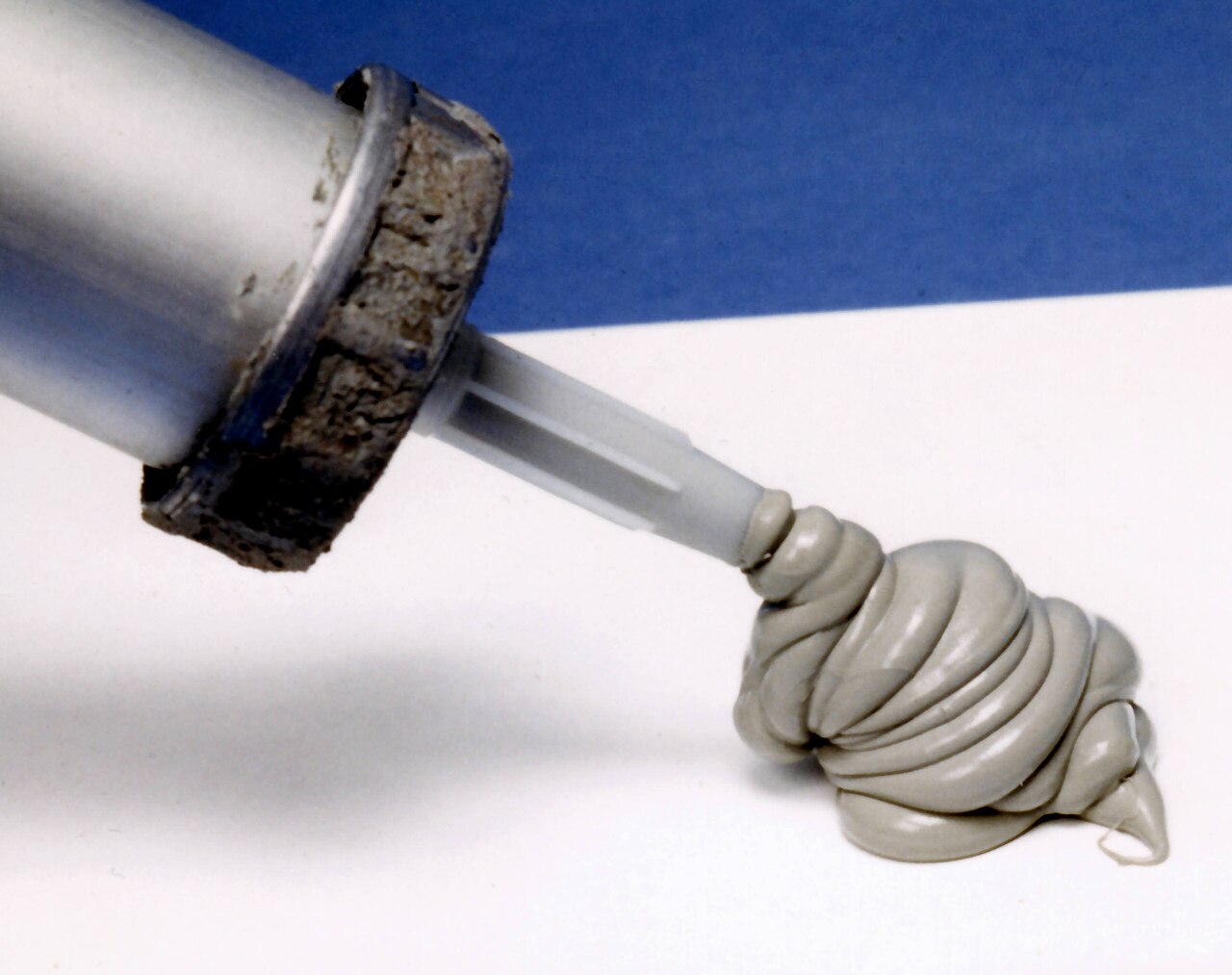
Caulk is rigid and paintable; sealant is flexible and waterproof. Learn composition differences, the under-one-inch rule, and which to buy f
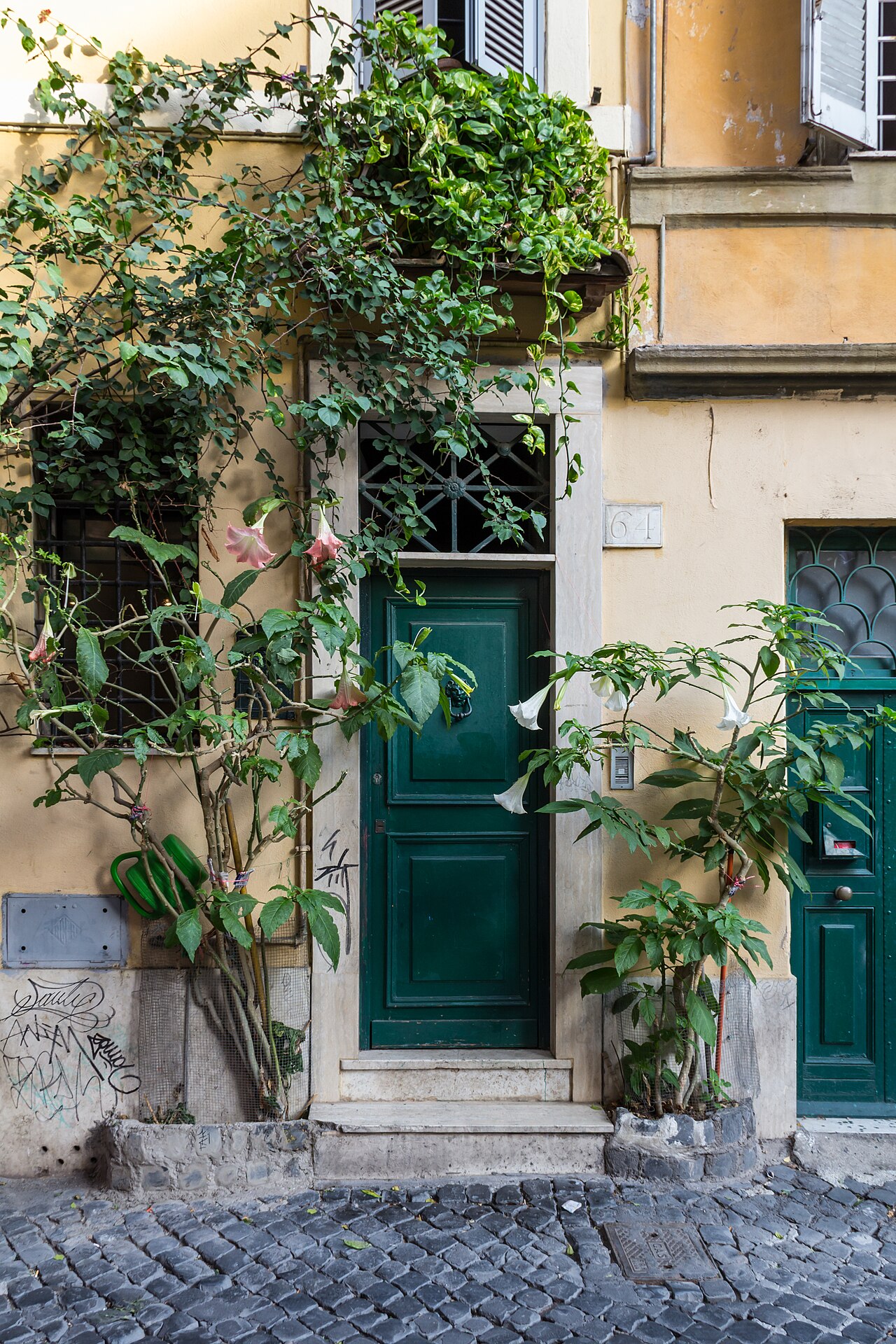
A door sweep, weatherstripping, and draft stoppers can seal the gap under a door for under $10. Here are 7 cheap fixes, typical costs, and i

Water left in an outdoor faucet can freeze and burst the pipe inside the wall. Follow seven steps to drain, shut off, and insulate hose bibs
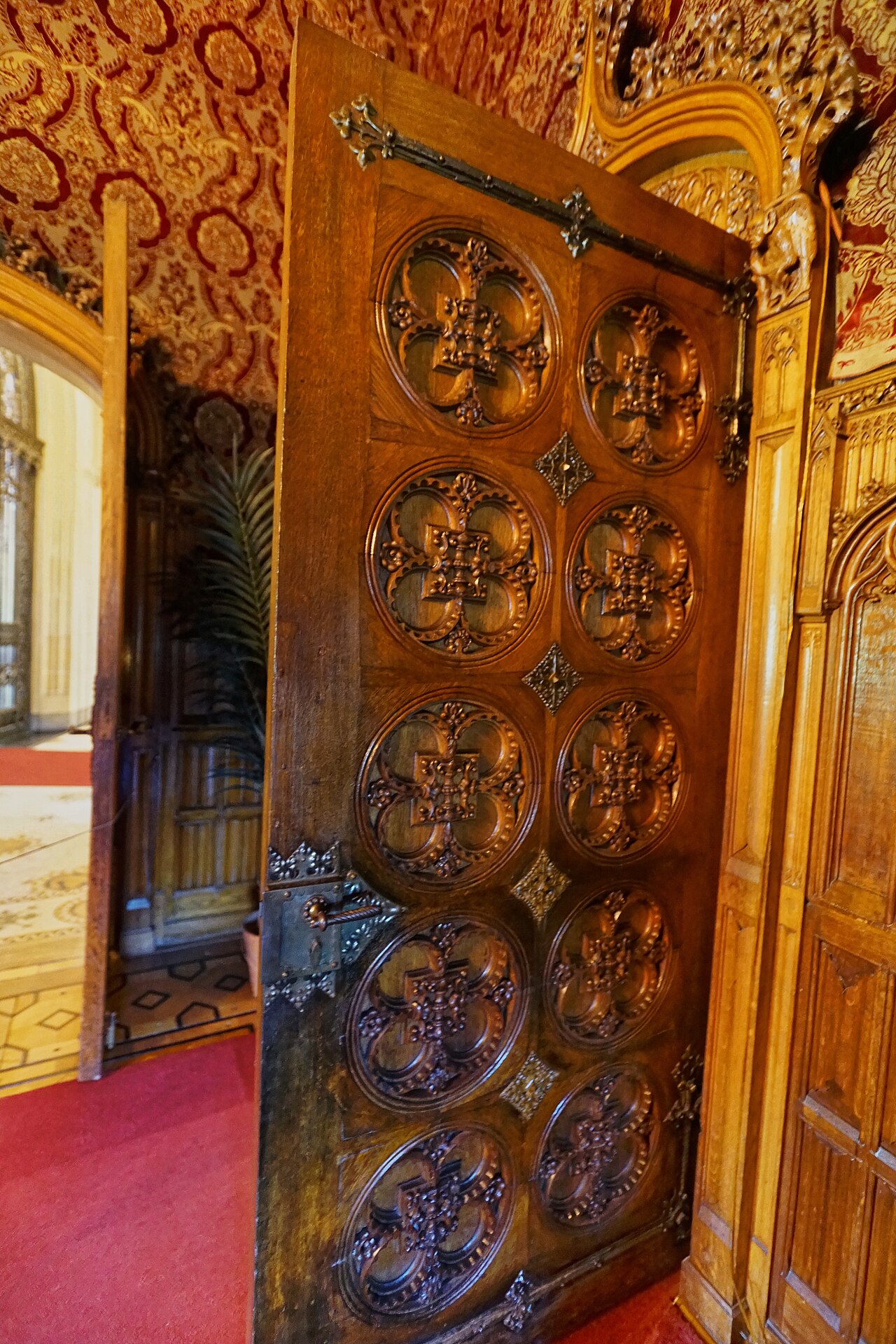
Humid summer air swells wooden doors by up to an eighth of an inch, making them rub. Learn the causes, the safest fixes, and how to stop sea
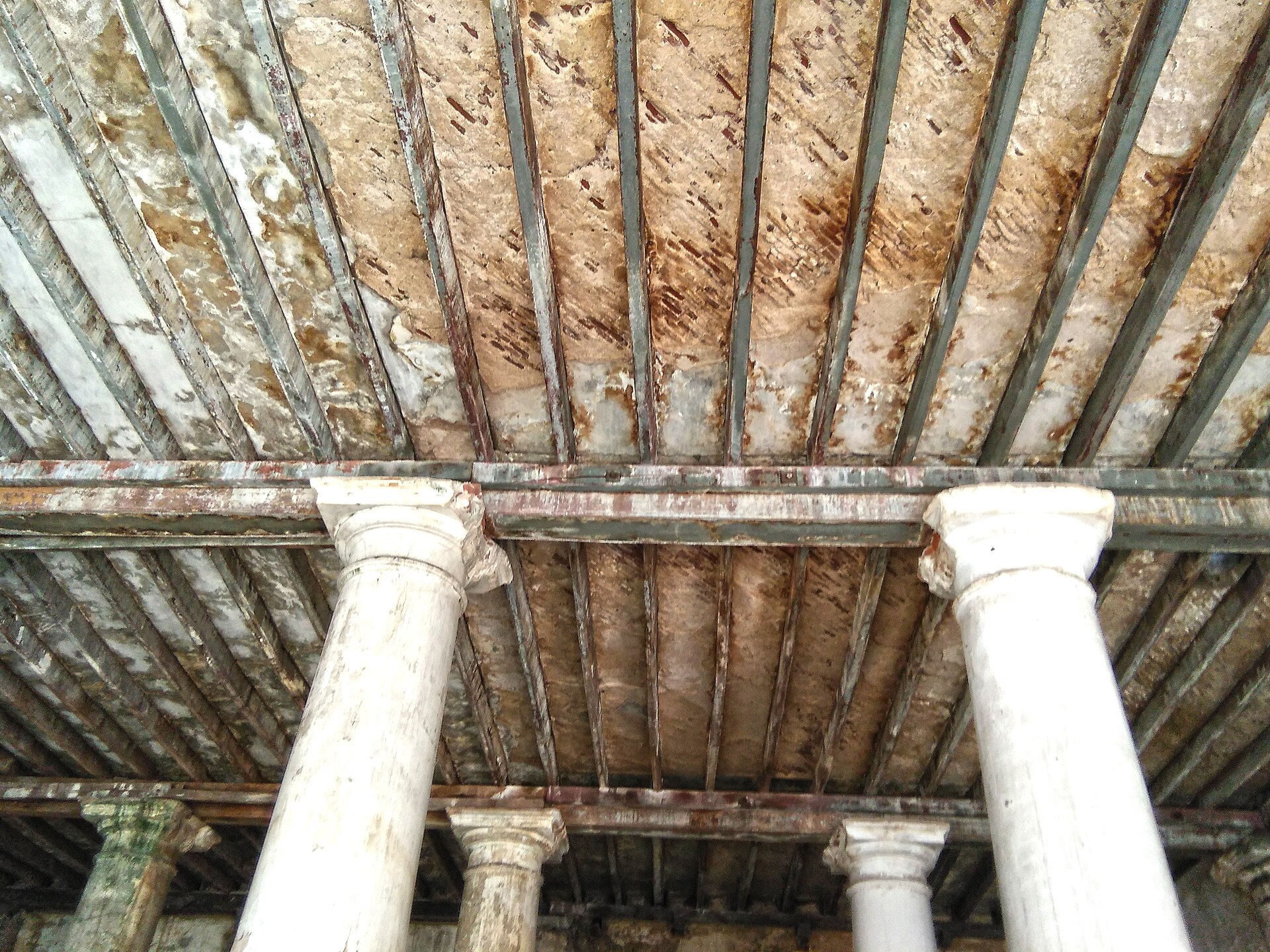
Efflorescence is the white, powdery salt deposit left when water moves through basement walls. Learn what causes it, how to tell it from mol
Hardwood floors creak when boards rub against each other or the subfloor. Discover the causes and proven fixes, from talcum powder to breaka
Lower indoor humidity without a dehumidifier using ventilation, exhaust fans, and passive absorbers. Keep rooms at 30-50% RH and stop mold b
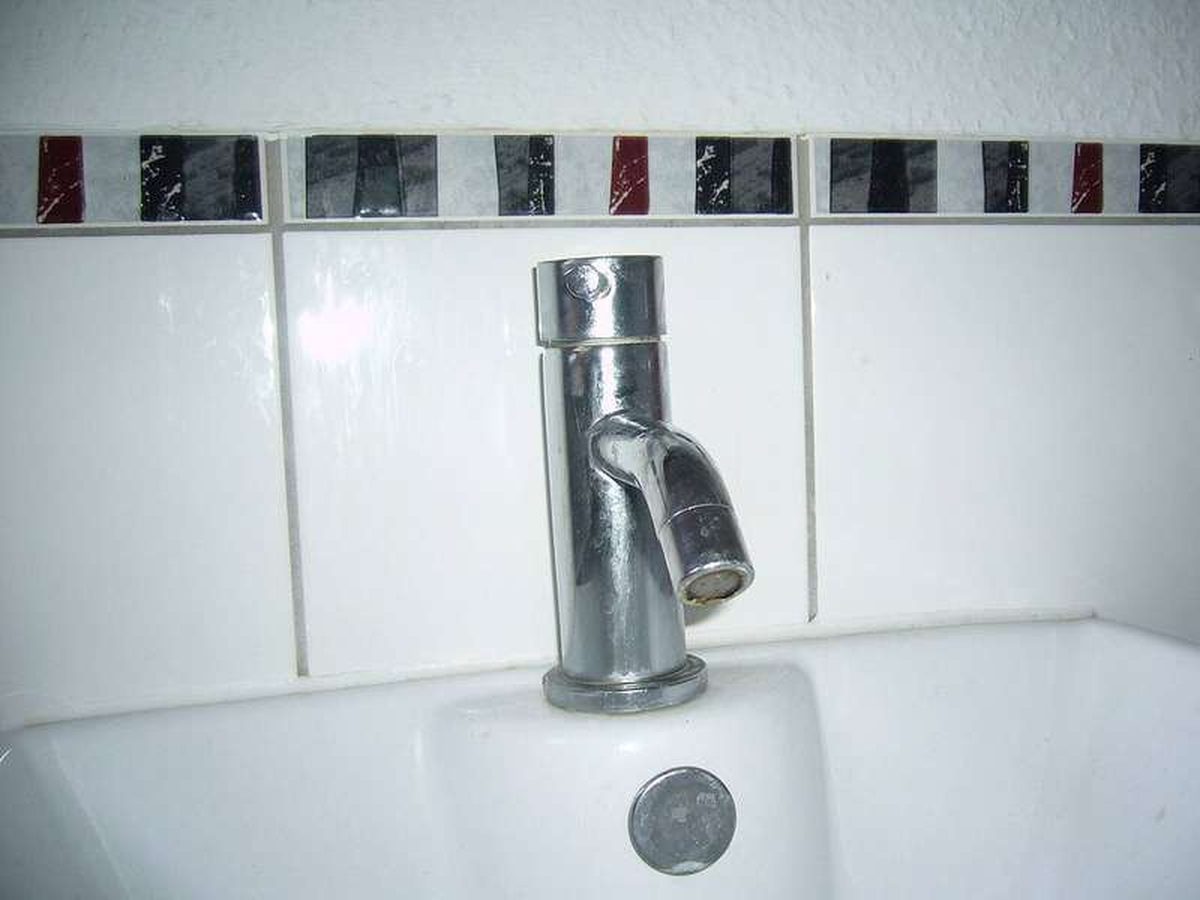
A dripping faucet is usually a worn washer, O-ring, or cartridge that can no longer seal. One drip per second wastes over 3,000 gallons a ye
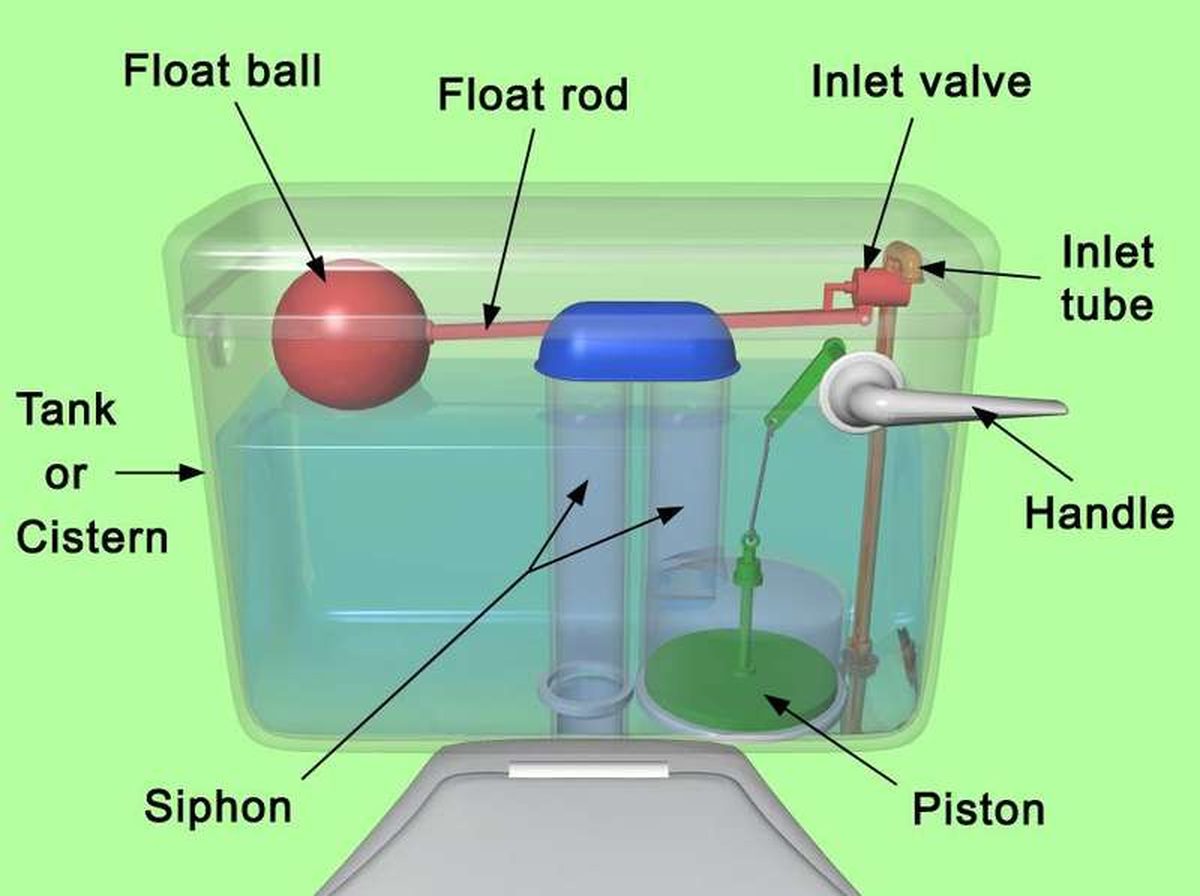
A running toilet can waste 200 gallons of water a day. Diagnose the flapper, float, or fill valve in two minutes, then fix it yourself with
Studs first, toggle bolts second, plastic anchors never for heavy loads. Weight ratings, installation steps, and mistakes that bring shelves
Houseplants release water vapor through transpiration, and studies show offices with plants measure higher humidity. Here is how much, and t
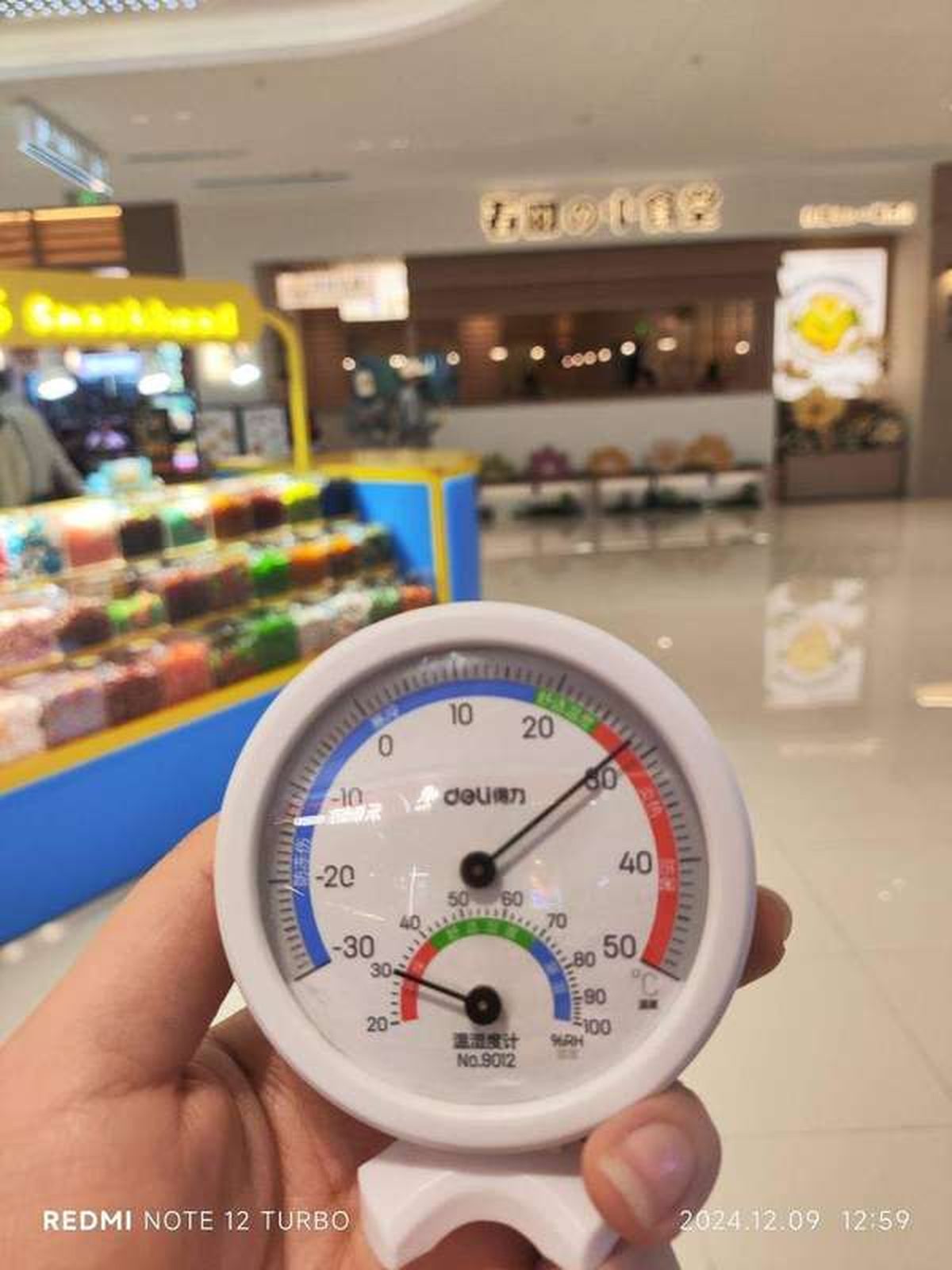
Keep indoor humidity below 60%, ideally 30 to 50%, per EPA guidance. Dry air cracks wood and irritates airways; damp air feeds mold and mite
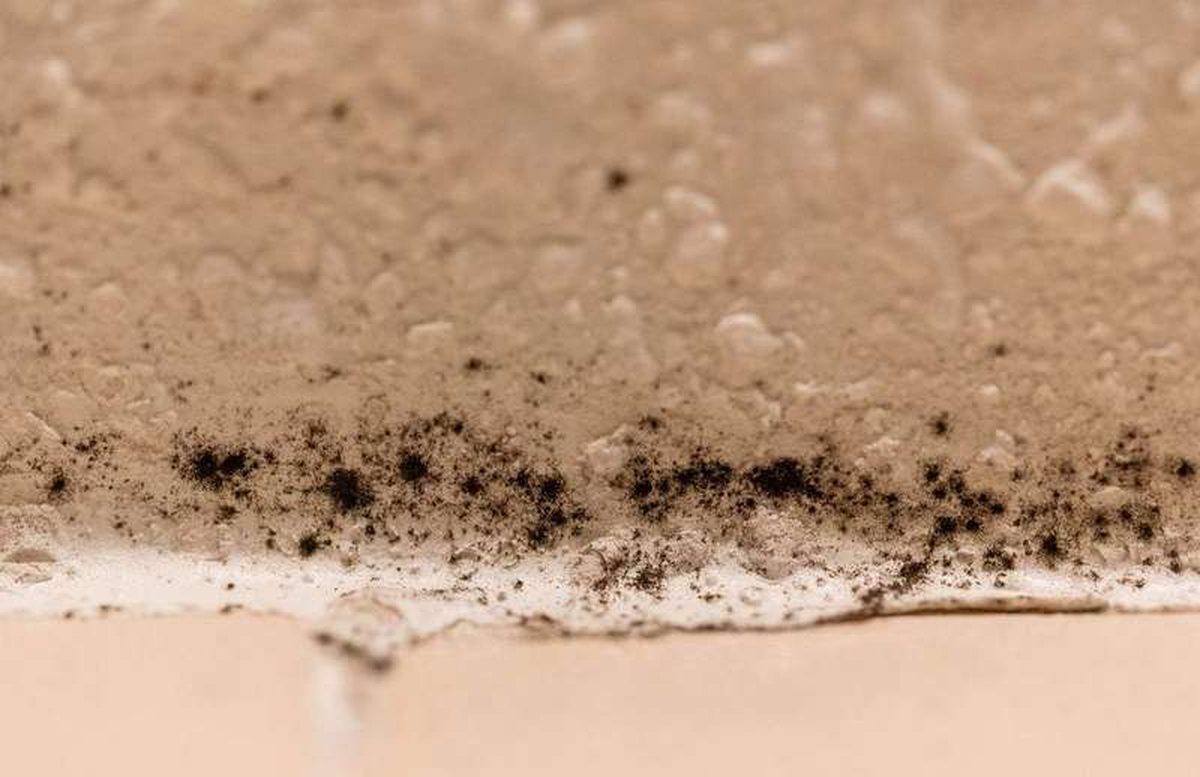
No exhaust fan? Renters can still stop bathroom mold with steam venting, surface drying, and humidity control. Here is the full renter-frien
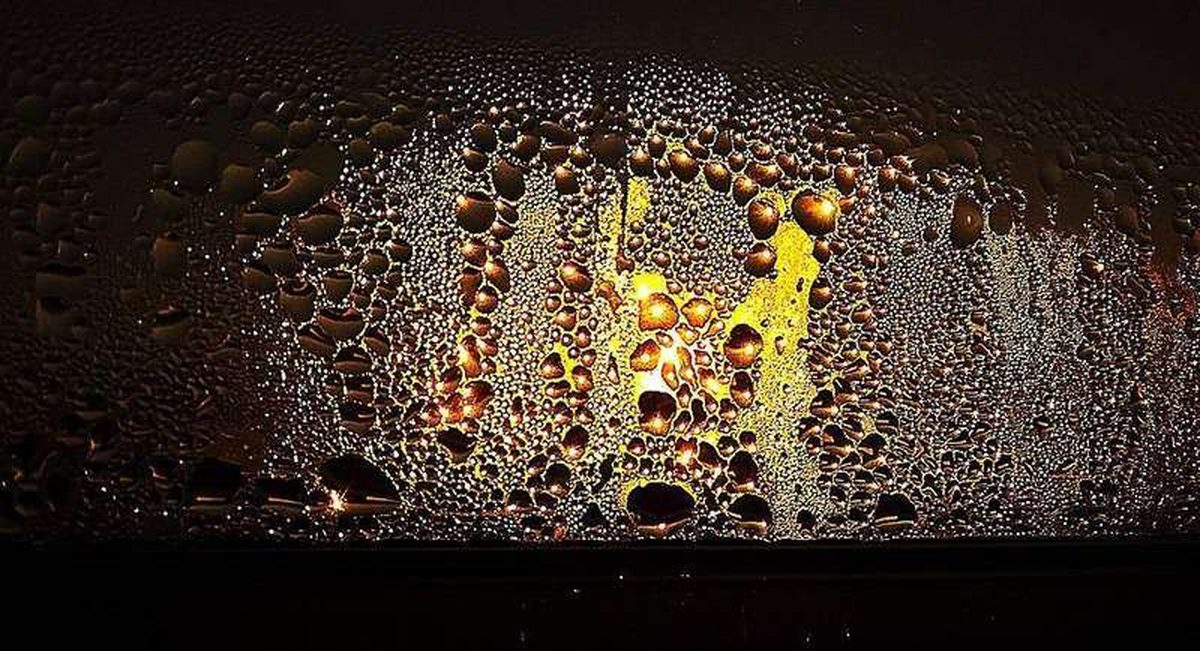
8 ways to reduce humidity without a dehumidifier, from cross-ventilation to cooler showers, plus how to keep indoor air in the EPA's ideal 3
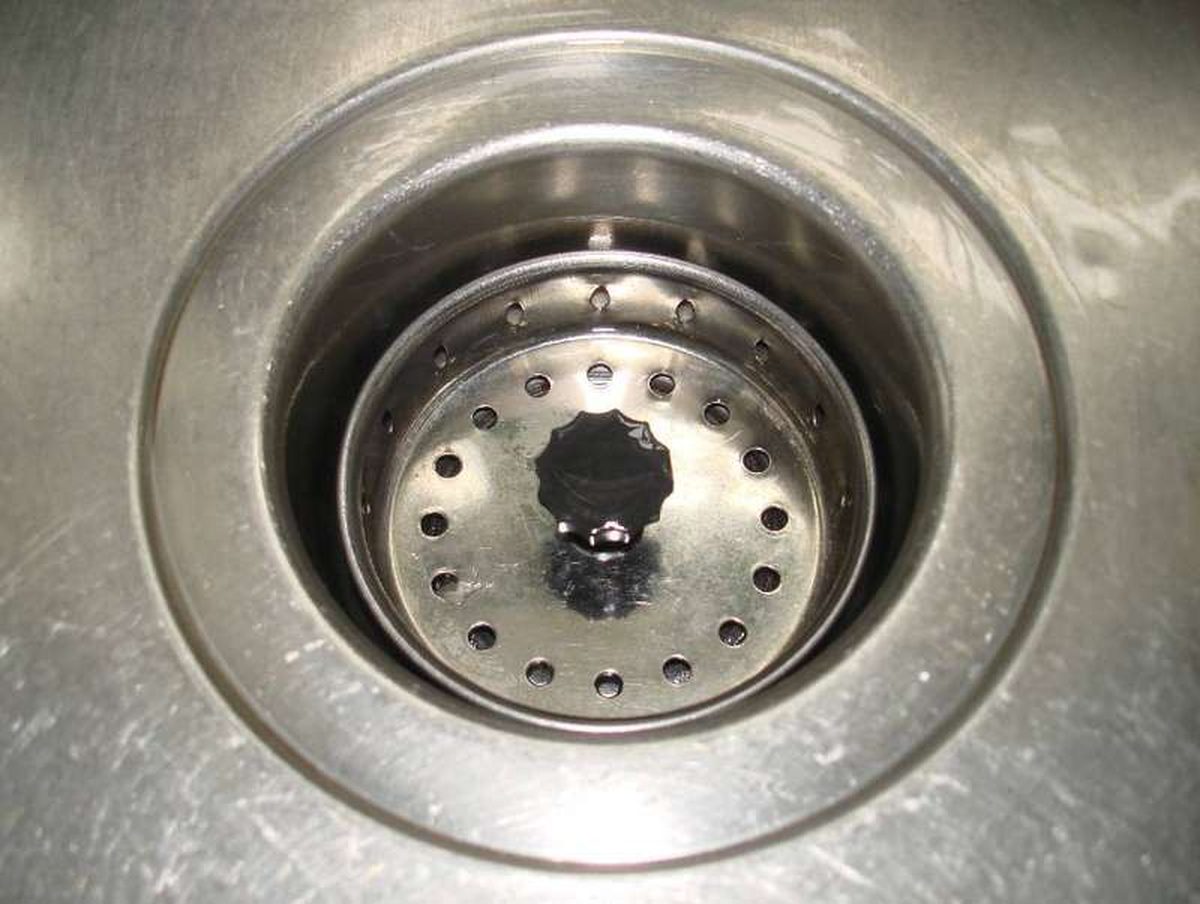
A plunger, a drain snake, and hot water clear most clogs without chemicals. Five methods in the right order to try, plus when to call a plum

Condensation forms when indoor air hits glass colder than its dew point. At 70°F and 40% humidity, the dew point is 45°F, so cold panes star